What is Whitening Toothpaste
Whitening toothpaste is a popular choice for people looking to brighten their smiles. Unlike regular toothpaste, it’s designed to do more than just clean your teeth. Whitening toothpastes often contain special ingredients that help remove surface stains, giving your teeth a whiter appearance. These products are readily available at drugstores and supermarkets, making them an accessible option for improving your smile. They can be a convenient and affordable way to boost your confidence and achieve a brighter smile. However, it’s important to understand how these toothpastes work and what their limitations are.
How Whitening Toothpaste Works
Whitening toothpastes achieve their effects through a combination of methods. The primary mechanism involves removing surface stains caused by things like coffee, tea, and certain foods. They often contain mild abrasives that gently scrub the teeth’s surface, polishing away stains. Additionally, many whitening toothpastes include chemical agents that help break down stains, further enhancing their whitening capabilities. Understanding these mechanisms helps consumers make informed choices about their oral hygiene routine and manage their expectations regarding whitening results.
Types of Whitening Agents

Whitening toothpastes utilize various agents to lift stains and brighten teeth. The most common are mild abrasives, such as hydrated silica and calcium carbonate. These abrasives physically scrub the tooth surface, removing stains. Some toothpastes also incorporate chemical agents like hydrogen peroxide or carbamide peroxide, which penetrate the enamel to break down stains from within. Other ingredients may include special enzymes or baking soda, each contributing to the overall whitening effect. Choosing a toothpaste that aligns with your specific needs and preferences is essential for optimal results.
Abrasion and Whitening Toothpaste
Abrasives play a crucial role in whitening toothpastes. They act as gentle scrubbing agents, helping to remove surface stains. However, the abrasiveness of a toothpaste is a critical factor to consider. Excessive abrasion can potentially damage the enamel, leading to increased sensitivity and a higher risk of cavities. When choosing a whitening toothpaste, it’s essential to look for products with a low Relative Dentin Abrasivity (RDA) score. This score indicates the abrasiveness of the toothpaste and helps you select a product that effectively whitens without harming your teeth. It’s advisable to consult your dentist for recommendations on toothpastes that suit your individual oral health needs.
Does Whitening Toothpaste Damage Enamel
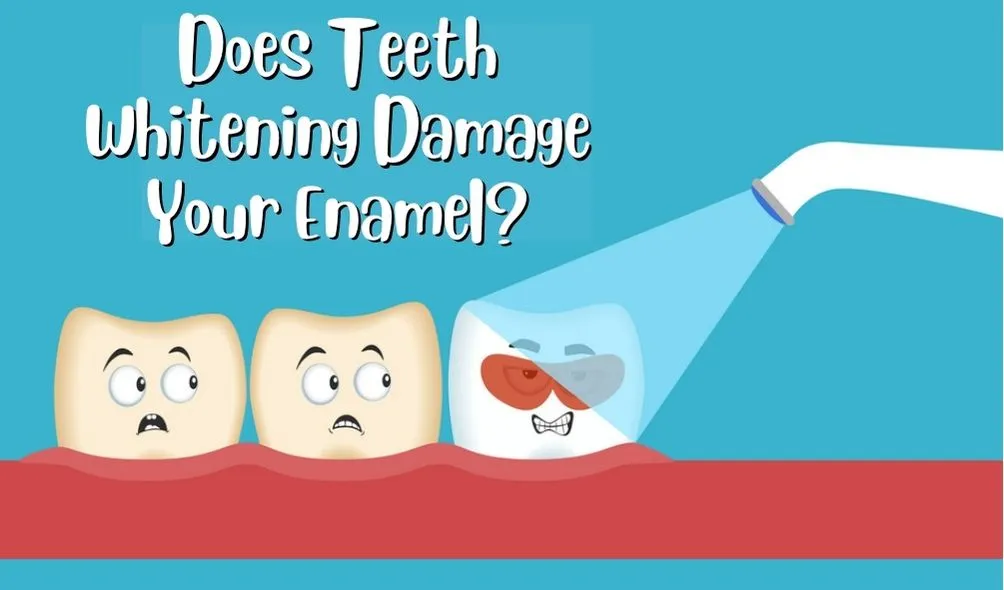
The potential for whitening toothpaste to damage enamel is a common concern. While many whitening toothpastes are designed to be safe for everyday use, some factors can increase the risk of enamel erosion. The abrasiveness of the toothpaste is a critical consideration, as overly abrasive products can wear down the enamel over time. Additionally, the frequency of use and brushing technique also play a role. Using excessive force or brushing too often can contribute to enamel damage. It is essential to choose a toothpaste with a low RDA score and to brush gently to minimize any potential risks. Regular dental check-ups can help monitor the health of your enamel and detect any signs of damage early.
The Role of Abrasives

Abrasives in whitening toothpaste work by physically removing surface stains. While effective at brightening teeth, the abrasives can also pose a risk to enamel. Repeated use of highly abrasive toothpastes can gradually wear away the enamel, making teeth more susceptible to sensitivity and decay. It is crucial to understand the RDA rating of a toothpaste. Look for products with a lower RDA score to reduce the risk of enamel damage. It’s equally important to use proper brushing techniques, avoiding excessive force and brushing in a circular motion, to minimize abrasive effects. Regular dental check-ups can also help monitor enamel health and detect early signs of damage.
The Impact of Peroxide
Peroxide-based whitening agents can also affect enamel. These agents penetrate the enamel to break down stains, but they can also potentially weaken the enamel structure over time. This is because peroxide can dehydrate the enamel, making it more porous and susceptible to damage. The concentration of peroxide and the frequency of use are critical factors in determining the extent of enamel damage. It’s advisable to use whitening toothpastes containing peroxide as directed and to consult your dentist for guidance. They can assess your specific oral health needs and recommend appropriate products and usage guidelines to minimize any potential risks. Always follow the instructions on the product label and do not overuse whitening toothpaste to avoid damaging your enamel.
Sensitivity and Whitening Toothpaste
Tooth sensitivity is a common side effect of using whitening toothpaste. The active ingredients in whitening toothpastes, such as peroxides, can irritate the tooth’s nerves, leading to increased sensitivity to hot, cold, or sweet foods and drinks. The abrasives can also contribute to sensitivity by wearing away the enamel, exposing the underlying dentin. If you experience sensitivity, you can take several steps to manage it. Using a toothpaste designed for sensitive teeth can help soothe the nerves and reduce discomfort. Avoiding overly hot or cold foods and drinks can also minimize sensitivity. Consulting your dentist is advisable for further guidance. They may suggest using a fluoride treatment to strengthen enamel or recommend alternative whitening methods to suit your needs.
Alternatives to Whitening Toothpaste

If you’re concerned about the potential risks of whitening toothpaste, several alternatives can help you achieve a brighter smile. These options include professional whitening treatments, at-home whitening kits, and lifestyle changes. Professional treatments offer more potent whitening agents and are administered under the supervision of a dental professional, ensuring the safety and effectiveness of the procedure. At-home whitening kits provide a convenient and often more affordable alternative, but they should be used with caution, following the instructions carefully. Lifestyle changes, such as reducing your consumption of stain-causing foods and beverages and maintaining good oral hygiene, can also contribute to a brighter smile and overall oral health. Consulting your dentist can help you determine the best approach for your needs and preferences.
Professional Whitening Treatments
Professional teeth whitening treatments, offered by dentists, provide the most effective and safest way to whiten your teeth. These treatments typically involve higher concentrations of whitening agents, such as hydrogen peroxide, which can produce dramatic results in a single visit or a series of appointments. Dentists take precautions to protect the gums and soft tissues during the process, minimizing the risk of sensitivity or irritation. They can also assess your overall oral health and recommend the most suitable whitening approach for your needs. Professional treatments are ideal for individuals seeking significant whitening improvements or those with stubborn stains. Although they may be more expensive than at-home options, professional whitening ensures both safety and optimal results. It’s a highly recommended option for those looking for a brighter, healthier smile.
At-Home Whitening Options
At-home whitening options offer a convenient alternative for teeth whitening. These options include whitening strips, trays, and toothpastes. Whitening strips are thin, flexible strips coated with a whitening agent that you apply directly to your teeth. Whitening trays are custom-fitted or pre-made trays that hold a whitening gel against your teeth. Whitening toothpastes contain mild abrasives or chemical agents to remove surface stains. While at-home options are generally less potent than professional treatments, they can be a cost-effective way to improve your smile. However, it is important to follow the instructions on the product and consult your dentist before use, especially if you have existing dental work or sensitivity issues. Be sure to choose products from reputable brands and be patient, as results may take longer to appear compared to professional whitening.
Preventing Enamel Damage

Preventing enamel damage is a crucial aspect of maintaining good oral health. Enamel, the hard outer layer of your teeth, protects them from decay and sensitivity. You can take several steps to preserve your enamel and keep your smile healthy. Choosing the right toothpaste is essential; select one with a low RDA score and fluoride. Proper brushing techniques involve brushing gently in a circular motion with a soft-bristled toothbrush to avoid excessive abrasion. Regular dental check-ups are also vital, as your dentist can identify any early signs of enamel erosion and provide preventive treatments. By following these practices, you can protect your enamel and keep your teeth healthy and strong for years to come.
Choosing the Right Toothpaste
Selecting the right toothpaste is an essential part of maintaining oral health. When choosing a toothpaste, consider several factors. Look for a toothpaste with a low RDA score, which indicates its abrasiveness. A lower score means the toothpaste is less likely to damage your enamel. Choose a toothpaste with fluoride, as it helps strengthen enamel and protect against cavities. Pay attention to any sensitivity you may have, and opt for a toothpaste specifically designed for sensitive teeth. If you are using a whitening toothpaste, make sure it has a low RDA and follow the instructions carefully. Consulting your dentist is an excellent way to get personalized recommendations for toothpaste that suits your specific needs and oral health conditions.
Proper Brushing Techniques
Proper brushing techniques are essential to protect your enamel and maintain healthy teeth. Brush gently, using a soft-bristled toothbrush to avoid excessive abrasion. Use a circular or short back-and-forth motion, covering all surfaces of your teeth. Spend at least two minutes brushing, ensuring you reach every tooth. Avoid brushing too hard or applying too much pressure, as this can wear down the enamel. Replace your toothbrush every three months or sooner if the bristles become frayed. When brushing, be sure to angle your toothbrush toward the gumline to clean along the gum line. Additionally, consider using an electric toothbrush, as many have pressure sensors to help you brush with the correct amount of force, promoting effective and gentle cleaning.
Regular Dental Check-ups

Regular dental check-ups play a vital role in preventing enamel damage and maintaining optimal oral health. During a check-up, your dentist can assess the condition of your enamel, identify any early signs of erosion, and provide appropriate treatments. Professional cleaning can remove plaque and tartar buildup, which can contribute to enamel damage. Your dentist may also recommend fluoride treatments to strengthen your enamel and protect against cavities. They can also advise you on proper brushing techniques, toothpaste selection, and any lifestyle changes that may benefit your oral health. Visiting your dentist regularly is the most effective way to detect and address any dental issues early, ensuring your teeth remain healthy and strong for life.
Conclusion
Whitening toothpaste can be a valuable tool for enhancing your smile, but it’s essential to understand how it works and its potential effects on your enamel. While these toothpastes can effectively remove surface stains, it is crucial to use them responsibly. Choosing a toothpaste with a low RDA, practicing gentle brushing techniques, and considering alternatives such as professional whitening treatments can help you achieve a brighter smile while protecting your enamel. Regular dental check-ups provide the best way to monitor your oral health and ensure that your whitening efforts are safe and effective. By making informed choices and taking a proactive approach to your dental care, you can enjoy a healthy, radiant smile for years to come.