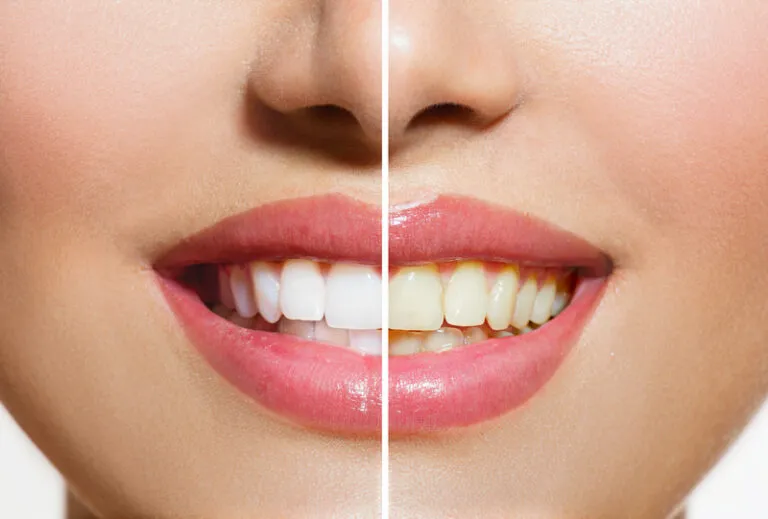
What is Whitening Toothpaste?
Whitening toothpaste is a type of toothpaste designed to remove stains and brighten the surface of your teeth. Unlike professional whitening treatments, which use stronger bleaching agents, whitening toothpastes typically contain milder ingredients that help to polish the teeth and remove surface stains. These toothpastes are readily available over-the-counter and are a popular choice for those looking to improve the appearance of their smile. The primary goal is to make your teeth look cleaner and brighter, improving your overall oral hygiene routine.
How Whitening Toothpaste Works
Whitening toothpaste works through a combination of chemical and physical actions. They primarily focus on removing stains from the tooth’s surface. These stains can come from various sources, including coffee, tea, red wine, and smoking. The effectiveness of a whitening toothpaste depends on its ingredients and the type of stains present. Regular use, combined with good brushing technique, can help to maintain a brighter smile over time. The physical action of brushing also helps to dislodge plaque and debris, further contributing to cleaner teeth.
The Active Ingredients in Whitening Toothpaste

Several key ingredients contribute to the whitening effect of these toothpastes. Understanding these ingredients is essential for making an informed choice. The combination of these ingredients works to both break down stains and gently remove them from the tooth’s surface. Always check the label to ensure the toothpaste suits your needs and any specific dental concerns you may have.
Hydrogen Peroxide
Hydrogen peroxide is a common ingredient in many whitening toothpastes. It acts as a mild bleaching agent, helping to lighten the color of the teeth. The concentration of hydrogen peroxide in over-the-counter toothpastes is generally lower than that used in professional whitening treatments, making it a gentler option for daily use. Hydrogen peroxide works by breaking down the stain molecules, effectively reducing their visibility and brightening the overall appearance of the teeth. The effectiveness of hydrogen peroxide can vary depending on the concentration and duration of exposure.
Baking Soda
Baking soda, or sodium bicarbonate, is a mild abrasive often included in whitening toothpastes. It helps to polish the teeth and remove surface stains. Baking soda works by gently scrubbing away the stains, leaving the teeth feeling smoother and looking brighter. While effective at removing stains, it’s crucial to use baking soda-based toothpaste cautiously to avoid excessive abrasion, which could potentially damage the enamel. The abrasive nature of baking soda can be beneficial but should be balanced with proper brushing technique and frequency.
Other Abrasives

In addition to baking soda, other mild abrasives like hydrated silica and calcium carbonate are used. These abrasives help to remove surface stains through physical action, polishing the teeth and making them appear brighter. The abrasives are finely ground to avoid causing significant damage to the enamel. The choice of abrasive and its concentration in the toothpaste are crucial for maintaining a balance between effective stain removal and protecting the tooth’s surface. Always check the label to understand what abrasives are in your toothpaste.
Can You Use Whitening Toothpaste Everyday?
Whether you can use whitening toothpaste daily depends on several factors, including the specific ingredients in the toothpaste and your overall oral health. While many whitening toothpastes are designed for daily use, it’s essential to consider potential side effects and consult with your dentist if you have any concerns. Regular, moderate use is generally acceptable for most people. Excessive use or using a highly abrasive whitening toothpaste can lead to unwanted side effects. The best approach is to follow the instructions on the toothpaste packaging and listen to your body for any signs of sensitivity or irritation.
Potential Side Effects of Daily Use
While whitening toothpaste can be effective, it is crucial to be aware of potential side effects, particularly with daily use. Being informed about these potential issues will help you make an informed choice about your oral hygiene routine. If you experience any of these side effects, it is essential to consult your dentist to determine the best course of action.
Sensitivity

Increased tooth sensitivity is a common side effect. The whitening agents can temporarily irritate the enamel. If you experience sensitivity, it is important to reduce the frequency of your use or switch to a toothpaste designed for sensitive teeth. Sensitivity typically occurs as a result of the ingredients working on the enamel. Over time, your teeth might adjust, but it’s best to monitor the situation. Consult your dentist for advice if the sensitivity persists or worsens.
Gum Irritation
Some people may experience gum irritation or inflammation with daily use of whitening toothpaste. This irritation can manifest as redness, swelling, or discomfort. If you notice these symptoms, reduce the frequency of your use and rinse your mouth thoroughly after brushing. The abrasives or whitening agents can sometimes cause mild irritation to the gums. Proper brushing technique and using a soft-bristled toothbrush can help minimize gum irritation. Consult with your dentist if gum irritation persists.
Enamel Erosion
Excessive or improper use of whitening toothpaste, particularly those with high abrasivity, can lead to enamel erosion. This erosion makes your teeth more susceptible to cavities and sensitivity. Enamel erosion is a gradual process, and it’s essential to practice good oral hygiene to avoid this effect. Always brush gently and avoid excessive force. Use a toothpaste that is appropriate for your teeth and gums. If you’re concerned about enamel erosion, talk to your dentist about alternatives.
Top 5 Facts About Whitening Toothpaste

Understanding the facts will help you manage your expectations and oral care. Here are some critical points to keep in mind when using whitening toothpaste. From understanding its limits to choosing the right product, knowing these facts can help you make informed decisions about your dental care.
Fact 1: Effectiveness Varies
The effectiveness of whitening toothpaste varies from person to person. The results depend on the type of stains, the frequency of use, and the ingredients in the toothpaste. Some people may see noticeable improvements, while others might experience minimal changes. Factors like diet and lifestyle also play a crucial role in how well the toothpaste works. If you have stubborn stains, you may need professional treatments for more effective whitening.
Fact 2: Not a Substitute for Professional Whitening
Whitening toothpaste is not a substitute for professional teeth whitening treatments. Professional treatments, such as those done by a dentist, use much stronger bleaching agents to deliver significant results quickly. Whitening toothpaste can provide a gradual brightening effect. If you’re looking for dramatic whitening, it’s best to consult your dentist for professional options. These treatments can be tailored to your specific needs and provide more lasting effects.
Fact 3: Consider Your Dental Health

Before using whitening toothpaste, consider your overall dental health. If you have any dental issues, like cavities, gum disease, or sensitive teeth, consult your dentist. Whitening toothpaste may not be suitable for everyone and could exacerbate existing problems. A dental professional can provide guidance on the best oral care routine for your specific needs. Regular dental check-ups are essential for maintaining oral health and ensuring the safe use of whitening products.
Fact 4: Read the Label Carefully
Always read the label and follow the instructions. Pay attention to the ingredients and any warnings. Some toothpastes are not suitable for children or people with certain health conditions. Knowing the ingredients, the recommended frequency of use, and any precautions is essential for safe and effective use. Check for certifications and any claims that the toothpaste makes to make sure it aligns with your expectations.
Fact 5: Consult Your Dentist
Consulting your dentist is always a good idea before starting to use whitening toothpaste regularly. Your dentist can assess your dental health and advise on the best products. They can provide recommendations based on your individual needs and oral health conditions. Dentists can also offer professional whitening treatments if needed. They can ensure you achieve the best possible results while maintaining good oral hygiene.
Best Practices for Using Whitening Toothpaste

Following best practices will help you maximize the benefits and minimize the risks. The proper use of whitening toothpaste ensures that you get the best results and protects your dental health. These practices include choosing the right toothpaste, brushing correctly, and using it at the recommended frequency.
Choosing the Right Whitening Toothpaste
Select a whitening toothpaste that suits your needs. Consider factors like sensitivity, the presence of other dental conditions, and your budget. Look for toothpastes that have been clinically proven to be effective. Check the ingredients list and choose products with a lower abrasive rating if you have concerns about enamel erosion. Your dentist can recommend specific brands and formulations based on your oral health.
Proper Brushing Technique
Use a soft-bristled toothbrush and brush your teeth gently. Avoid using excessive force, which can damage your enamel and gums. Brush in a circular motion, covering all surfaces of your teeth. Proper technique includes brushing for at least two minutes, twice a day. Ensure that you reach every tooth and that you brush along the gum line. Following these techniques will optimize the effectiveness of whitening toothpaste while maintaining good oral health.
Frequency of Use

Follow the directions on the toothpaste packaging. Some toothpastes are designed for daily use, while others are recommended for use a few times a week. If you experience any sensitivity or irritation, reduce the frequency of your use. You can alternate between a whitening toothpaste and a regular toothpaste to manage potential side effects. Adjust the frequency based on your oral health and your dentist’s recommendations.
Alternatives to Daily Whitening Toothpaste
If you are concerned about the potential side effects, explore other alternatives to achieve a brighter smile. These alternatives can help to maintain your oral health. Consider these options to achieve a brighter smile.
- Professional Teeth Whitening In-office treatments or take-home kits provided by your dentist can offer more dramatic and effective whitening results.
- Whitening Strips Whitening strips are an over-the-counter option that contains a lower concentration of peroxide. They provide a more targeted whitening effect.
- Whitening Mouthwash Using whitening mouthwash can help to maintain the effects of whitening treatments and further improve your oral hygiene. Use as directed.
- Dietary Adjustments Reducing your intake of staining foods and beverages, such as coffee, tea, and red wine, can help to keep your teeth bright.
- Regular Dental Cleanings Professional cleanings from your dentist will help to remove surface stains and maintain your oral health.
In conclusion, whitening toothpaste can be an effective way to brighten your smile, but it’s essential to use it responsibly. By understanding how it works, being aware of potential side effects, and following best practices, you can enjoy the benefits while protecting your oral health. Always consult with your dentist to determine the best approach for your needs.