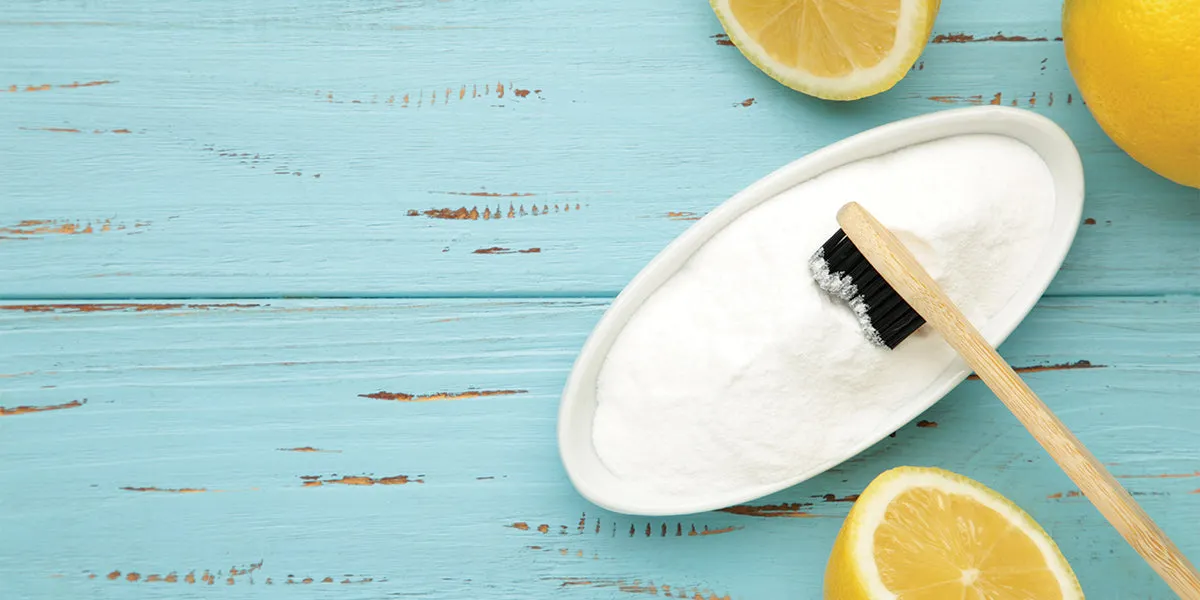
Achieving a brighter, whiter smile is a common goal, and thankfully, there are numerous ways to accomplish this naturally. Among these, baking soda has emerged as a popular and accessible method. This article explores seven effective natural methods for whitening your teeth, with a focus on the science behind baking soda and its practical applications. From understanding the fundamentals of teeth whitening to mastering the techniques and safeguarding your dental health, this guide offers a comprehensive approach to achieving that coveted radiant smile. Whether you’re looking for simple, at-home solutions or considering more extensive methods, this information will help you make informed decisions about your oral care routine.
Understanding Teeth Whitening and Baking Soda
Teeth whitening works by removing stains and discoloration from the enamel surface. These stains can be caused by various factors, including the consumption of coffee, tea, red wine, and tobacco. Over time, these substances can seep into the porous enamel, leading to a yellow or brownish tint. Baking soda, also known as sodium bicarbonate, is a mild abrasive that can help scrub away these surface stains. It’s a common household ingredient valued for its cleaning and polishing properties. In the context of teeth whitening, baking soda’s abrasive nature helps to gently remove stains without damaging the enamel when used correctly. Furthermore, it can help neutralize acids in the mouth, contributing to a healthier oral environment.
The Science Behind Baking Soda’s Whitening Power
Baking soda’s effectiveness in teeth whitening stems from its unique properties. It is a mild abrasive, meaning it helps to physically remove surface stains from the teeth. This abrasive action is gentle enough not to damage the enamel when used in moderation, but it effectively scrubs away the build-up of stain-causing substances. Additionally, baking soda is slightly alkaline. This characteristic helps to neutralize the acids that can erode enamel and contribute to tooth discoloration. By creating a less acidic environment in the mouth, baking soda can promote a healthier environment for your teeth. The small, irregular particles of baking soda provide a gentle polishing effect, contributing to the removal of staining compounds without the use of harsh chemicals.
Why Does Baking Soda Work

Baking soda works through a combination of mechanical and chemical actions. The primary reason is its mild abrasive quality, which aids in physically removing stains. This action is similar to the way a polishing compound works on a car’s paint. Stains from coffee, tea, and other foods adhere to the tooth’s surface, and the abrasive action of baking soda helps dislodge them. Moreover, baking soda has a mild whitening effect as it interacts with the stain molecules. While not a bleaching agent like hydrogen peroxide, it can help break down and lift away stain particles, leading to a brighter appearance. The slightly alkaline nature also plays a role by creating an environment less conducive to stain formation. Therefore, baking soda’s effectiveness arises from its ability to remove stains and promote a healthier oral environment.
Proven Baking Soda Methods for Whitening
Many people successfully use baking soda for teeth whitening through several methods. These methods typically involve combining baking soda with other ingredients to enhance its effectiveness and palatability. It’s important to use these methods cautiously and in moderation to avoid any potential damage to the enamel. Common methods include mixing baking soda with water to form a paste, combining it with hydrogen peroxide, or incorporating it into homemade toothpaste formulations. The key to success lies in consistent, careful application and monitoring of the teeth’s condition. Always consult with a dental professional if you have concerns about the effects of baking soda on your teeth.
Baking Soda Method 1 Mixing with Water
This is the simplest method. Create a paste by mixing baking soda with water. The consistency should be thick enough to adhere to your toothbrush but not overly abrasive. Use this paste to brush your teeth gently for about two minutes, focusing on the stained areas. Rinse thoroughly with water after brushing. This method utilizes baking soda’s abrasive qualities to lift surface stains. Be sure not to brush too vigorously, as excessive pressure can damage enamel. This method is best used a few times a week to achieve the desired results without causing harm.
Baking Soda Method 2 With Hydrogen Peroxide

Combining baking soda with hydrogen peroxide can boost its whitening effect. Hydrogen peroxide is a mild bleaching agent that can help break down stains. Mix a small amount of baking soda with hydrogen peroxide to form a paste. Brush your teeth with this mixture for about two minutes, using gentle circular motions. Rinse thoroughly with water. This method combines the abrasive action of baking soda with the bleaching properties of hydrogen peroxide, enhancing its stain-removing power. Ensure to use a low concentration of hydrogen peroxide (usually 3%) to avoid potential sensitivity or enamel damage.
Baking Soda Method 3 With Coconut Oil
Coconut oil is known for its potential oral health benefits. Combining baking soda with coconut oil creates a gentle and effective whitening paste. Mix a teaspoon of coconut oil with a small amount of baking soda to form a paste. Brush your teeth with this paste for about two minutes. Rinse your mouth thoroughly with water. This method uses coconut oil’s antimicrobial properties along with baking soda’s abrasive action. Coconut oil can also help to reduce inflammation and promote overall oral health. This is a gentler approach, suitable for those with sensitive teeth.
Baking Soda Method 4 Mixing with Lemon Juice
Lemon juice, known for its bleaching properties, can be combined with baking soda for teeth whitening. Mix a small amount of lemon juice with baking soda to form a paste. Apply the paste to your teeth, and leave it on for a minute or less. Rinse thoroughly with water. This method utilizes lemon juice’s citric acid to enhance stain removal, but it’s crucial to use this method sparingly. The high acidity of lemon juice can erode enamel if used excessively. Limit its use to once a week or less and consult with a dentist if you notice any sensitivity.
Baking Soda Method 5 Using Baking Soda Toothpaste

Many toothpaste brands incorporate baking soda as an active ingredient. Using these toothpastes provides a convenient and safe method for teeth whitening. Brush your teeth as you normally would with the baking soda toothpaste. These products are formulated to balance the effectiveness of baking soda with the protection of enamel. Regular use can help maintain the brightness of your teeth without the risk of homemade remedies. Look for toothpaste that clearly states baking soda on the label and follow the instructions provided by the manufacturer for best results.
Other Natural Teeth Whitening Methods
Besides baking soda, other natural methods can contribute to teeth whitening. These methods often work by reducing staining or promoting a healthy oral environment. Integrating a variety of techniques can provide a comprehensive approach to teeth whitening while minimizing the potential risks associated with any single method. It is important to note that while natural methods can be effective, the results may not be as dramatic as those achieved with professional treatments. However, they offer a gentle, cost-effective alternative for maintaining a brighter smile.
Oil Pulling for Teeth Whitening
Oil pulling is an ancient practice that involves swishing oil in your mouth to remove bacteria and toxins. Coconut oil is a popular choice due to its antibacterial properties. Swish one tablespoon of coconut oil in your mouth for 15–20 minutes, then spit it out and rinse. Oil pulling helps to reduce plaque and bacteria that contribute to tooth discoloration. While it may not provide immediate whitening, regular oil pulling can improve overall oral health and contribute to a brighter smile. Its benefits extend beyond whitening, including the potential reduction of bad breath and the improvement of gum health.
Using Activated Charcoal for Whitening

Activated charcoal is a fine, black powder made from various sources, such as coconut shells. It is known for its ability to absorb toxins and stains. Brush your teeth with activated charcoal for about two minutes. Rinse thoroughly. Activated charcoal acts as a mild abrasive, helping to remove surface stains. However, be cautious, as excessive use may wear down enamel. It’s advisable to use activated charcoal sparingly and consult a dentist to ensure it’s suitable for your teeth. Choose a high-quality product that is specifically designed for dental use and follow the instructions carefully.
Maintaining and Protecting Your White Smile
Maintaining a bright smile involves more than just whitening your teeth; it requires a holistic approach to oral hygiene. Consistent care, including brushing, flossing, and regular dental check-ups, are crucial. Protective measures, like using a straw to drink staining beverages, also play a significant role. This section explores the importance of proper oral hygiene, dietary choices, and other strategies to maintain a radiant smile. By incorporating these practices, you can prolong the effects of whitening treatments and prevent future discoloration.
Foods to Avoid for a Brighter Smile
Certain foods and drinks are notorious for staining teeth. Minimizing the consumption of these items is essential for maintaining a white smile. Coffee, tea, red wine, and dark sodas contain pigments that can easily stain the enamel. Berries, soy sauce, and tomato-based sauces also contribute to staining. By limiting your intake of these foods, you can reduce the build-up of stains. Incorporating lighter-colored options, like herbal teas and clear sodas, can help to reduce the risk. Remember to rinse your mouth with water after consuming staining foods and drinks to minimize their impact.
Tips for Oral Hygiene

Good oral hygiene is fundamental to a bright and healthy smile. Brush your teeth twice a day with fluoride toothpaste for two minutes each time. Floss daily to remove food particles and plaque from between your teeth and along the gum line. Using mouthwash can help to kill bacteria and freshen your breath. Regular dental check-ups and professional cleanings are also essential. These preventive measures help to remove plaque and tartar and identify any potential dental issues early on. By following these tips, you can maintain optimal oral health and enhance the effectiveness of whitening treatments.
Potential Risks and Considerations
While natural teeth whitening methods can be effective, it’s essential to be aware of potential risks and limitations. Overuse of abrasive substances like baking soda can erode enamel, leading to increased sensitivity and potential dental problems. Methods using acidic ingredients, such as lemon juice, can also cause enamel erosion. Always use these methods in moderation and follow recommended guidelines. People with sensitive teeth or existing dental issues should consult their dentist before trying any whitening treatments. Regular dental check-ups help to monitor the health of your teeth and ensure the methods you choose are safe and effective.
Consulting Your Dentist
Before attempting any teeth whitening method, it is always wise to consult your dentist. They can assess the overall health of your teeth and gums and recommend the best approach for your specific needs. Your dentist can also identify any underlying dental issues, such as cavities or gum disease, which may require treatment before whitening. They can provide professional advice on the safety and effectiveness of various methods, including the use of baking soda and other natural remedies. Regular dental check-ups and professional cleanings are also vital in maintaining a bright and healthy smile. Your dentist is your best resource for achieving and maintaining a healthy, radiant smile.
In conclusion, natural teeth whitening methods, including baking soda, offer accessible and affordable options for achieving a brighter smile. By understanding the science, methods, and potential risks, you can make informed decisions about your oral care. Always practice moderation, prioritize proper oral hygiene, and consult with a dentist for personalized advice. A healthy, radiant smile is within reach with the right knowledge and care.