The Power of Baking Soda & Toothpaste for Whiter Teeth
Achieving a brighter, more confident smile is a common goal, and many people turn to affordable and readily available solutions like baking soda and toothpaste. The combination of these two ingredients has gained popularity as a potential teeth-whitening method. However, understanding how they work and using them correctly is crucial to maximize benefits and minimize any potential risks. This guide delves into the science behind this technique, provides step-by-step instructions, and offers valuable insights into achieving a radiant smile.
Understanding the Science Behind Whitening
The effectiveness of baking soda and toothpaste for teeth whitening lies in their respective properties and how they interact. While neither can fundamentally change the color of your teeth the way professional treatments can, they can help remove surface stains and polish the enamel, leading to a brighter appearance. This process primarily targets extrinsic stains, which are those that accumulate on the surface of the teeth due to factors like diet, smoking, and certain beverages. Understanding the mechanisms at play is the first step towards informed usage.
How Baking Soda Works on Teeth

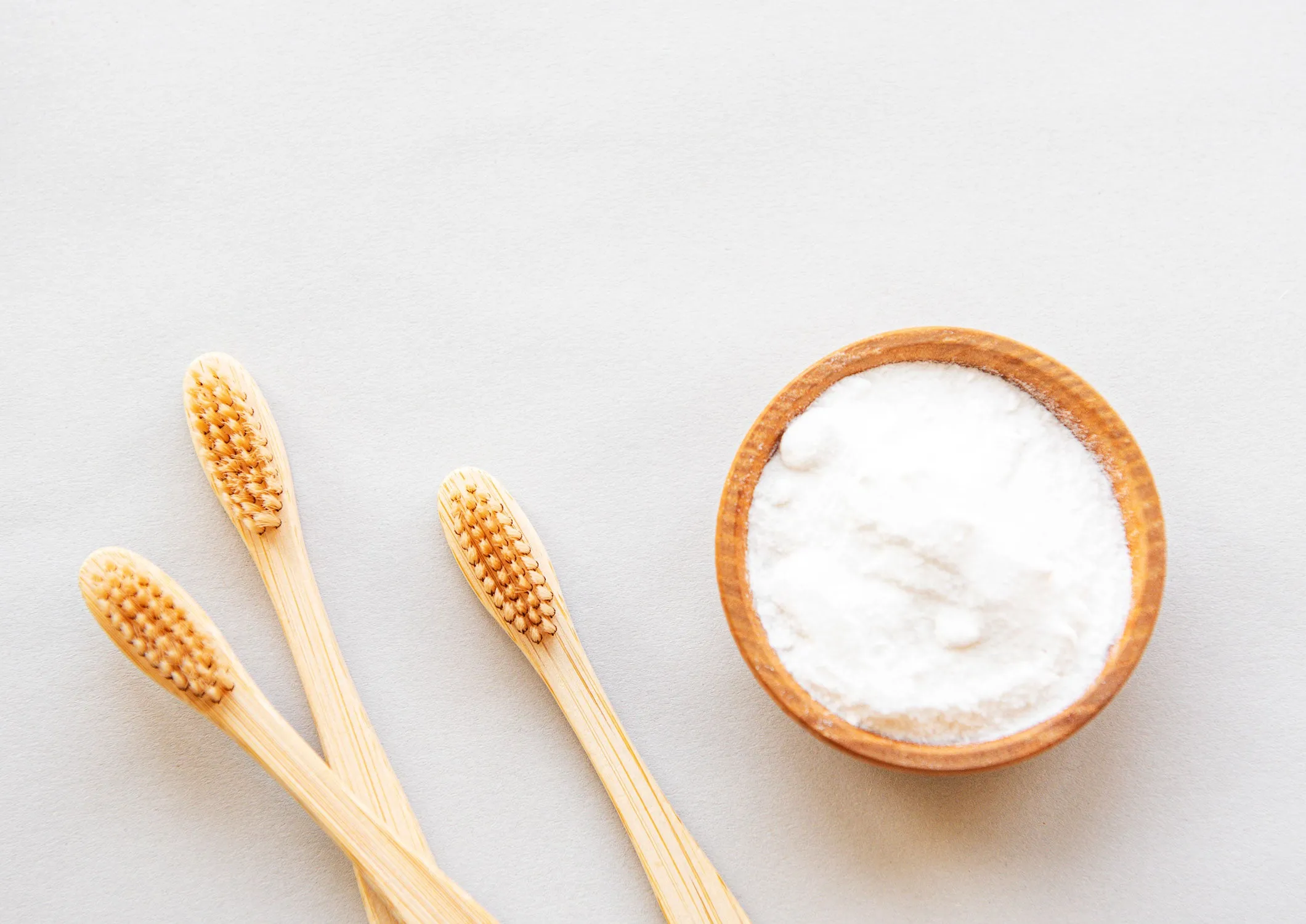
Baking soda (sodium bicarbonate) acts as a gentle abrasive. Its slightly coarse texture helps to scrub away surface stains caused by food, drinks (like coffee and tea), and tobacco. This abrasive action effectively polishes the teeth, removing the buildup that dulls the enamel and reveals the underlying whiteness. Moreover, baking soda has mild alkaline properties, which can help neutralize acids in the mouth. These acids, produced by bacteria, contribute to enamel erosion and can make teeth more susceptible to staining. The alkaline nature of baking soda helps to maintain a balanced oral environment.
The Role of Toothpaste in the Process
Toothpaste, when combined with baking soda, enhances the cleaning and whitening process. Toothpaste contains detergents that help to lift stains and plaque from the teeth. It also contains fluoride, which strengthens enamel and helps prevent cavities. Furthermore, toothpaste provides a pleasant taste and can freshen breath, making the teeth-whitening experience more enjoyable. The combination creates a more comprehensive approach to oral hygiene, combining the abrasive action of baking soda with the cleaning and protective properties of toothpaste. Remember to select a toothpaste that is suitable for your needs.
Choosing the Right Baking Soda & Toothpaste
Not all baking soda and toothpaste products are created equal when it comes to teeth whitening. Making informed choices is important to achieve the best results while minimizing any potential harm to your teeth and gums. Consider these factors when selecting the products that will be part of your routine. Taking the time to make an informed decision can significantly impact the effectiveness and safety of your whitening efforts.
Selecting the Best Baking Soda

When choosing baking soda for teeth whitening, opt for food-grade baking soda. This type is free from additives and impurities, making it safer for use in your mouth. Avoid industrial-grade baking soda, as it may contain substances that are not suitable for consumption or oral use. Ensure the baking soda is fresh and stored in a dry place to maintain its effectiveness. The purity of the baking soda directly influences the safety and efficacy of the whitening process.
Types of Toothpaste to Consider
For whitening purposes, select a toothpaste that contains mild abrasives. Look for terms like “whitening” or “stain removal” on the label. These toothpastes often include ingredients like silica or hydrated silica. Avoid toothpastes with excessive abrasives, as they can potentially damage the enamel. Consider toothpastes that also contain fluoride to strengthen your teeth and protect against cavities. If you have sensitive teeth, choose a toothpaste specifically formulated for sensitive teeth to minimize discomfort.
Ingredients to Look for and Avoid
When choosing toothpaste, look for key ingredients that enhance whitening. Consider toothpastes with hydrogen peroxide or other gentle bleaching agents for added whitening power. Avoid toothpastes with harsh abrasives, such as some types of silica, as they can erode the enamel. Be mindful of ingredients that may cause sensitivity, such as high levels of certain detergents or flavoring agents. Reviewing the ingredient list ensures the toothpaste aligns with your teeth-whitening goals while also promoting overall oral health.
Step-by-Step Guide How to Whiten Teeth

Using baking soda and toothpaste to whiten your teeth is a straightforward process. Following these steps will ensure you get the best results while minimizing any risks. A consistent and proper technique will significantly contribute to your efforts to achieve a brighter smile.
Mixing Baking Soda and Toothpaste
Combine a small amount of baking soda with your regular toothpaste. A good starting ratio is a pea-sized amount of toothpaste and a pinch of baking soda. Mix the two ingredients gently until you get a consistent paste. Avoid using too much baking soda to prevent excessive abrasion. The goal is to create a balanced mixture that enhances the cleaning and polishing effects without causing harm to your teeth and gums. Proper mixing ensures even distribution of both components.
Application Techniques
Apply the mixture to your toothbrush and brush your teeth gently, using a circular motion. Be careful not to apply excessive pressure, as this can damage your enamel and irritate your gums. Focus on the front surfaces of your teeth where stains are most visible, ensuring you reach all areas. Brushing gently for about two minutes is sufficient. Rinse your mouth thoroughly with water after brushing to remove any residual paste. Proper brushing technique is critical for effective stain removal and preventing any damage to your teeth.
Brushing Time & Frequency

It is recommended to use the baking soda and toothpaste mixture no more than once or twice a week. Overusing it can lead to enamel erosion and increased sensitivity. On other days, use regular toothpaste to maintain your oral hygiene routine. Maintain consistency with your brushing schedule, brushing twice daily for two minutes each time. Regular brushing helps to remove plaque and bacteria and supports the whitening process. Adjust the frequency based on your teeth’s sensitivity and how they respond to the treatment.
Tips for Effective Whitening
To maximize the benefits of this teeth-whitening method, consider these additional tips. Combining these practices with your regular oral hygiene routine will help achieve a noticeably brighter smile. Implementing these strategies will enhance the results and protect your teeth.
Consistency is Key
Whitening teeth with baking soda and toothpaste requires consistency. You may not see immediate results. Continue the process regularly as directed. The gradual removal of stains leads to a brighter smile over time. Be patient and persist with the recommended frequency. The results will gradually become visible with consistent effort. Avoid the temptation to overdo it. Consistency is more important than intensity when it comes to whitening.
Dietary Considerations for Whiter Teeth

Your diet plays a significant role in maintaining and enhancing the results of your teeth-whitening efforts. Certain foods and beverages can stain your teeth. Making informed choices can help prevent new stains from forming. A balanced diet with a focus on teeth-friendly foods can significantly contribute to a brighter smile. Pay attention to what you consume regularly and consider the effects on your teeth.
Avoiding Staining Foods and Drinks
Limit the consumption of foods and drinks that are known to stain teeth, such as coffee, tea, red wine, and dark-colored berries. If you consume these items, rinse your mouth with water immediately afterward. This action can help to minimize the contact time of staining agents with your teeth. Consider using a straw for drinks to reduce contact with your teeth. Regular brushing and flossing also help to remove staining agents before they can set. Being mindful of your diet can significantly extend the results of your whitening efforts.
Potential Risks and Side Effects
While the use of baking soda and toothpaste can be a cost-effective way to whiten your teeth, it is important to be aware of the potential risks and side effects. Understanding these aspects will help you to use the method safely. Addressing these potential issues is crucial for ensuring that your oral health is not compromised.
Sensitivity and Irritation

Overuse of baking soda can lead to increased teeth sensitivity. This occurs because the abrasive nature of baking soda can wear down the enamel, exposing the underlying dentin. This exposure makes the teeth more sensitive to hot and cold temperatures. Some people may also experience gum irritation or inflammation. If you experience sensitivity or irritation, reduce the frequency of use or discontinue the treatment. Always prioritize the health of your gums and teeth.
When to Consult a Dentist
Consult a dentist if you have any pre-existing dental conditions, such as cavities, gum disease, or significant enamel erosion. A dentist can evaluate your oral health and advise you on the suitability of using baking soda and toothpaste for teeth whitening. Seek professional advice if you experience persistent sensitivity or any other adverse effects. Regular dental check-ups are essential for monitoring your oral health and addressing any potential problems early. Your dentist can also suggest alternative whitening methods that may be more appropriate for your needs.
Alternative Whitening Methods
If the baking soda and toothpaste method does not provide the desired results, there are other teeth-whitening options available. Explore these alternatives to find the best approach for your specific needs and preferences. Each method offers different levels of effectiveness and considerations. The best solution depends on your individual circumstances and the advice of your dentist.
- Professional Teeth Whitening: Performed by a dentist, this method uses stronger bleaching agents and can yield more dramatic results. It is a safe and effective option for achieving significant whitening.
- Over-the-Counter Whitening Products: Whitening strips, gels, and mouthwashes are readily available and provide a convenient way to brighten your teeth. Follow the instructions carefully to avoid any side effects.
- Teeth Whitening Toothpaste: Many toothpastes are specifically designed for whitening. They contain mild abrasives and/or bleaching agents to remove surface stains.
- Custom Tray Whitening: Your dentist can create custom trays that fit your teeth perfectly, allowing you to apply a bleaching agent at home more effectively.
- Cosmetic Dentistry Procedures: For more severe discoloration or other cosmetic concerns, procedures like veneers or crowns may be recommended. These options can transform your smile completely.
In conclusion, whitening teeth with baking soda and toothpaste can be a practical and cost-effective method. However, awareness of its benefits, risks, and proper usage is critical for your oral health. By following the guidelines and incorporating them into your regular oral hygiene routine, you can achieve a brighter smile. Always consider consulting with a dentist to ensure the method is suitable for your specific needs and to explore other whitening options. Maintaining a healthy and radiant smile is achievable with informed choices and proper care.