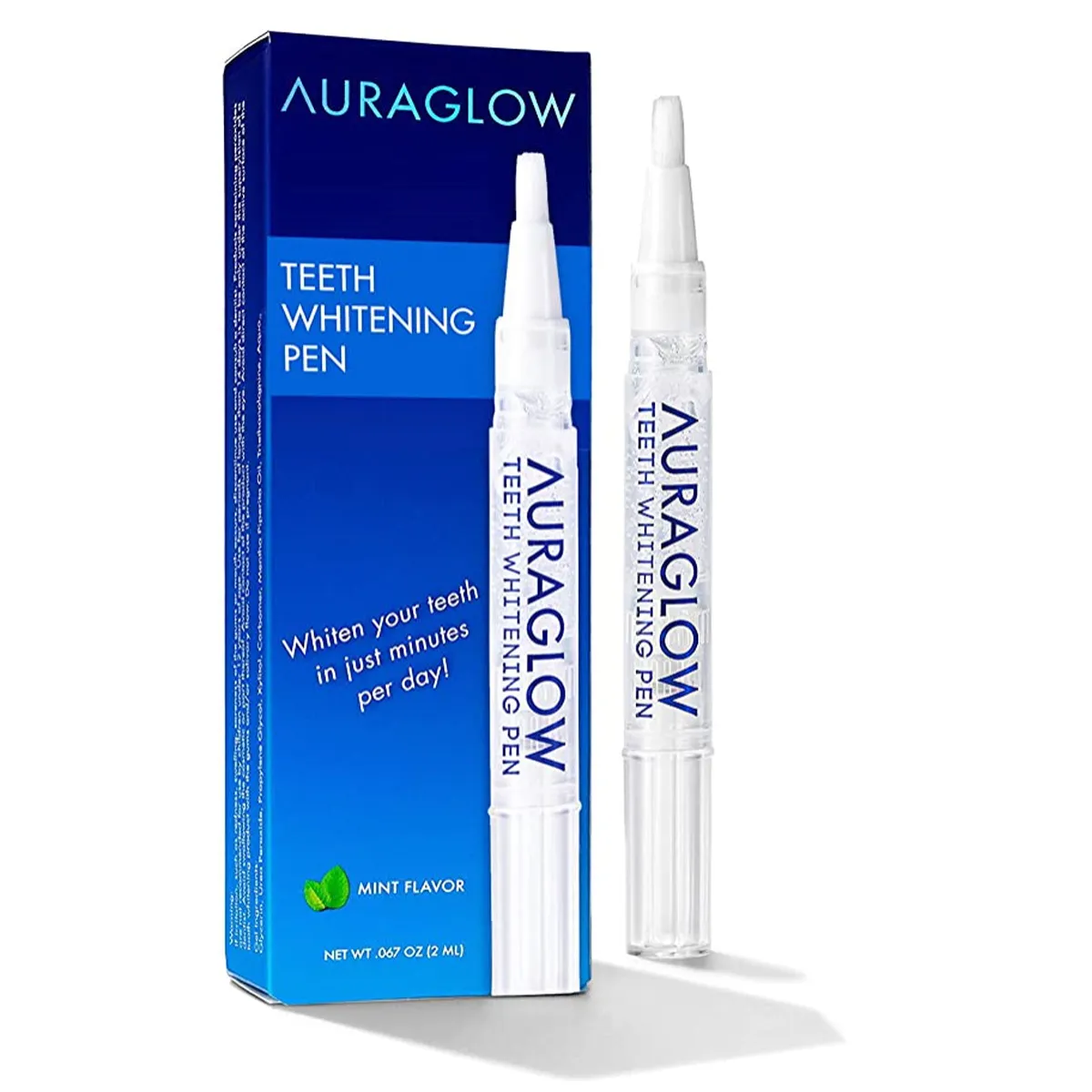
Understanding Teeth Whitening
Teeth whitening is a popular cosmetic dental procedure designed to lighten the shade of your teeth and enhance your smile. Over time, teeth can become stained or discolored due to various factors such as aging, the consumption of certain foods and beverages (coffee, tea, red wine), smoking, and even certain medications. Teeth whitening treatments aim to remove these stains and restore the natural brightness of your teeth. The process typically involves the use of bleaching agents that penetrate the enamel and dentin, breaking down the stain molecules and resulting in a noticeably whiter smile. Many people seek teeth whitening to boost their self-confidence and improve their overall appearance, making it a widely sought-after cosmetic procedure in modern dentistry.
What is Teeth Whitening
Teeth whitening, in its essence, is a process aimed at lightening the color of teeth. It’s not a one-size-fits-all solution, as the method and results can vary based on individual factors and the chosen approach. The main goal is to remove stains and discoloration, which can stem from surface stains (extrinsic) or deeper, internal stains (intrinsic). Extrinsic stains, often caused by food and drinks, might respond well to over-the-counter whitening products. Intrinsic stains, however, might require more intensive treatments performed by a dental professional. Regardless of the method, teeth whitening works by using bleaching agents that penetrate the tooth’s enamel and dentin to break down staining compounds. This leads to a brighter, more aesthetically pleasing smile.
The Benefits of Teeth Whitening

The benefits of teeth whitening extend far beyond mere aesthetics. A brighter, whiter smile can significantly boost self-esteem and self-confidence. In social settings, a radiant smile can leave a lasting positive impression, enhancing personal interactions and making individuals feel more approachable. Professionally, a confident smile can be a powerful tool, aiding in career advancement and creating a positive image. Beyond the psychological benefits, teeth whitening can also encourage better oral hygiene habits. When individuals invest in whitening their teeth, they often become more motivated to maintain their results through diligent brushing, flossing, and regular dental check-ups. Ultimately, the process can lead to both improved self-image and overall oral health.
Main Ingredients in Teeth Whitening Products
The effectiveness of teeth whitening products largely depends on their active ingredients. The primary substances responsible for the whitening effect are bleaching agents. These agents work by penetrating the enamel and dentin to break down stain molecules. The most common active ingredients are hydrogen peroxide and carbamide peroxide. The concentration of these ingredients varies depending on the product type and intended use (over-the-counter vs. professional treatments). In addition to the bleaching agents, many products contain other components to enhance their performance, stabilize the active ingredients, and provide other benefits such as sensitivity reduction. Understanding the role of each ingredient helps consumers make informed choices and achieve optimal results.
Hydrogen Peroxide The Powerhouse
Hydrogen peroxide is a potent oxidizing agent and the primary bleaching agent used in many teeth whitening products. It works by releasing oxygen molecules that penetrate the enamel and dentin. These oxygen molecules break down the stain-causing compounds, thus lightening the teeth. The concentration of hydrogen peroxide varies widely depending on the product. Over-the-counter products often contain lower concentrations, typically around 3% to 10%, to ensure safety for home use. Professional treatments, administered by dentists, can utilize higher concentrations, sometimes up to 40%, to achieve faster and more dramatic results. Hydrogen peroxide’s effectiveness lies in its ability to rapidly break down stains, making it a cornerstone of professional and at-home whitening solutions.
Carbamide Peroxide A Gentle Alternative

Carbamide peroxide is another key ingredient used in teeth whitening, often considered a gentler alternative to hydrogen peroxide. When carbamide peroxide comes into contact with water, it breaks down into hydrogen peroxide and urea. The hydrogen peroxide then acts as the bleaching agent, while the urea helps moisturize the teeth and reduce sensitivity. Carbamide peroxide is commonly found in at-home whitening products such as whitening strips and trays. Its slower release of hydrogen peroxide allows for a more controlled whitening process, which can minimize the risk of tooth sensitivity. The concentration of carbamide peroxide in these products varies, typically ranging from 10% to 22%, equating to roughly one-third of the hydrogen peroxide content. It provides an effective yet user-friendly option for those seeking to brighten their smile at home.
Other Ingredients to Consider
Besides the primary bleaching agents, teeth whitening products contain a variety of other ingredients designed to support the whitening process and improve user experience. Stabilizers are added to maintain the efficacy of the active ingredients. These compounds prevent the bleaching agents from degrading prematurely. Flavoring agents and sweeteners are included to make the products more palatable. Common flavorings include mint and other refreshing tastes. Desensitizing agents, such as potassium nitrate or sodium fluoride, are often incorporated to reduce tooth sensitivity, a common side effect of whitening. These ingredients help to soothe the nerves within the teeth. Other additives may include thickening agents to improve product texture and adhesion to the teeth, contributing to a more effective and comfortable whitening experience. These supplementary ingredients play a crucial role in the overall success of teeth whitening.
Sodium Bicarbonate (Baking Soda)
Sodium bicarbonate, more commonly known as baking soda, is a mild abrasive and a popular ingredient in some teeth whitening products and DIY remedies. Its abrasive properties help to remove surface stains from teeth, contributing to a brighter appearance. Baking soda also has a slight whitening effect due to its alkaline nature, which can help neutralize acids that cause staining. While effective at removing surface stains, it is not a bleaching agent and does not change the intrinsic color of teeth. Products containing baking soda often incorporate other ingredients, such as hydrogen peroxide, to enhance their whitening capabilities. The use of baking soda should be approached with caution, as excessive or aggressive brushing can damage enamel over time. It is an additional component of whitening solutions.
Fluoride for Enamel Health

Fluoride is an essential mineral known for its role in strengthening tooth enamel and preventing cavities. In teeth whitening products, fluoride can help mitigate the potential side effects of bleaching agents, particularly tooth sensitivity. The bleaching process can temporarily weaken the enamel. Fluoride remineralizes the enamel, making it more resistant to acids and protecting against decay. Many whitening toothpastes and treatments include fluoride to provide these benefits. It helps to replenish the minerals lost during the whitening process, maintaining the overall health of the teeth. The addition of fluoride ensures that teeth whitening not only improves the appearance but also supports oral health by reinforcing the enamel and reducing the risk of dental problems. It helps teeth to regain essential components.
How Teeth Whitening Products Work
Teeth whitening products work through a chemical process known as oxidation. The active bleaching agents, typically hydrogen peroxide or carbamide peroxide, penetrate the enamel and dentin of the teeth. These agents break down the organic molecules responsible for staining and discoloration. The process essentially involves the release of oxygen molecules, which react with the stain molecules, breaking them into smaller, less visible components. This reaction lightens the overall color of the teeth. The effectiveness of a product depends on several factors, including the concentration of the bleaching agent, the duration of application, and the individual’s tooth structure. Understanding the mechanism of action helps users to appreciate the science behind achieving a brighter smile.
The Science Behind the Process
The science behind teeth whitening involves understanding the structure of teeth and the chemical reactions that occur during the bleaching process. Teeth are composed of an outer layer of enamel, a middle layer of dentin, and an inner pulp chamber containing nerves and blood vessels. The enamel is porous and can absorb stain-causing compounds from food, drinks, and tobacco. Bleaching agents, such as hydrogen peroxide, are designed to penetrate these pores and react with the stain molecules. The bleaching agents break the complex organic stain molecules into simpler, colorless ones. This process lightens the teeth without significantly altering the tooth’s structure. The reaction is a controlled oxidation process. The effectiveness depends on factors such as concentration, contact time, and the individual’s tooth characteristics. The process has a solid scientific foundation, ensuring safe and effective results.
Types of Teeth Whitening Products

A wide variety of teeth whitening products are available, offering diverse options to suit different needs and preferences. These can be broadly categorized into over-the-counter (OTC) and professional treatments. Over-the-counter products include whitening toothpastes, strips, gels, and trays. Whitening toothpastes typically contain mild abrasives and low concentrations of peroxide to remove surface stains. Whitening strips and gels provide a more concentrated bleaching effect. They are easily applied at home. Professional treatments, on the other hand, are administered by dentists and provide the most effective results. These include in-office whitening procedures, which use high-concentration bleaching agents, and custom-fit trays for at-home use, which offer a more controlled bleaching experience. Each type has its advantages and disadvantages.
Over-the-Counter Products
Over-the-counter (OTC) teeth whitening products are readily accessible and convenient, making them a popular choice for many. These products are typically designed for home use and include a range of options, such as whitening toothpastes, strips, gels, and trays. Whitening toothpastes are often the most accessible, containing mild abrasives and low concentrations of peroxide to remove surface stains. Whitening strips are easy to use and adhere to the teeth, providing a concentrated dose of bleaching agent. Whitening gels can be applied with a brush or in a custom-fit tray. OTC products generally contain lower concentrations of active ingredients compared to professional treatments, making them safer for unsupervised use. While they may not produce the most dramatic results, OTC products can effectively lighten teeth and are a good option for maintaining a brighter smile. They are cost-effective and accessible for those seeking mild improvements.
Professional Teeth Whitening
Professional teeth whitening offers the most effective and controlled results. Dentists offer in-office whitening procedures. They use high-concentration bleaching agents that are carefully applied and monitored. This allows for faster and more significant whitening effects compared to over-the-counter products. Dentists can also provide custom-fit whitening trays for at-home use. They ensure a precise fit and even distribution of the bleaching agent. Professional treatments often include measures to minimize tooth sensitivity, such as fluoride applications. In addition, dentists can assess the patient’s oral health. They determine if they are suitable for whitening. They also address any underlying dental issues before proceeding. The professional approach guarantees the best results. It also offers the safest and most personalized whitening experience. Dentists can give advice based on the patient’s case.
Maintaining Your Bright Smile

Maintaining a bright smile after teeth whitening requires a proactive approach. Regular oral hygiene practices are essential, including brushing twice daily with a whitening toothpaste. Flossing daily to remove plaque and food particles also plays a crucial role in preventing stains. Routine dental check-ups and cleanings are necessary. Dentists can remove any surface stains. They also monitor oral health. Dietary adjustments can also help maintain a brighter smile. Limiting consumption of staining foods and beverages, such as coffee, tea, red wine, and berries, helps prevent discoloration. Rinsing your mouth with water after consuming these items can also reduce staining. Using a straw for beverages minimizes contact with your teeth. Avoiding smoking and tobacco products is critical. These products are major contributors to tooth staining. A consistent oral care routine helps extend the longevity of teeth whitening.
Tips for Long-Lasting Results
To enjoy long-lasting results from teeth whitening, several strategies should be implemented. Avoiding or minimizing the consumption of staining foods and beverages is crucial. This includes coffee, tea, red wine, dark juices, and highly pigmented foods. If you do consume these items, rinsing your mouth with water immediately afterward can help to mitigate staining. Refraining from smoking and tobacco products is also essential, as these substances are major culprits for tooth discoloration. Regular dental check-ups and cleanings are important. Dentists can remove any surface stains. They will also advise the proper dental routine. Using a whitening toothpaste can also help to maintain the brightness of your teeth. Following these tips will help to extend the results of teeth whitening, ensuring a radiant smile.
Avoiding Stains and Discoloration
Avoiding stains and discoloration is key to maintaining a bright smile. Lifestyle choices play a significant role in preventing tooth staining. Limiting the consumption of staining foods and beverages is essential. Coffee, tea, red wine, and dark-colored berries are known culprits. Consider using a straw for beverages. This reduces direct contact with the teeth. After consuming staining items, rinsing your mouth with water or brushing your teeth can help minimize their effects. Avoiding smoking and tobacco products is crucial. These products are major causes of tooth discoloration. Regular brushing and flossing can help remove surface stains and prevent plaque buildup. Routine dental check-ups and cleanings will assist in removing stains. They also help maintain the health of your teeth. Being mindful of these factors will help to keep teeth bright and reduce the need for frequent whitening treatments.