Whitening Strips Expiration Date: Overview
Whitening strips have become a popular method for achieving a brighter smile, but like any cosmetic product, they come with an expiration date. Understanding the expiration date of whitening strips is crucial for ensuring both their effectiveness and your oral health. This guide will delve into the key aspects of whitening strip expiration, from what causes them to expire, how to find the date, potential risks, and best practices for storage and use. Knowing this information will help you make informed decisions about your teeth whitening routine, maximizing your results and minimizing any potential hazards.
What Causes Whitening Strips to Expire?
Several factors contribute to the expiration of whitening strips, primarily concerning the degradation of their active ingredients and the materials used in the strips. Over time, the chemical compounds responsible for teeth whitening lose their potency, rendering the strips less effective. Additionally, the physical integrity of the strips and their packaging can deteriorate, impacting their performance and safety. Understanding these causes is essential for appreciating the importance of the expiration date.
The Role of Active Ingredients
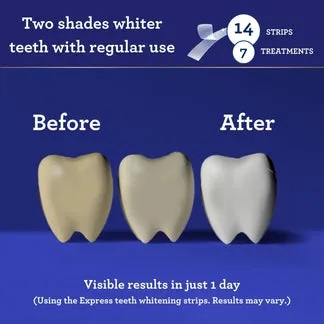
The active ingredient in most whitening strips is typically hydrogen peroxide or carbamide peroxide. These compounds break down into water and oxygen, which then react with the stain molecules on your teeth. The efficacy of these ingredients diminishes over time due to various factors like exposure to air, light, and temperature fluctuations. Once these active ingredients degrade significantly, the whitening power is reduced, leading to less noticeable results and potentially wasted product.
Storage Conditions and Shelf Life
Storage conditions play a vital role in the shelf life of whitening strips. Exposure to heat, humidity, and direct sunlight can accelerate the degradation of the active ingredients. The packaging of whitening strips is designed to protect them from these elements, but it is essential to store the strips properly, following the manufacturer’s instructions. The shelf life is generally indicated on the packaging and is usually between 12 to 24 months from the manufacturing date, provided the product is stored correctly.
How to Find the Expiration Date on Whitening Strips
Locating the expiration date on your whitening strips is a straightforward process, but it is essential to know where to look. The date is typically printed on the packaging itself. Whether you have a box, a foil packet, or a blister pack, knowing where to find the expiration date ensures you’re using the product within its recommended timeframe. It is a key step to ensure the safety and effectiveness of your whitening strips. Always check before use, and if in doubt, do not use the product.
Where to Locate the Expiration Date

The expiration date is usually printed on the box of the whitening strips. It can also be found on the individual foil packets that contain the strips. It is often located on the bottom or the side of the box, but it can also be near the product’s barcode or lot number. On the individual packets, it is often located at one of the ends or along a seam. The location may vary slightly depending on the brand, but it is always clearly marked. If you’re unsure, check the product’s user guide or contact the manufacturer.
Decoding Expiration Date Formats
Expiration dates can be displayed in various formats. The most common formats include month/year (MM/YY), month/day/year (MM/DD/YY), or a full date with the month, day, and year. Some manufacturers use the ‘EXP’ abbreviation followed by the date, such as ‘EXP 06/25’ (expires June 2025). Understanding these formats is crucial to correctly interpret the expiration date. If the date is unclear, it’s best to err on the side of caution and avoid using the product past the date provided by the manufacturer to ensure the product’s safety and efficacy.
7 Facts About Using Expired Whitening Strips
Using expired whitening strips can lead to various issues, making it important to understand the potential risks. While the strips may not necessarily cause severe harm in all cases, their reduced effectiveness and potential for irritation can make them undesirable. Being aware of these potential outcomes can help you make informed decisions and protect your oral health. Here are seven critical facts to consider when it comes to expired whitening strips.
Fact 1 Risk of Reduced Effectiveness

The primary concern with expired whitening strips is their reduced effectiveness. As the active ingredients degrade, the strips become less capable of removing stains and whitening your teeth. The hydrogen peroxide or carbamide peroxide may lose its potency, resulting in a weaker bleaching action. This means you may not see the desired results or may need to use the strips for a longer duration, increasing the risk of other side effects.
Fact 2 Potential for Irritation
Expired whitening strips can potentially cause irritation to your gums and teeth. The chemical composition of the strips may change over time, leading to increased sensitivity. This can manifest as a burning sensation, redness, or swelling of the gums. Additionally, the expired product may contain by-products that can irritate soft tissues. If you experience any discomfort, discontinue use and consult your dentist.
Fact 3 Changes in Product Consistency
The physical properties of the whitening strips can change as they pass their expiration date. They may become less flexible, brittle, or even begin to dissolve prematurely. Such changes in consistency can make the strips difficult to apply and could lead to uneven whitening. Moreover, the altered consistency can make them less effective in adhering to the teeth, thereby reducing their ability to whiten.
Fact 4 Degradation of Active Ingredients

The active ingredients, such as hydrogen peroxide, degrade over time. This means the concentration of the whitening agent decreases, making the strips less effective. Degradation can occur due to exposure to air, light, and temperature fluctuations. Using expired strips means you are applying a product with a lower concentration of the active agent, leading to minimal or no whitening effects.
Fact 5 Safety Concerns
Using expired products carries potential safety concerns. While not always severe, the degradation of ingredients can sometimes produce by-products that may not be safe for ingestion or prolonged contact with oral tissues. Furthermore, the packaging of the strips might degrade, allowing contaminants to enter. While the risks are generally low, the potential for irritation or allergic reactions is not worth the slight cost savings.
Fact 6 When to Discard Expired Strips
It is best to discard whitening strips immediately after their expiration date. The reduction in effectiveness, along with the potential for irritation or safety issues, means that using expired strips is not recommended. Always dispose of expired strips properly, following the guidelines provided by the manufacturer or your local waste management regulations. This ensures the product does not pose any environmental or health hazards.
Fact 7 Alternatives for Teeth Whitening

If your whitening strips have expired, or if you are looking for alternatives, several options are available. Consider visiting your dentist for professional teeth whitening treatments. These in-office procedures are generally more effective and produce faster results. Alternatively, you could opt for dentist-supervised at-home whitening kits. These kits typically contain stronger whitening agents than over-the-counter strips and offer a more controlled and safer approach. Other options include whitening toothpaste and mouthwashes; however, the results are often less dramatic. Consulting your dentist is the best way to determine the ideal teeth whitening strategy for your specific needs.
Tips for Proper Whitening Strip Storage
Proper storage of whitening strips can significantly extend their shelf life and maintain their effectiveness. Storing them correctly is crucial to ensure the strips remain potent until the expiration date. Following the storage guidelines can help you get the best results from your whitening treatment. Correct storage also helps to maintain the integrity of the strips, ensuring they adhere properly to the teeth and distribute the whitening agents evenly.
Storing Strips in a Cool Dry Place
The best place to store whitening strips is in a cool, dry environment away from direct sunlight and heat. Ideal storage locations include a bathroom cabinet, a drawer, or any other place with a consistent temperature. Avoid storing them in the bathroom, where humidity levels can fluctuate. High humidity can degrade the strips and impact their adhesion to the teeth. Keeping the strips in their original packaging also helps protect them from light and moisture.
Avoiding Extreme Temperatures and Humidity

Avoid storing whitening strips in areas subject to extreme temperatures or humidity. High temperatures can degrade the active ingredients, making the strips less effective. Humidity can damage the packaging, potentially leading to reduced efficacy and premature expiration. Avoid leaving the strips in a car during hot weather or storing them near a source of heat. Always seal the package properly after each use to minimize exposure to air and moisture.
The Impact of Using Expired Whitening Strips
Using expired whitening strips can lead to several negative outcomes. The effectiveness of the strips decreases, resulting in less noticeable whitening. Potential side effects include gum irritation and tooth sensitivity. Understanding these impacts can help you avoid these pitfalls and maintain optimal oral health. Always be mindful of the expiration date and make informed decisions to ensure your teeth whitening routine is both safe and effective.
Common Side Effects of Expired Strips
The most common side effects of using expired whitening strips include gum irritation, tooth sensitivity, and reduced whitening results. Irritation can manifest as redness, swelling, or a burning sensation in the gums. Tooth sensitivity can lead to discomfort when consuming hot or cold foods. The reduced whitening effect means you may not achieve the desired results, leading to disappointment and a waste of product. Discontinue use immediately if you experience any of these effects.
When to Consult a Dentist
If you experience persistent side effects or are unsure about the condition of your teeth, consult your dentist. They can assess your oral health, determine the cause of any irritation or discomfort, and recommend alternative teeth whitening solutions. A dentist can also provide professional guidance on the safe and effective use of whitening products. Regular dental check-ups are crucial for maintaining good oral health and ensuring your teeth whitening efforts are successful and safe.
Conclusion Best Practices for Whitening Strips
Understanding the expiration date of whitening strips is a fundamental aspect of achieving a brighter, healthier smile. Always check the expiration date before use, store your strips properly, and be aware of the potential risks associated with expired products. By following these best practices, you can ensure your teeth whitening journey is safe, effective, and yields the results you desire. Prioritize your oral health by making informed choices, and consult your dentist for personalized advice and care.