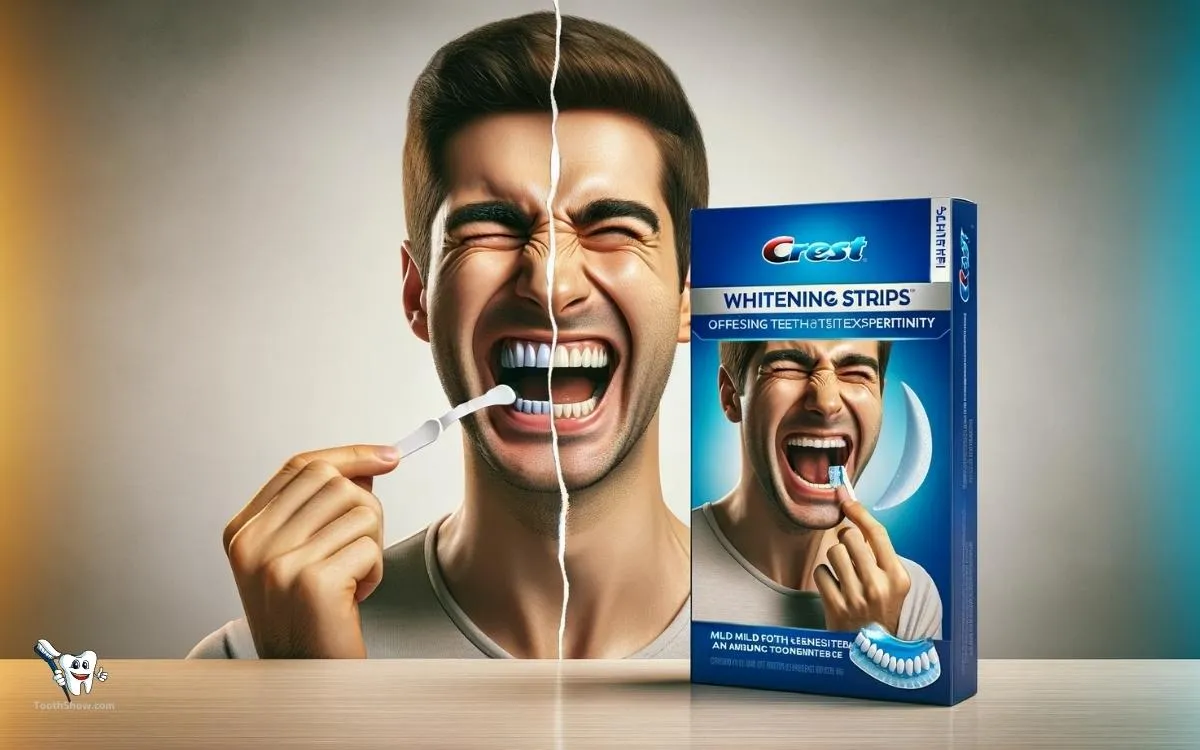
What Makes Whitening Strips Hurt Your Teeth?
Teeth whitening strips are a popular way to achieve a brighter smile, but unfortunately, they can sometimes cause discomfort or pain. If you’ve ever experienced a sharp, shooting pain or lingering sensitivity after using these strips, you’re not alone. Understanding why whitening strips hurt your teeth is the first step toward finding solutions and ensuring a more comfortable whitening experience. Several factors contribute to this issue, ranging from the ingredients in the strips to your individual oral health conditions. This guide will explore the top five reasons why whitening strips might be causing you pain, providing insights into the science behind the discomfort and actionable advice on how to prevent or alleviate it. We will delve into the role of peroxide, existing sensitivity, improper application, enamel erosion, and gum irritation, equipping you with the knowledge to make informed decisions about your teeth whitening journey. By understanding these factors, you can take steps to minimize pain and achieve a dazzling smile without the agony.
1. High Concentration of Peroxide
The primary active ingredient in most teeth whitening strips is hydrogen peroxide or carbamide peroxide. These chemicals are effective at breaking down stains and lightening the enamel, but their potency can also be a significant factor in causing sensitivity. The higher the concentration of peroxide, the more likely you are to experience pain. Over-the-counter whitening strips typically contain lower concentrations than those used in professional dental treatments, but the amount can still be substantial enough to irritate the nerves within your teeth. This irritation can manifest as a sharp, sudden pain when exposed to hot or cold temperatures, sweet foods, or even air. The peroxide penetrates the enamel and dentin, reaching the nerve endings and causing temporary inflammation. Different brands vary in their peroxide concentrations, so it is essential to review the product information and consider your tolerance level before starting any whitening treatment. For those with sensitive teeth, it is advisable to opt for strips with lower concentrations or consult with a dentist about alternative whitening options that may be gentler on the teeth.
How Peroxide Impacts Tooth Sensitivity

Peroxide, when applied to teeth, breaks down into oxygen and water. The oxygen molecules then penetrate the porous enamel, reacting with the stain molecules and breaking them down. However, the process can also irritate the dental pulp, which contains nerves and blood vessels, leading to sensitivity. The degree of sensitivity depends on the peroxide concentration, the duration of application, and the individual’s inherent tooth sensitivity. The penetration of peroxide can cause the dentin tubules, which are tiny channels that lead to the pulp, to become exposed or irritated. This exposure makes the nerves more susceptible to external stimuli, such as temperature changes, and triggers the sensation of pain. Additionally, the chemical reaction from peroxide can cause dehydration of the tooth, which can further increase sensitivity. This is why many people experience a temporary increase in sensitivity during and immediately after whitening treatments. While the effects are usually temporary, it is crucial to understand how peroxide impacts your teeth and adjust your treatment accordingly to minimize discomfort and potential damage.
2. Existing Tooth Sensitivity
If you already have sensitive teeth, using whitening strips can exacerbate the issue. Sensitivity can stem from various factors, including receding gums, enamel erosion, cavities, or even genetics. When your teeth are already vulnerable, the peroxide in whitening strips can easily penetrate the enamel and reach the nerve endings, resulting in intense pain. Individuals with pre-existing sensitivity may find that even low-concentration strips cause significant discomfort. It is crucial to identify and address any underlying sensitivity before starting a whitening treatment. This might involve consulting with a dentist, using desensitizing toothpaste, or undergoing other treatments to strengthen the enamel and protect the nerves. Ignoring existing sensitivity can lead to a more painful and unpleasant whitening experience and potentially cause further damage to your teeth. Before starting any whitening regime, it is highly advisable to determine the level of sensitivity you have.
Identifying and Addressing Tooth Sensitivity
Identifying tooth sensitivity involves recognizing common symptoms such as sharp pain when consuming hot or cold foods and beverages, sweets, or when exposed to air. If you frequently experience these symptoms, it is best to consult a dentist to diagnose the underlying causes. A dentist can assess your teeth for enamel erosion, cavities, receding gums, or any other factors contributing to sensitivity. Treatment options may include using desensitizing toothpaste containing ingredients like potassium nitrate or strontium chloride. These ingredients work by blocking the pain signals sent to the nerve endings in your teeth. Your dentist might also recommend fluoride treatments to strengthen the enamel or prescribe special mouthwashes. In some cases, dental procedures such as fillings or gum grafting may be necessary. Addressing the root cause of the sensitivity before whitening is important. This ensures that the whitening treatment is both effective and as comfortable as possible. Addressing sensitivity is more than just managing the symptoms; it is about protecting and preserving your oral health.
3. Improper Application of Strips

The way you apply whitening strips can significantly impact your comfort and the effectiveness of the treatment. Improper application often leads to increased sensitivity and can even cause gum irritation. Make sure your teeth are clean and dry before applying the strips, as excess moisture can dilute the peroxide and reduce its effectiveness. Avoid placing the strips too close to your gums, which can lead to irritation and inflammation. The strips should primarily cover the visible surface of your teeth. Another critical factor is the duration of the application. Leaving the strips on for longer than the recommended time, as stated in the product instructions, increases the risk of sensitivity and potential enamel damage. If the strips do not adhere well to your teeth, the whitening agent might leak, causing uneven whitening and potential irritation. Always follow the manufacturer’s instructions carefully and avoid any practices that could compromise the proper application of the strips.
Techniques for Correct Whitening Strip Placement
Properly applying whitening strips involves a few key steps to maximize effectiveness and minimize the risk of sensitivity. Start by brushing your teeth thoroughly, but avoid using toothpaste immediately before application. Rinse your mouth with water and dry your teeth with a clean tissue or cloth. Carefully peel the strips from their backing and apply them to your teeth, ensuring they align with your gum line. Avoid overlapping the strips onto your gums as this can cause irritation. Gently press the strips onto your teeth, molding them to the contours of your teeth to ensure even contact. The strips should cover the front surfaces of your teeth but not extend beyond the visible enamel. Follow the instructions to remove the strips within the recommended time, which usually ranges from 30 minutes to an hour. Afterward, rinse your mouth with water to remove any residual whitening agent. By taking these steps, you can ensure that your whitening treatment is as safe and effective as possible. If you have trouble with proper placement, consider asking your dentist for advice on achieving the best results.
4. Enamel Erosion or Weakness
Enamel erosion, the wearing away of the protective outer layer of your teeth, can make your teeth more vulnerable to the effects of whitening strips. When the enamel is thin or weakened, the peroxide in the strips can penetrate the underlying dentin more quickly, resulting in increased sensitivity and pain. Factors that contribute to enamel erosion include consuming acidic foods and drinks, teeth grinding, and aggressive brushing. People with existing enamel erosion may experience sharp pain or discomfort during or after using whitening strips. It’s crucial to address any signs of enamel erosion before starting a whitening treatment to prevent exacerbating sensitivity and causing further damage. This may involve making dietary changes, using a softer toothbrush, or using a toothpaste designed to remineralize enamel. Consulting a dentist is highly recommended to assess the extent of enamel erosion and to receive personalized recommendations on how to manage it. Proper care of your enamel is essential not only for the comfort during whitening but also for maintaining overall oral health.
Factors Contributing to Enamel Erosion

Several factors contribute to enamel erosion, which makes your teeth more susceptible to the effects of whitening strips. Frequent consumption of acidic foods and beverages, such as citrus fruits, carbonated drinks, and vinegar-based dressings, can gradually dissolve the enamel. Teeth grinding, or bruxism, can wear down the enamel over time, especially if the grinding occurs at night. Aggressive brushing, particularly with a hard-bristled toothbrush, can also erode enamel, especially when combined with abrasive toothpastes. Other factors, such as gastroesophageal reflux disease (GERD) and dry mouth, can increase the risk of erosion. Identifying and addressing these contributing factors is crucial to preserving enamel health. Consider reducing your intake of acidic foods and drinks, using a softer toothbrush and brushing gently, and seeking treatment for bruxism. If you have dry mouth, you can use products to stimulate saliva production, which helps neutralize acids and protect your enamel. Regular dental check-ups can help catch enamel erosion early, allowing you to take preventive measures to minimize damage.
5. Gum Irritation and Receding Gums
Whitening strips can sometimes cause gum irritation and, in some cases, can exacerbate receding gums. When the whitening agent comes into contact with your gums, it can cause inflammation, redness, and even blistering. This irritation can lead to discomfort and pain. Receding gums expose the root surfaces of the teeth, which lack the protective enamel and are more sensitive. Whitening strips applied near or on the exposed roots can lead to increased pain. Maintaining healthy gums and protecting them during whitening treatments are essential steps in minimizing discomfort. Receding gums are a common consequence of factors like aggressive brushing, gum disease, and genetic predisposition. Identifying and addressing these issues is important to ensure a pain-free experience. Consulting a dentist for gum health evaluation is also important.
Protecting Your Gums During Whitening
Protecting your gums during whitening strip treatments involves several key strategies. One of the most important steps is to apply the strips carefully, ensuring they do not overlap onto your gum tissue. If the strips are too long, you can trim them to fit your teeth properly. You should also make sure to brush your teeth before applying the strips, but avoid brushing immediately afterward. Rinse your mouth with water before applying the strips, and avoid getting the whitening agent on your gums. If you experience any gum irritation, discontinue use and consult your dentist. Using a soft-bristled toothbrush and brushing gently can also help maintain gum health and reduce the risk of recession. Regularly visiting the dentist for check-ups and cleanings will also help identify and address any gum-related issues. Moreover, consider using a desensitizing toothpaste containing fluoride. By taking these precautions, you can make your whitening experience safer and more comfortable.
Preventing and Managing Tooth Pain From Whitening Strips

While tooth pain from whitening strips can be uncomfortable, there are several steps you can take to prevent and manage it. First, choose whitening strips that are appropriate for your sensitivity level. If you have sensitive teeth, opt for strips with a lower concentration of peroxide. Another tip is to shorten the duration of the application. Using the strips for a shorter period than recommended can help reduce the intensity of the pain. Furthermore, consider taking breaks between treatments. Avoid using the strips every day, and give your teeth a few days off between applications. If you experience pain, discontinue the use of the strips and consult your dentist. Using desensitizing toothpaste containing potassium nitrate or strontium chloride can also reduce sensitivity. Applying these measures can greatly improve the comfort and effectiveness of your teeth whitening treatment.
Choosing the Right Whitening Strips for You
Choosing the right whitening strips depends on your individual needs and sensitivity level. If you have sensitive teeth, it’s essential to select strips with lower peroxide concentrations. These strips are generally gentler on your teeth and gums. Read the product labels carefully and look for information about the peroxide content. The higher the peroxide concentration, the more likely you are to experience sensitivity. Another option is to explore strips specifically designed for sensitive teeth. These products often include ingredients like potassium nitrate, which helps reduce sensitivity. If you’re unsure which strips are right for you, consult your dentist. They can assess your oral health and recommend a product that’s suitable for your specific needs. Furthermore, consider trying a few different brands or types of strips to find one that gives you the best results with the least amount of discomfort. Remember to always follow the product’s instructions carefully.
Tips to Minimize Sensitivity During Whitening
Several tips can help you minimize sensitivity while using whitening strips. First, use a desensitizing toothpaste containing ingredients like potassium nitrate or strontium chloride for at least two weeks before starting your whitening treatment. Apply the strips at night, allowing your teeth to recover while you sleep. Another option is to apply a thin layer of petroleum jelly or a similar barrier to your gums before using the strips to protect them from irritation. Rinse your mouth with water after removing the strips. Avoid consuming acidic foods and beverages, such as citrus fruits, carbonated drinks, and coffee, during the whitening period. Reduce the application time, and consult with your dentist if you have persistent sensitivity. By incorporating these tips into your routine, you can significantly reduce sensitivity and make your whitening experience more pleasant.
When to Consult a Dentist

If you experience significant tooth pain or discomfort during or after using whitening strips, it’s crucial to consult your dentist. Persistent or severe pain could indicate underlying dental issues that need to be addressed. A dentist can assess your teeth and gums for any signs of sensitivity, enamel erosion, cavities, or gum disease. They can also determine whether the whitening strips are causing any damage. Your dentist can offer advice on alternative whitening methods, such as professional treatments performed in the office or custom-made trays. Additionally, if your gums are severely irritated, they can recommend treatments to alleviate inflammation and protect them. Consulting a dentist is essential not only to manage the pain but also to ensure that your oral health is maintained throughout the whitening process. Early intervention can prevent more serious problems from developing.
In conclusion, understanding the reasons behind tooth pain from whitening strips is the first step toward achieving a brighter smile comfortably. From the concentration of peroxide to the condition of your teeth and gums, various factors contribute to this discomfort. By being aware of these issues and adopting preventative strategies, you can often mitigate or eliminate the pain and enjoy the benefits of teeth whitening. Always choose the right products for your specific needs, follow instructions carefully, and consult with your dentist if you have any concerns. Taking these steps will help you achieve your whitening goals while maintaining a healthy and comfortable smile. A beautiful smile is a great asset, but not at the expense of your comfort or dental health. Prioritize your oral health and enjoy the process.