Understanding Whitening Services
Whitening services have become incredibly popular for those seeking a brighter, more confident smile. But what exactly do these services entail? At its core, teeth whitening is a cosmetic dental procedure designed to lighten the shade of your teeth. This can be achieved through various methods, ranging from professional treatments at your dentist’s office to over-the-counter products you can use at home. The primary goal is to remove stains and discoloration that can accumulate on the enamel of your teeth. These stains can arise from a variety of sources including the consumption of certain foods and beverages, smoking, and the natural aging process. Understanding the basics of how these services work is the first step towards achieving the radiant smile you’ve always desired. Before choosing a service, it’s important to understand the different methods available and to consult with a dental professional to determine the best option for your specific needs and oral health situation.
Types of Whitening Services
The landscape of whitening services is diverse, offering various options to suit different needs and preferences. Broadly speaking, these services can be categorized into two main types in-office and at-home treatments. Each type has its own set of advantages and considerations. In-office whitening procedures typically involve a higher concentration of bleaching agents and are administered by a dental professional, often resulting in immediate and noticeable results. At-home options, on the other hand, offer more convenience and flexibility. These include over-the-counter products like whitening strips and toothpastes, as well as custom-made trays prescribed by your dentist. The choice between these options often depends on factors such as the severity of the discoloration, your budget, and your desired level of convenience. It’s crucial to weigh the pros and cons of each type to find the most suitable path to a brighter smile.
In-Office Whitening Procedures

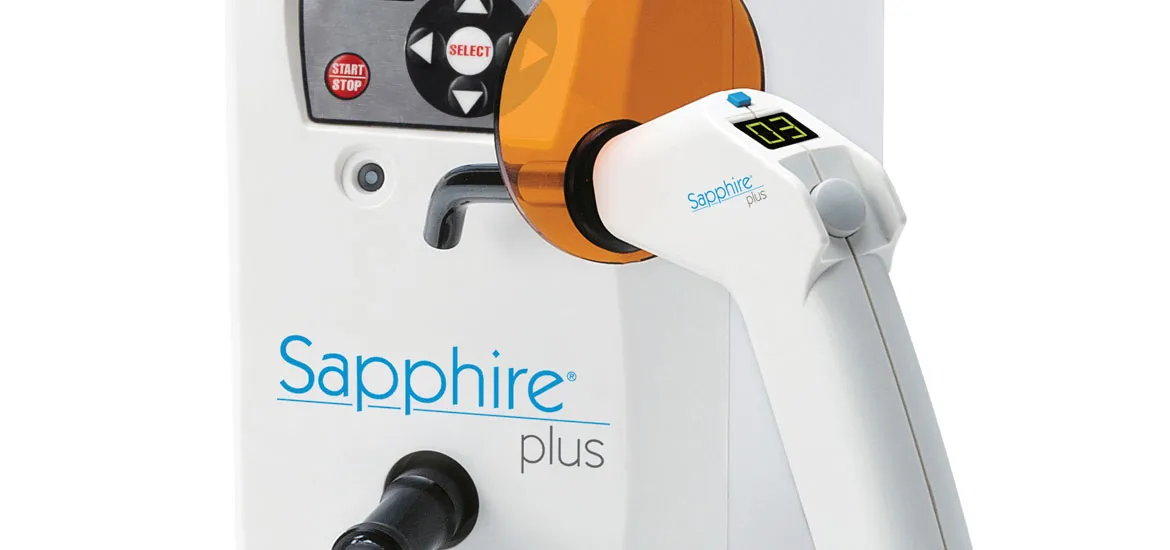
In-office whitening procedures, often performed by a dentist or dental hygienist, are the fastest way to achieve dramatic results. These treatments use a higher concentration of hydrogen peroxide or other bleaching agents than at-home products, allowing for significant lightening in a single session. The procedure usually begins with a thorough cleaning of your teeth to remove any surface stains. Then, a protective barrier is applied to your gums to prevent irritation from the bleaching agent. The whitening solution is then applied to your teeth, and a special light or laser may be used to accelerate the process. This process is repeated several times, and the entire session can last from one to two hours. The key advantage of in-office treatments is the immediate impact and the professional supervision, ensuring the safety and effectiveness of the procedure. It’s an excellent option for individuals seeking a rapid transformation of their smile.
The Process Explained
The in-office whitening process is meticulously designed to maximize effectiveness while minimizing potential risks. The dentist will start by evaluating your teeth and gums to determine if you are a suitable candidate for the procedure. This includes assessing the shade of your teeth and identifying any existing dental work, such as fillings or crowns, that may not whiten in the same way as your natural teeth. Once the assessment is complete, a cheek retractor is inserted to keep your mouth open and a protective gel is applied to your gums to shield them from the bleaching agent. The whitening solution is then carefully applied to the teeth, and a specialized light or laser is directed at the teeth to activate and enhance the whitening process. This step is repeated several times, and the dentist closely monitors your comfort and the results. After the final application, the dentist will remove all the protective barriers, and you’ll be able to see a significant improvement in the shade of your teeth. Post-treatment instructions will be provided to help maintain your new, brighter smile.
At-Home Whitening Options
For those seeking a more convenient and affordable approach, at-home whitening options provide a viable alternative. These treatments allow you to whiten your teeth at your own pace, in the comfort of your home. At-home options generally fall into two categories over-the-counter products and custom-made trays prescribed by your dentist. Over-the-counter options are readily available in drugstores and supermarkets, while custom trays require a consultation with a dentist. The strength of the bleaching agents used in at-home products is typically lower than those used in professional treatments, which means results may take longer to appear. However, with consistent use, these methods can still deliver noticeable improvements in tooth shade. Before starting any at-home whitening treatment, it is essential to consult your dentist to ensure it’s suitable for your oral health and to receive personalized recommendations for the best products and usage instructions.
Over-the-Counter Products

Over-the-counter whitening products are the most accessible form of at-home teeth whitening. These products include whitening strips, toothpastes, and gels, all designed to lighten the shade of your teeth. Whitening strips are one of the most popular options, as they are easy to use and provide a good level of whitening power. They typically contain a thin layer of hydrogen peroxide or carbamide peroxide and are applied directly to the teeth for a specified amount of time each day. Whitening toothpastes contain mild abrasives or chemicals that help remove surface stains, but they generally have a limited impact on deeper discoloration. Whitening gels are applied to the teeth using a tray or brush and work in a similar way to strips. While over-the-counter products are convenient and affordable, they often contain lower concentrations of bleaching agents than professional treatments, resulting in slower results. It’s essential to follow the product instructions carefully and to consult with your dentist if you have any questions or concerns.
Custom-Made Trays and Bleaching Gels
Custom-made trays and bleaching gels offer a more personalized and effective at-home whitening experience. These treatments involve your dentist taking impressions of your teeth to create custom-fitted trays. The custom fit ensures that the bleaching gel comes into close contact with your teeth, maximizing its effectiveness while minimizing the risk of irritation to your gums. Your dentist will provide you with a bleaching gel, typically containing a higher concentration of active ingredients than over-the-counter products, and instructions on how to use the trays. You’ll wear the trays with the gel for a specified amount of time each day, usually for several hours or overnight, depending on the product and your dentist’s recommendations. This method allows for a more controlled and consistent whitening process. Because the trays are custom-made, they fit your teeth perfectly, providing a more comfortable and effective whitening experience compared to generic trays. Your dentist will also monitor your progress and can adjust the treatment plan as needed to ensure optimal results and minimize potential side effects.
Maintaining Your Bright Smile
Once you’ve achieved your desired level of brightness with whitening services, maintaining your new smile is key. This involves adopting good oral hygiene habits and making mindful choices in your daily routine. Regular brushing, flossing, and dental check-ups are essential for keeping your teeth healthy and bright. You’ll also need to be aware of factors that can stain your teeth and take steps to minimize their impact. The longevity of your results will depend on the type of whitening service you chose, your lifestyle, and how well you adhere to the recommended maintenance guidelines. By following these tips, you can enjoy your radiant smile for a long time.
Tips for Long-Lasting Results

To ensure the longevity of your whitening results, incorporating specific practices into your daily routine is crucial. Regular brushing with a whitening toothpaste can help to remove surface stains and maintain brightness. Flossing daily is also important, as it helps to remove food particles and plaque from between your teeth, preventing staining. Schedule regular dental check-ups and professional cleanings, as your dentist can identify and address any potential issues that could impact the appearance of your teeth. Consider using a straw when drinking beverages that can stain your teeth, such as coffee, tea, or red wine, to minimize their contact with your enamel. If you smoke or use tobacco products, quitting can significantly enhance and preserve your whitening results. Moreover, be mindful of your diet, and try to limit your intake of stain-causing foods and drinks. By following these tips, you can effectively prolong the beautiful results of your whitening services.
Foods and Drinks to Avoid
Certain foods and drinks are notorious for staining teeth, and limiting their consumption is vital for maintaining a bright smile. Coffee, tea, and red wine are all high in tannins, which can bind to the enamel of your teeth and cause discoloration. Dark-colored sodas and fruit juices, such as grape juice and cranberry juice, can also contribute to staining. Foods like berries (blueberries, blackberries, and raspberries), soy sauce, and balsamic vinegar contain pigments that can stain teeth. If you consume these items, rinse your mouth with water immediately afterward or brush your teeth after the meal to minimize their impact. Consider reducing your intake of these items altogether, or enjoy them in moderation. Being mindful of what you eat and drink is a critical aspect of preserving your dazzling new smile after any whitening service. By making informed choices, you can keep your teeth looking their best for a long time.
Common Whitening Services Concerns
While whitening services are generally safe and effective, it’s important to be aware of potential concerns. The most common side effects are tooth sensitivity and gum irritation, which are usually temporary and resolve on their own. Other concerns include uneven whitening and the impact of whitening on existing dental work. Understanding these issues can help you make an informed decision and manage your expectations. Consulting with your dentist before undergoing any whitening procedure is crucial to address your concerns and ensure a positive outcome.
Sensitivity and Discomfort

Tooth sensitivity and gum irritation are the most frequently reported side effects of whitening services. Sensitivity can manifest as a sharp, temporary pain when consuming hot or cold foods and beverages. This occurs because the bleaching agents can temporarily make the pores in your enamel more permeable. Gum irritation can result from the bleaching agent coming into contact with the soft tissues of your mouth. Fortunately, both sensitivity and irritation are usually mild and temporary. To manage sensitivity, your dentist might recommend using a toothpaste formulated for sensitive teeth before, during, and after your whitening treatment. They may also provide fluoride treatments to help strengthen your enamel. Using custom-fitted trays can help to prevent the bleaching gel from contacting your gums. It is important to discuss any concerns with your dentist before starting the whitening process, and to follow their instructions carefully to minimize discomfort.
Cost and Effectiveness
The cost and effectiveness of whitening services vary depending on the type of treatment you choose. In-office procedures are typically more expensive, but they offer immediate and dramatic results. The cost of at-home whitening options, such as over-the-counter products, is generally much lower, but the results may take longer to appear. Custom-made trays and bleaching gels fall in between these two in terms of both cost and effectiveness. When considering cost, remember to factor in the potential need for maintenance and touch-up treatments. The effectiveness of any whitening service also depends on the severity of your discoloration, the type of stains present, and your adherence to aftercare instructions. Consulting with your dentist will allow you to get a clear understanding of what to expect in terms of cost and the likelihood of achieving your desired results. The investment in whitening services is often considered worthwhile for individuals who desire a more confident and radiant smile. Make sure you do your research and consult with a professional before making any decisions.
Choosing the Right Whitening Service
Choosing the right whitening service involves careful consideration of your needs, expectations, and oral health. There is no one-size-fits-all solution, and the best choice for you will depend on several factors. Consider the degree of staining you have, your budget, how quickly you want to see results, and your level of commitment to the treatment. Research the different types of whitening services available, and weigh the pros and cons of each option. Consult with your dentist to discuss your goals and to receive personalized recommendations. They can assess your oral health, determine the cause of your discoloration, and suggest the most appropriate treatment. Furthermore, your dentist can provide professional whitening options and guide you on the safe and effective use of at-home products. Choosing the right whitening service means striking the right balance between your desired outcome, your budget, and your comfort level.
Consulting with a Dentist

A consultation with a dentist is a critical step in choosing the right whitening service. Your dentist will conduct a thorough examination of your teeth and gums to assess your overall oral health. They will also discuss your goals and expectations for whitening and take the time to understand your lifestyle and preferences. This assessment allows the dentist to determine the cause of your discoloration and recommend the most suitable treatment options. The dentist can also evaluate the shade of your teeth, predict the potential results of different whitening procedures, and explain the risks and benefits of each option. They can address any concerns you may have and provide professional guidance on the best way to achieve your desired results. Consulting with a dentist ensures that you make an informed decision and select a whitening service that is safe, effective, and tailored to your specific needs.
Comparing Options
Comparing different whitening options requires a careful evaluation of their respective benefits, drawbacks, and suitability for your individual needs. In-office whitening offers the advantage of immediate and dramatic results, but it comes at a higher cost and requires a visit to the dentist. At-home whitening options, such as whitening strips and custom-made trays, offer more convenience and flexibility, but they may take longer to produce noticeable changes. Consider the concentration of the active whitening ingredient in each product, the potential side effects, and the level of professional supervision. Research the reviews and ratings of different products and services to gain insights into the experiences of others. Consider consulting with your dentist for personalized recommendations and to compare the different options available. By carefully comparing the different types of whitening services, you can find the one that best fits your budget, lifestyle, and desired results, paving the way for a brighter, more confident smile.