
Understanding Sensitive Gums After Whitening
Teeth whitening has become a popular cosmetic procedure, but it can sometimes lead to an unwelcome side effect sensitive gums. Many people experience some level of discomfort after undergoing whitening treatments, ranging from mild sensitivity to more intense pain. Understanding why this happens is the first step toward finding effective relief and ensuring a comfortable experience. This article delves into the causes, remedies, and preventive measures for sensitive gums after whitening, providing a comprehensive guide to help you navigate this common issue. Proper care and understanding can help you achieve a brighter smile without compromising your oral health.
Why Whitening Causes Sensitive Gums
The sensitivity experienced after teeth whitening is primarily due to the process itself. Whitening treatments, whether done at home or in a dentist’s office, typically involve the use of bleaching agents, most commonly hydrogen peroxide or carbamide peroxide. These agents work by penetrating the enamel and breaking down stain molecules. This process, however, can also affect the underlying structures of the tooth and gums, leading to sensitivity. The concentration of the bleaching agent, the duration of its contact with the teeth, and individual tooth and gum characteristics all play a role in the degree of sensitivity experienced. Understanding these factors can help you prepare for and manage potential discomfort.
The Science Behind Sensitivity
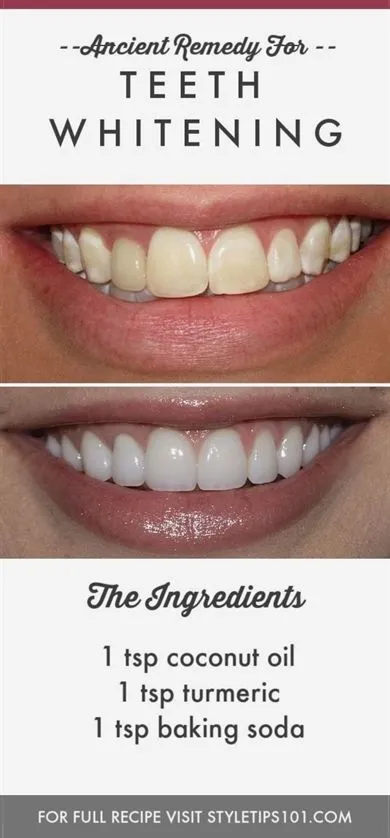
When the bleaching agent penetrates the enamel, it can reach the dentin, a layer beneath the enamel that contains tiny tubules. These tubules lead directly to the tooth’s nerve, which is housed in the pulp. The bleaching agent irritates the nerves, causing pain and sensitivity. In addition, the whitening process can dehydrate the teeth, making them more susceptible to sensitivity. The gums can also become irritated due to contact with the bleaching agent, resulting in inflammation and discomfort. Proper techniques and adherence to instructions are critical to minimizing the impact on both the teeth and gums. Understanding the science behind the process can help you appreciate the importance of following the recommended care guidelines.
Factors Influencing Sensitivity
Several factors can influence how sensitive your gums become after whitening. The concentration of the bleaching agent is a significant factor; higher concentrations often lead to greater sensitivity. The duration of the whitening treatment also plays a role; longer exposure times can increase the risk of discomfort. Individual factors, such as the natural thickness of your enamel, the presence of any existing dental issues (like cavities or gum recession), and your general oral hygiene, also contribute to sensitivity levels. People with naturally sensitive teeth or those who have undergone previous dental work may experience more pronounced sensitivity. Additionally, the type of whitening method used (e.g., in-office vs. at-home) can impact the level of sensitivity.
Top 5 Remedies for Sensitive Gums
Over-the-Counter Pain Relievers

For mild to moderate sensitivity, over-the-counter pain relievers can provide effective relief. Non-steroidal anti-inflammatory drugs (NSAIDs), such as ibuprofen or naproxen, can help reduce inflammation and alleviate pain. Acetaminophen is another option that can help manage pain. Always follow the dosage instructions on the packaging. If pain persists or worsens, it is important to consult with your dentist. These medications offer a temporary solution to help manage the discomfort associated with sensitive gums after whitening and allow you to go about your day more comfortably. It’s worth noting that these medications address the symptoms and not the underlying cause of the sensitivity.
Desensitizing Toothpaste
Desensitizing toothpaste, which contains ingredients like potassium nitrate or stannous fluoride, can help block the tubules in the dentin, reducing sensitivity. These toothpastes work by forming a protective layer over the exposed dentin, preventing stimuli from reaching the nerve. It may take a few weeks of regular use to experience the full benefits of desensitizing toothpaste. Brushing gently and using a soft-bristled toothbrush is recommended to minimize further irritation to sensitive gums. Look for products specifically designed for sensitive teeth and gums. Incorporating this toothpaste into your daily routine can be a proactive measure in managing post-whitening sensitivity and promoting overall oral health.
Fluoride Treatments
Fluoride treatments, available both over-the-counter and from your dentist, can strengthen tooth enamel and reduce sensitivity. Fluoride helps remineralize the enamel, making it more resistant to the effects of the bleaching agents. Your dentist may apply a professional fluoride treatment, which is more concentrated than over-the-counter options. Fluoride varnishes are also a common choice. These treatments can provide immediate and lasting relief. Using a fluoride mouthwash as part of your daily oral hygiene can also provide additional benefits. Regular fluoride treatments can be an effective way to protect teeth and gums from sensitivity and promote overall dental health. Consider discussing this with your dentist for personalized recommendations.
Dietary Adjustments

Making certain dietary adjustments can help minimize sensitivity and promote gum health. Avoid or reduce the consumption of acidic foods and drinks, such as citrus fruits, soda, and vinegar, as they can exacerbate sensitivity. These items can erode the enamel, making teeth more vulnerable. Opt for a diet rich in calcium and phosphorus to help strengthen tooth enamel. Avoid extremely hot or cold foods, as they can trigger discomfort. Drink plenty of water to stay hydrated, which can help reduce sensitivity. Be mindful of what you eat and drink after whitening treatments, and make choices that support oral health. These adjustments support both your teeth and gums and can also help reduce the intensity of any sensitivity.
Professional Dental Care
If home remedies are insufficient, consult your dentist. They can assess the cause and severity of your sensitivity and recommend appropriate treatments. Your dentist may apply a desensitizing agent directly to your teeth or gums, provide professional fluoride treatments, or recommend other solutions, such as custom-fitted trays to help reduce bleaching agent exposure during at-home whitening. They can also check for underlying dental issues that might be contributing to the sensitivity. Regular dental check-ups are essential for maintaining optimal oral health. A dentist can also provide specific advice tailored to your individual needs and help you develop a proactive strategy for managing and preventing future sensitivity issues, ensuring the long-term health of your teeth and gums.
Preventing Sensitivity in the First Place
Choosing the Right Whitening Method

The method of teeth whitening you choose can significantly impact the likelihood of developing sensitive gums. In-office whitening treatments, which use stronger bleaching agents, may cause more sensitivity than at-home options. However, at-home treatments can still cause sensitivity if not used correctly. Consider your sensitivity threshold and lifestyle when choosing a whitening method. Discuss the options with your dentist, who can recommend a method that best suits your needs and minimizes the risk of sensitivity. This ensures that your teeth whitening experience is as comfortable as possible, without compromising on the results. Weighing the pros and cons of each method and seeking professional advice will guide you in making an informed decision.
Following Whitening Instructions Carefully
Adhering strictly to the instructions provided with your whitening treatment is crucial in preventing or minimizing sensitivity. This includes following the recommended application times, using the correct amount of bleaching agent, and not exceeding the recommended frequency of treatments. Overuse or misuse of whitening products can significantly increase the risk of sensitivity. Be sure to ask your dentist or the product manufacturer if you have any questions or concerns. Pay close attention to the instructions, and never try to accelerate the process by using more product or leaving it on for longer periods than advised. Following these instructions to the letter will maximize your chances of achieving a bright smile without unnecessary discomfort.
Post-Whitening Care and Maintenance
Proper post-whitening care is vital for reducing sensitivity and maintaining your bright smile. Brush gently with a soft-bristled toothbrush, and avoid harsh brushing. Use a desensitizing toothpaste, as mentioned above. Avoid highly acidic foods and drinks, and limit the consumption of foods and beverages that can stain your teeth. Consider using a fluoride mouthwash to strengthen your enamel and further reduce sensitivity. Regular dental check-ups and cleanings are essential for maintaining overall oral health and addressing any issues. By practicing good oral hygiene and following your dentist’s recommendations, you can enjoy a bright smile while minimizing the risk of sensitive gums. Continued care will ensure that your results last and that your teeth and gums remain healthy.