
In the beauty world, the quest for flawless skin extends beyond the face. Underarm hyperpigmentation, often resulting in darkened skin, has prompted the rise of whitening deodorants. These products promise to lighten and even out the skin tone in the underarm area. But the question remains: does whitening deodorant really work? This comprehensive guide dives into the science, ingredients, and effectiveness of these products, helping you determine if they’re the right solution for you.
What is Whitening Deodorant
Whitening deodorant is a specialized personal care product designed to address the issue of darkened underarm skin. Unlike traditional deodorants that focus on odor control and sweat reduction, whitening deodorants aim to lighten the skin in the underarm area, reducing the appearance of hyperpigmentation or dark spots. They often combine the functions of a deodorant and a skin-lightening agent, offering a dual approach to underarm care. These products usually contain ingredients that either inhibit melanin production or exfoliate the skin to promote cell turnover and reveal lighter skin.
Understanding Hyperpigmentation
Hyperpigmentation is a common skin condition characterized by the darkening of an area of skin. It occurs when there is an increase in melanin, the pigment that gives skin its color. Several factors can cause hyperpigmentation, including inflammation, sun exposure, genetics, and certain skin conditions. In the underarm area, hyperpigmentation can be caused by a combination of factors like friction from clothing, irritation from shaving or waxing, and the use of harsh deodorants or antiperspirants.
Causes of Underarm Hyperpigmentation

Several factors contribute to underarm hyperpigmentation. Friction from clothing, especially tight-fitting garments, can irritate the skin and lead to darkening. Regular shaving or waxing can cause inflammation and ingrown hairs, which can result in post-inflammatory hyperpigmentation. Harsh ingredients in deodorants and antiperspirants, such as alcohol and certain fragrances, can also irritate the sensitive underarm skin and trigger melanin production. Other contributing factors include hormonal changes, such as those during pregnancy, and certain medical conditions like acanthosis nigricans, which is associated with insulin resistance.
How Whitening Deodorant Claims to Work
Whitening deodorants use a combination of ingredients that aim to lighten the skin by targeting melanin production and promoting cell turnover. These products often contain active ingredients that inhibit tyrosinase, an enzyme that plays a crucial role in melanin synthesis. Additionally, they may include exfoliating agents that remove dead skin cells, revealing lighter skin underneath. The goal is to reduce the appearance of dark spots and even out the skin tone over time. Some whitening deodorants also provide a barrier against external aggressors like sun exposure.
Ingredients to Look For
When choosing a whitening deodorant, it’s essential to look for key ingredients that are known for their skin-lightening properties. Some of the most effective ingredients include: Vitamin C (Ascorbic Acid), a powerful antioxidant that inhibits melanin production and brightens the skin; Niacinamide (Vitamin B3), which helps reduce hyperpigmentation and improve skin tone; Kojic Acid, a natural compound derived from fungi that inhibits tyrosinase; Alpha Arbutin, a derivative of hydroquinone that blocks melanin synthesis; and Lactic Acid or Glycolic Acid, gentle exfoliating acids that promote cell turnover and remove dead skin cells. Look for deodorants that list these ingredients high on the ingredient list.
Ingredients to Avoid
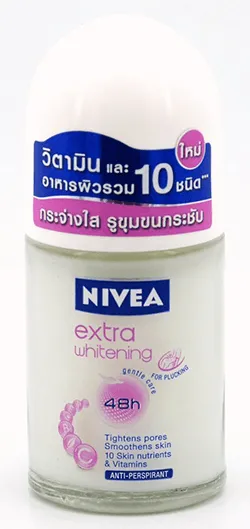
While some ingredients are beneficial, others can irritate the skin and worsen hyperpigmentation. Avoid whitening deodorants that contain high concentrations of alcohol, as it can dry out and irritate the skin. Fragrances, especially synthetic ones, can also cause irritation and allergic reactions, leading to inflammation and darkening. Products containing harsh chemicals or irritants should be avoided, as they can worsen the condition. Always check the ingredient list and do a patch test before applying the deodorant to the entire underarm area to ensure it doesn’t cause any adverse reactions.
Effectiveness of Whitening Deodorant
The effectiveness of whitening deodorant varies depending on several factors, including the specific ingredients used, the severity of the hyperpigmentation, and individual skin type. While some users experience noticeable lightening within a few weeks, others may see minimal results. Consistent use of a whitening deodorant, combined with other skincare practices, is usually necessary to achieve visible improvements. It’s crucial to manage expectations and understand that results may not be immediate or dramatic for everyone. Patience and consistency are key to seeing the best results.
Factors Influencing Results
Several factors influence the effectiveness of whitening deodorants. The concentration and type of active ingredients play a significant role. Products with higher concentrations of effective ingredients like Vitamin C or niacinamide tend to produce better results. The severity of the hyperpigmentation also impacts how quickly and effectively the deodorant works. Mild discoloration may respond more quickly than severe cases. Individual skin type and sensitivity also affect results, with some skin types being more prone to irritation or adverse reactions. Following the product’s instructions and incorporating other skincare practices, like exfoliation, can also boost effectiveness.
Scientific Evidence and Studies

While there isn’t an abundance of large-scale clinical studies specifically on whitening deodorants, many of the active ingredients found in these products have been extensively studied for their skin-lightening properties. Vitamin C, niacinamide, kojic acid, and alpha arbutin are well-researched ingredients with proven efficacy in reducing hyperpigmentation. Research has shown that these ingredients can inhibit melanin production, promote cell turnover, and improve skin tone. However, the overall effectiveness of a whitening deodorant depends on the formulation and the specific combination of ingredients used. Always refer to the ingredient list and research the ingredients.
Comparing Whitening Deodorant with Other Methods
Whitening deodorants are just one of several methods for addressing underarm hyperpigmentation. Other options include over-the-counter topical creams and serums containing skin-lightening agents like hydroquinone, retinoids, or azelaic acid. Professional treatments such as chemical peels and laser therapy can also be effective but are usually more expensive and require visits to a dermatologist. The best approach depends on individual needs and preferences. Whitening deodorants offer a convenient, daily-use option for mild to moderate hyperpigmentation. More severe cases may require a combination of treatments.
Benefits of Whitening Deodorant
Whitening deodorants offer several advantages. They are easy to incorporate into a daily skincare routine, making them a convenient option for many individuals. They are typically less expensive than professional treatments and are readily available over the counter. Many whitening deodorants also function as regular deodorants, providing odor protection and sweat reduction in addition to skin-lightening benefits. This dual functionality makes them a practical choice for everyday use. The ability to address multiple concerns with a single product can save time and effort.
Drawbacks and Considerations

Whitening deodorants also have potential drawbacks. Results can take time and may not be as dramatic as with other treatments. Some products may cause irritation or allergic reactions, especially if they contain harsh ingredients. It’s important to carefully read ingredient lists and do a patch test before widespread use. The effectiveness of whitening deodorants varies depending on the product and the individual’s skin type. They may not be suitable for all skin types or levels of hyperpigmentation. Regular application and consistent use are necessary to see results, making it important to choose a product that fits your lifestyle and needs.
Choosing the Right Whitening Deodorant
Selecting the right whitening deodorant involves considering several factors. Prioritize products that contain proven skin-lightening ingredients such as vitamin C, niacinamide, or kojic acid. Avoid products with potentially irritating ingredients like alcohol and fragrances. Consider your skin type and sensitivity, choosing products specifically designed for sensitive skin if needed. Read reviews and research the brand to assess product effectiveness and customer satisfaction. Check for certifications or endorsements from dermatologists. Always perform a patch test to check for adverse reactions before applying the product to the entire underarm area. Selecting the right product is essential to achieve desired results.
Types of Whitening Deodorants
Whitening deodorants come in various forms, including roll-ons, sticks, sprays, and creams. Roll-ons and sticks are popular for their ease of application and precise control. Sprays offer a quick and convenient option, while creams may provide added moisturization. Each type has its pros and cons. Consider your personal preferences, the product’s ingredients, and the ease of application when choosing. Make sure you find the type that best fits your lifestyle and skincare routine.
Tips for Effective Use

Maximize the effectiveness of your whitening deodorant by following these tips. Apply the deodorant to clean, dry underarms. Exfoliate the underarm area regularly, either with a gentle scrub or a chemical exfoliant, to remove dead skin cells and enhance product absorption. Avoid shaving or waxing immediately before applying the deodorant, as this can increase irritation. Wear loose-fitting clothing to minimize friction and allow your skin to breathe. Combine the use of your whitening deodorant with other skin-lightening methods, if recommended by a dermatologist. Be patient and consistent with your application for the best results.
Maintaining Results and Aftercare
Maintaining the results of whitening deodorant requires ongoing care and attention. Continue using the deodorant as directed to prevent the recurrence of hyperpigmentation. Protect your underarms from sun exposure by wearing sun-protective clothing or applying a broad-spectrum sunscreen. Avoid harsh chemicals and irritants, such as alcohol-based products and certain fragrances. Continue with regular exfoliation to remove dead skin cells and keep your underarms smooth. If hyperpigmentation persists or worsens, consult a dermatologist for further guidance and treatment options. Consistent care and attention are the keys to achieving and maintaining lighter underarms.
In conclusion, while whitening deodorants can be effective, their performance depends on the ingredients, the user’s skin type, and the severity of the hyperpigmentation. When used correctly, these products can help lighten the underarm area and improve skin tone. However, it’s essential to manage expectations and be patient, as results may not be immediate. With the right approach, whitening deodorants can be a valuable addition to your skincare routine, helping you achieve brighter and more even-toned underarms.