
Understanding Teeth Whitening with Blue Minerals
Achieving a brighter, more confident smile is a common goal, and the world of teeth whitening offers numerous paths to this destination. Among the options, natural methods are gaining popularity for their gentle approach and the potential to avoid harsh chemicals. This guide explores the realm of natural teeth whitening, with a special focus on blue minerals and seven effective methods to brighten your smile. We’ll delve into the science, explore the benefits, and provide practical advice to help you achieve your desired results.
What are Blue Minerals?
Blue minerals in the context of teeth whitening usually refer to mineral-based products that contain blue pigments. These products work by creating an optical illusion of whiter teeth. The blue pigments counteract the yellow undertones of teeth, making them appear brighter. They are often found in toothpaste, mouthwashes, and whitening strips. While not a direct whitening agent, they enhance the visual appearance of teeth. Understanding this aspect is critical when considering whitening options, as it can help you set realistic expectations and choose the most effective methods for your needs.
The Science Behind Blue Minerals and Whitening
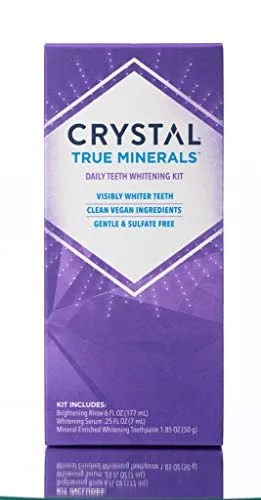
The effectiveness of blue minerals hinges on the principles of color theory. Yellow and blue are complementary colors, which means they sit opposite each other on the color wheel. When a blue substance is applied to the teeth, it subtly cancels out the yellow hues, creating a brighter, whiter visual effect. This is not the same as actual bleaching, which chemically alters the tooth enamel. Instead, blue minerals use a form of color correction to enhance the appearance of your teeth. This is why these products are often used in conjunction with other whitening methods to improve overall results. Products containing blue minerals can provide an instant, albeit temporary, whitening effect.
Why Choose Natural Whitening?
The allure of natural teeth whitening lies in its gentle approach and the avoidance of harsh chemicals often found in conventional treatments. Many individuals seek natural alternatives due to concerns about potential side effects, such as tooth sensitivity or gum irritation, that can sometimes be associated with strong bleaching agents. Natural methods often incorporate ingredients that are readily available and known for their beneficial properties. This can lead to a more holistic approach to oral care, promoting not only a brighter smile but also overall oral health. Embracing natural teeth whitening can be a rewarding journey for those seeking a healthier and more sustainable path to a radiant smile.
Top 7 Natural Teeth Whitening Methods
Oil Pulling

Oil pulling is an ancient Ayurvedic practice that involves swishing oil in your mouth to remove bacteria and toxins. The concept is that the oil acts as a cleanser, pulling away impurities from the teeth and gums. Common oils used for oil pulling include coconut oil, sesame oil, and sunflower oil. While the whitening effects are gradual, oil pulling can contribute to overall oral health by reducing plaque buildup and freshening breath. Consistent practice can lead to a cleaner mouth and, over time, a naturally brighter smile.
How to Perform Oil Pulling
To perform oil pulling, take about a tablespoon of oil (typically coconut oil) and swish it around in your mouth for 15–20 minutes. Make sure the oil reaches all areas of your mouth, including between your teeth. Do not swallow the oil, as it will be filled with bacteria and toxins. After swishing, spit the oil into a trash can to avoid clogging your sink. Rinse your mouth with water and brush your teeth as usual. For best results, oil pull first thing in the morning before eating or drinking.
Benefits of Oil Pulling for Teeth
Beyond teeth whitening, oil pulling offers numerous benefits for oral health. It can reduce plaque and gingivitis, helping to prevent tooth decay and gum disease. By eliminating harmful bacteria, it promotes fresher breath and a healthier mouth. Some people also report that oil pulling helps reduce dryness in the mouth and strengthens the gums. Regular oil pulling, as part of a complete oral hygiene routine, can contribute to a healthier, brighter smile and improved overall well-being.
Baking Soda and Hydrogen Peroxide

Baking soda and hydrogen peroxide have long been used as a natural teeth whitening combination. Baking soda acts as a mild abrasive, helping to remove surface stains, while hydrogen peroxide is a mild bleaching agent. When combined, these two ingredients can provide a noticeable whitening effect. It’s crucial to use these ingredients carefully and in moderation to avoid damaging the enamel. Consistent, yet judicious, use can contribute to a brighter smile over time.
Mixing and Application Guide
To use baking soda and hydrogen peroxide for teeth whitening, mix a small amount of baking soda (about a teaspoon) with enough hydrogen peroxide to create a paste. Gently brush your teeth with the paste for about two minutes, then rinse thoroughly with water. You can repeat this process once or twice a week. It is not recommended to do this daily, as excessive abrasion can damage your enamel. Always consult your dentist to ensure this method is suitable for your teeth.
Precautions and Safety
While baking soda and hydrogen peroxide can be effective, it is important to take precautions. Avoid brushing too hard, as this can damage your enamel. If you experience increased tooth sensitivity, stop using the mixture immediately. Always consult your dentist before trying this method, especially if you have existing dental issues or sensitive teeth. Overuse can lead to enamel erosion and increase the risk of cavities and other dental problems. Moderation and professional guidance are key to ensuring safety.
Activated Charcoal

Activated charcoal has become a popular teeth whitening remedy due to its ability to absorb stains and impurities. Made from coconut shells, wood, or other materials, activated charcoal is processed to create a porous structure that can trap particles. This can help remove surface stains from teeth, leading to a brighter appearance. While some find it highly effective, it’s important to use it carefully and understand its limitations. Always follow the instructions provided and take necessary precautions for the best results.
How Charcoal Works
Activated charcoal works by adsorbing stains and impurities on the surface of teeth. Its porous structure acts like a magnet, attracting and trapping particles like coffee, tea, and wine stains. The abrasive nature of activated charcoal also helps to scrub away these stains. It’s important to understand that activated charcoal does not bleach the teeth; instead, it removes external stains. Using it regularly, along with other oral hygiene practices, can help maintain a brighter smile.
Application Tips
To use activated charcoal, wet your toothbrush and dip it into the charcoal powder. Brush your teeth gently for about two minutes, paying attention to all surfaces. Rinse thoroughly with water, and repeat until all traces of charcoal are removed. Be prepared for a messy process, as charcoal can stain. Use it a few times a week, but not daily, to avoid potential enamel wear. Always consult with your dentist before starting any new teeth whitening regimen.
Coconut Oil

Coconut oil is not only a staple in cooking and skincare, but it is also a versatile ingredient in oral care. It contains lauric acid, which has antibacterial properties. When used for teeth whitening, it can help remove surface stains and promote a healthier mouth. In addition to its whitening capabilities, coconut oil may also reduce plaque and prevent the formation of cavities. Consider adding this natural ingredient to your daily routine for a cleaner and brighter smile. It’s a gentle, yet effective, way to enhance your oral hygiene.
Coconut Oil Usage
Coconut oil can be used in several ways for teeth whitening. One common method is oil pulling, as mentioned earlier. Another option is to add a small amount of coconut oil to your toothbrush along with your toothpaste. Brush your teeth as usual, ensuring you reach all surfaces. You can also create a DIY whitening paste by mixing coconut oil with baking soda. This combination enhances the whitening effects while still being gentle on your teeth. Experiment with different methods to find what suits you best.
Advantages of Coconut Oil
Coconut oil offers several advantages for teeth whitening and oral health. Its antibacterial properties help fight bacteria and reduce plaque buildup. The oil’s gentle abrasive action helps remove surface stains, resulting in a brighter smile. Many people enjoy the pleasant taste and texture of coconut oil. It’s also a natural alternative to chemical-based whitening products, making it a safe choice for individuals with sensitive teeth. Incorporating coconut oil into your routine can significantly improve your oral hygiene and contribute to a healthier, whiter smile.
Lemon Juice and Baking Soda
Lemon juice and baking soda is another popular DIY teeth whitening method. The acidity of lemon juice can help to bleach the teeth, while baking soda acts as a mild abrasive. However, this combination requires caution due to the high acidity of lemon juice, which can erode enamel. It is crucial to use this method sparingly and with careful consideration for the health of your teeth. Consulting with your dentist before using this method is always recommended to avoid potential risks.
Preparation and Use
To use lemon juice and baking soda, mix a small amount of each ingredient to form a paste. Apply the paste to your teeth and leave it on for a short period, no more than a minute. Then, rinse thoroughly with water. It’s crucial not to leave the paste on for too long, as the acid can damage the enamel. Many people find the taste of lemon juice unpleasant, so it’s important to tolerate the experience. Remember to use this method infrequently, perhaps once a week, or even less, to minimize any risks.
Risks and Considerations
The primary risk of using lemon juice and baking soda is enamel erosion. The citric acid in lemon juice can weaken the enamel, making teeth more susceptible to decay and sensitivity. Over time, this can lead to permanent damage and affect the overall health of your teeth. If you experience any sensitivity or discomfort, discontinue use immediately. Always consult with your dentist before using this method to ensure it’s appropriate for your oral health and to discuss alternative options that are safer and more effective.
Apple Cider Vinegar
Apple cider vinegar (ACV) is sometimes used for teeth whitening due to its acidic properties. However, like lemon juice, ACV can be harsh on the enamel and should be used with extreme caution. The potential benefits come from its ability to remove surface stains. It is essential to dilute the ACV and use it sparingly to avoid damage. Consider consulting with your dentist to discuss if this method is safe for your teeth and receive professional advice.
How to Use Apple Cider Vinegar
To use apple cider vinegar for teeth whitening, dilute it with water. Mix one part ACV with two parts water. Swish the diluted solution around your mouth for about a minute, and then rinse thoroughly with water. Never use undiluted ACV, as this can cause significant damage to the enamel. As with other acidic treatments, use this method infrequently, perhaps once or twice a week at most. Monitor your teeth for any signs of sensitivity or enamel erosion, and stop using it if you experience any adverse effects.
Potential Benefits
Proponents of apple cider vinegar for teeth whitening suggest that it can help remove stains and freshen breath. The antibacterial properties may also contribute to overall oral health. However, the potential benefits must be weighed against the risk of enamel erosion. Always prioritize the health of your teeth by using ACV with caution and consulting your dentist. Combining ACV with other oral hygiene practices, such as brushing and flossing, can help you achieve the desired results while protecting your teeth.
Strawberries
Strawberries are often touted as a natural teeth whitening remedy. The malic acid found in strawberries is thought to act as a natural astringent that removes surface stains. While strawberries can provide some stain removal, their effectiveness is limited, and they should not be considered a primary whitening solution. It’s important to consider the overall oral health benefits and potential drawbacks before incorporating strawberries into your teeth whitening routine.
Using Strawberries for Whitening
To use strawberries for teeth whitening, mash a fresh strawberry and mix it with a small amount of baking soda to create a paste. Apply the paste to your teeth and leave it on for a few minutes before rinsing. Alternatively, you can rub a sliced strawberry directly onto your teeth. After using strawberries, make sure to brush your teeth thoroughly to remove any remaining residue and prevent the buildup of sugars that can contribute to decay. Moderation is essential when using strawberries for teeth whitening.
Limitations of Strawberries
The whitening effects of strawberries are minimal compared to other methods. They are not effective in penetrating the enamel to change the color of your teeth. The natural sugars in strawberries can contribute to tooth decay if not properly removed. Overuse can also lead to enamel erosion due to the presence of malic acid. Strawberries are best used as an occasional adjunct to a complete oral hygiene routine. Always prioritize brushing and flossing to maintain healthy teeth and gums.
Blue Minerals Whitening Products
Blue minerals are often found in toothpaste, mouthwashes, and whitening strips. They use blue pigments to create an optical illusion of whiter teeth. While these products don’t directly whiten the teeth, they can provide an immediate, temporary brightening effect. They work by counteracting yellow tones. It’s important to be realistic about the results and use these products in conjunction with other whitening methods for maximum impact. Always choose products from reputable brands and follow the usage instructions carefully.
How to Choose the Right Product
When choosing a blue mineral product, consider the brand’s reputation and any scientific backing for the claims. Look for products that also contain other beneficial ingredients, such as fluoride, which helps protect your teeth from decay. Read reviews from other users to get an idea of their experiences. Consult your dentist if you have specific concerns or questions about which product to use. Always ensure the product is safe for your teeth and does not cause sensitivity or irritation. Look for products that are easy to incorporate into your daily routine.
Reading Product Labels
Carefully read product labels to understand the ingredients and their functions. Look for the concentration of blue pigments and any other active ingredients. Pay attention to any warnings or precautions, such as potential sensitivity or irritation. Check the expiry date to ensure the product is still effective. Understanding the labels can help you set realistic expectations about the results. If you’re unsure about any ingredient, consult with your dentist or pharmacist.
Proper Usage
Follow the instructions provided by the product manufacturer. Typically, you will use the product as part of your regular oral hygiene routine, such as brushing with a blue mineral toothpaste. Avoid overuse, as excessive brushing or rinsing can damage the enamel. For whitening strips, adhere to the recommended application time. Always be patient, as results may not be immediately apparent. Consistency is crucial. If you experience any side effects, stop using the product and consult with your dentist.
Maintaining Your White Smile
Maintaining a white smile requires more than just teeth whitening treatments. It involves a comprehensive approach that includes good oral hygiene, a healthy diet, and regular dental check-ups. By incorporating these practices into your daily routine, you can ensure your smile remains bright and healthy for years to come. Consider it a long-term commitment to oral care that provides both aesthetic and health benefits.
Oral Hygiene Routine
Proper oral hygiene is the cornerstone of maintaining a white smile. Brush your teeth twice a day for two minutes each time using fluoride toothpaste. Floss daily to remove plaque and food particles from between your teeth. Use mouthwash to rinse your mouth and freshen your breath. Consider using an electric toothbrush for more effective plaque removal. Following a consistent oral hygiene routine is essential for keeping your teeth healthy and white.
Dietary Considerations
Your diet significantly impacts the appearance and health of your teeth. Limit your consumption of staining foods and drinks, such as coffee, tea, red wine, and berries. When consuming these items, rinse your mouth with water afterward to minimize staining. Eat a balanced diet rich in fruits and vegetables, which can naturally clean your teeth. Consider eating crunchy fruits and vegetables, such as apples and carrots, which can act as natural tooth scrubbers. Avoid sugary snacks and drinks, as they can contribute to tooth decay.
Regular Dental Check-ups
Regular dental check-ups and cleanings are crucial for maintaining a white and healthy smile. Dentists can remove plaque and tartar, which can cause staining and lead to other dental problems. During check-ups, your dentist can identify and address any potential issues, such as cavities or gum disease, before they worsen. They can also provide professional teeth whitening treatments if desired. Schedule regular appointments, typically every six months, to ensure your teeth remain in excellent condition. Listen to your dentist’s advice and follow their recommendations to maximize your oral health.