The Power of Baking Soda for Teeth Whitening
Are you dreaming of a brighter, more confident smile? Many people turn to various methods to whiten their teeth, and one readily available and often surprisingly effective option is baking soda. Baking soda, or sodium bicarbonate, is a mild abrasive and has been used for centuries for cleaning purposes. In the realm of oral hygiene, it has gained popularity as a potential teeth-whitening agent. This article delves into the science behind baking soda’s whitening capabilities, how to safely use it, and what you should know before adding it to your dental routine. With a bit of knowledge and care, baking soda could be a helpful tool on your journey to a dazzling smile.
Understanding How Baking Soda Works
Baking Soda’s Abrasive Nature and Stain Removal

Baking soda works primarily through its mild abrasive qualities. When you brush with baking soda, the tiny particles gently scrub away surface stains caused by foods, drinks (like coffee, tea, and red wine), and tobacco. These stains adhere to the enamel, and over time, they can make your teeth appear dull or discolored. The abrasive action of baking soda helps to lift these stains, revealing the natural whiteness of your teeth. While not a bleaching agent, this physical removal can significantly improve the appearance of your smile. It is important to use it carefully, avoiding excessive force or frequency to prevent any damage to your enamel.
The Importance of pH Levels and Neutralization
Baking soda also has a slight alkaline pH. This can help neutralize acids in your mouth. These acids, often produced by bacteria that feed on food particles, can erode enamel and contribute to tooth decay. By creating a less acidic environment, baking soda can indirectly contribute to better oral health. However, its primary function in teeth whitening is the removal of stains through abrasion. The pH factor plays a supporting role by creating a healthier environment that also benefits the overall dental health. This balance is important, and it’s crucial to remember that baking soda should not be used as a complete replacement for regular brushing with fluoride toothpaste.
Preparing Baking Soda for Teeth Whitening
The Baking Soda Paste Recipe

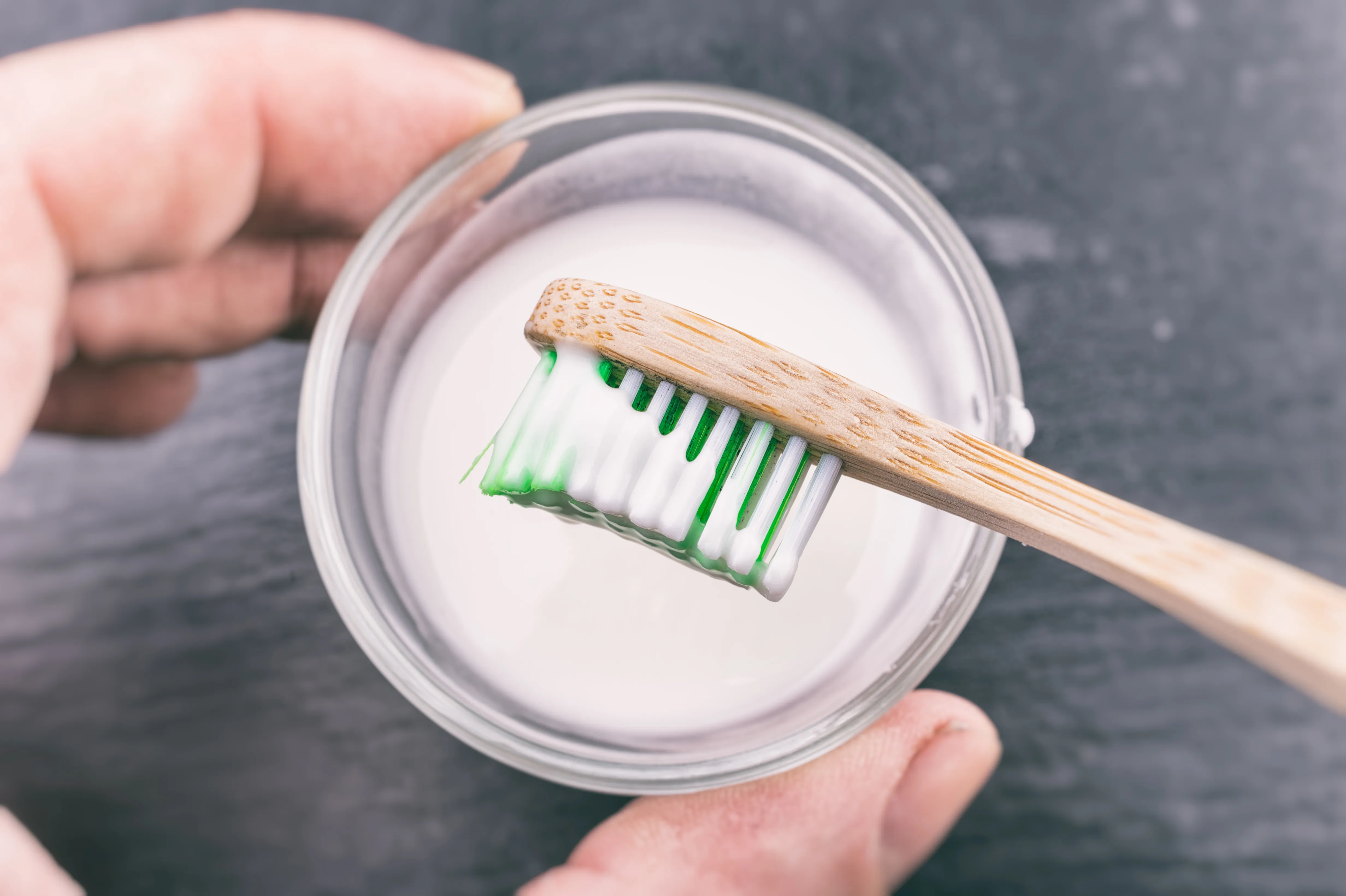
Making a baking soda paste is simple, requiring just a few basic ingredients. The most common recipe involves combining baking soda with water to create a paste-like consistency. This method allows you to control the abrasiveness of the mixture by adjusting the ratio of baking soda to water. Another method includes using baking soda with toothpaste. It will provide the benefits of both baking soda and toothpaste. Always use a soft-bristled toothbrush to minimize any potential damage to the enamel. This simple recipe allows you to harness the cleaning and whitening power of baking soda with minimal effort.
Ingredients and Their Roles
The primary ingredient, of course, is baking soda. Make sure to use pure baking soda, commonly found in the baking section of most grocery stores. The water acts as a binder, creating the paste and making it easier to apply. Other optional ingredients include a few drops of peppermint essential oil for flavor and additional antibacterial properties. Some people include a small amount of hydrogen peroxide, however, it is important to consult with a dentist before combining baking soda and hydrogen peroxide, as the combination can increase the risk of enamel erosion. The combination depends on the individual’s oral health and sensitivity.
Step-by-Step Guide to Making the Paste
Start by placing a small amount of baking soda (about a teaspoon) into a small, clean container. Gradually add water, a few drops at a time, mixing with a spoon or your toothbrush until you achieve a paste-like consistency. The paste should not be too thick or too thin, but rather spread easily on your teeth. If you’re using essential oil, add one or two drops and mix well. Before applying the paste, it’s essential to brush your teeth with regular toothpaste to remove any food particles. This step is crucial for ensuring the baking soda can effectively work on the stains without obstruction. This process ensures you are using the solution safely and achieving the best possible results. Remember to rinse your mouth thoroughly before and after applying the paste.
Application Techniques for Baking Soda

Brushing with Baking Soda
Apply the baking soda paste to your toothbrush, making sure to cover the bristles evenly. Brush your teeth gently in small, circular motions for about one to two minutes. Be thorough, but avoid applying too much pressure. Ensure that you cover all surfaces of your teeth, including the front, back, and chewing surfaces. After brushing, spit out the paste and rinse your mouth thoroughly with water to remove any remaining particles. You can also use a mouthwash to ensure that you have cleaned every part of your mouth. This gentle approach ensures that the baking soda can effectively remove stains without causing any damage to your enamel.
Frequency and Duration
It’s essential not to overdo it with baking soda. Using it too frequently can wear down your enamel, leading to increased sensitivity and potential dental problems. For best results and to minimize risks, limit brushing with baking soda to once or twice a week. This frequency allows you to take advantage of its stain-removing properties without over-exposing your teeth. It’s also recommended to alternate between brushing with baking soda and your regular fluoride toothpaste to provide the necessary benefits. For a long duration, it is recommended to limit the brushing time to one to two minutes. It is vital to listen to your mouth and consult your dentist if you experience any sensitivity or discomfort.
Avoiding Over-Brushing and Enamel Damage

To avoid enamel damage, use a soft-bristled toothbrush. Apply gentle pressure while brushing. Never scrub your teeth vigorously, as this can accelerate enamel erosion. Also, make sure not to brush for too long. A one- to two-minute duration is usually sufficient. If you experience any increase in tooth sensitivity or pain, immediately discontinue the use of baking soda and consult your dentist. These symptoms may indicate that your enamel is thinning, and you need professional dental advice. Always prioritize the health of your teeth over cosmetic goals. It is better to be cautious, so you can protect your dental health.
Baking Soda Mouthwash
Besides brushing, you can also use baking soda as a mouthwash. To prepare it, dissolve half a teaspoon of baking soda in a cup of water. Swish the solution around your mouth for about 30 seconds, ensuring it reaches all areas. This method helps to neutralize acids and freshen breath. While not a primary teeth-whitening method, the mouthwash can support oral health and indirectly contribute to a brighter smile. Always remember to spit out the solution after rinsing and do not swallow. The mouthwash can be a useful addition to your oral hygiene routine, but not a complete replacement for regular brushing and flossing.
How to Rinse and Benefits
After swishing with baking soda mouthwash, rinse your mouth thoroughly with water. The benefits include a freshened breath, and a slight reduction in the acidity in your mouth. This promotes a healthier environment for your teeth and gums. The rinsing helps to remove any remaining baking soda particles and any loosened debris. Regular use of baking soda mouthwash can contribute to overall oral health. It is a simple and effective way to complement your daily oral hygiene regimen.
Whitening Your Teeth

Baking soda can play a role in whitening your teeth, but the results will vary depending on your individual tooth condition and the type of stains you have. It’s best suited for removing surface stains. Remember that baking soda is not a substitute for professional teeth whitening treatments, which often use stronger bleaching agents to achieve more dramatic and long-lasting results. For optimal results, combine baking soda with a healthy oral hygiene routine that includes regular brushing with fluoride toothpaste, flossing, and professional dental checkups. The combination of these methods ensures a healthier, brighter smile.
How to Maximize Results and Prevent Damage
To maximize the whitening effects of baking soda while minimizing potential damage, follow the recommended guidelines. Use baking soda only once or twice a week. Brush gently, using a soft-bristled toothbrush. Avoid excessive pressure and prolonged brushing. Maintain a consistent oral hygiene routine that includes brushing with fluoride toothpaste, flossing, and regular dental checkups. These steps support the natural whitening process and protect your teeth. The key is balance and moderation. You can improve the appearance of your teeth and overall oral health by following these practices.
Combining with Other Whitening Agents
Some people combine baking soda with other teeth-whitening agents, such as hydrogen peroxide, but proceed with caution. While hydrogen peroxide is a bleaching agent that can enhance whitening, combining it with baking soda can increase the risk of enamel erosion. If you plan to combine these ingredients, consult with your dentist first to determine if it’s appropriate for your specific situation. They can advise you on the correct proportions and frequency. It’s important to prioritize the health of your teeth and gums. You can achieve the best results by combining baking soda with other methods that support oral hygiene.
Things to Avoid After Application

After brushing with baking soda, avoid consuming highly acidic foods or drinks for at least an hour. These include citrus fruits, soda, and vinegar-based dressings. The enamel might be slightly softened immediately after brushing. These acidic substances can increase the risk of enamel erosion. Additionally, avoid using any other abrasive products immediately after using baking soda. Give your enamel some time to recover and re-mineralize. Following these guidelines can help you minimize potential risks and optimize the benefits of baking soda. It is also important to maintain a consistent oral hygiene routine that supports and protects your dental health.
Other Important Considerations
Potential Risks and Side Effects
While baking soda is generally safe when used in moderation, there are potential risks and side effects. The most significant concern is enamel erosion. Overuse or aggressive brushing can wear down the enamel, leading to increased tooth sensitivity, increased risk of cavities, and potential damage to the teeth. Some people may experience gum irritation or bleeding. If you experience any of these side effects, discontinue the use of baking soda immediately and consult with your dentist. They can examine your oral health and determine if any damage has occurred. They can also recommend alternative methods to address your whitening goals.
Consulting Your Dentist
Before incorporating baking soda into your oral hygiene routine, it’s always wise to consult with your dentist. They can assess the condition of your teeth and gums and advise whether baking soda is a safe and appropriate option for you. Your dentist can determine if you have any pre-existing conditions, such as enamel erosion or gum disease, that might make using baking soda inadvisable. They can provide personalized recommendations based on your unique needs and provide you with safe and effective whitening. They can also guide you on proper brushing techniques to minimize the risk of enamel damage.
Alternative Teeth Whitening Methods
If you’re looking for more potent or faster teeth-whitening results, consider alternative methods. Professional teeth whitening treatments by a dentist use higher concentrations of bleaching agents. This can achieve dramatic results in a short amount of time. Over-the-counter whitening strips and gels are readily available. They are effective for removing surface stains. The best choice for you depends on your individual needs, your budget, and your desired outcomes. The right combination ensures a healthy, brighter smile.
Frequently Asked Questions About Baking Soda
Baking soda can be an effective and affordable option for teeth whitening. When used safely and in moderation, it can remove surface stains and improve the appearance of your smile. It’s not a replacement for regular dental care or professional treatments. You can achieve a brighter and healthier smile by following the recommended guidelines. Always listen to your body, and seek professional dental advice if you have any concerns or experience any adverse effects. Proper oral hygiene and professional care will keep your teeth healthy.