
Understanding Dark Knees Causes and Prevention
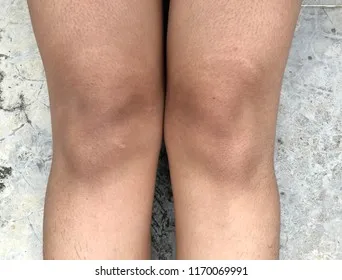
Dark knees can be a source of self-consciousness for many, but understanding the causes behind this common issue is the first step toward effective solutions. The darkening of the skin on the knees, often referred to as hyperpigmentation, can result from a variety of factors, ranging from simple skin irritation to underlying medical conditions. Identifying the specific cause in your case will help you choose the most appropriate and effective treatment options. This article delves into the common causes, provides insights into the science behind hyperpigmentation, and offers preventative measures to help you achieve lighter, more even-toned knees.
Common Causes of Dark Knees
Several factors contribute to the darkening of knees. Friction from clothing or constant pressure, such as kneeling, can cause irritation and inflammation, leading to increased melanin production and skin darkening. Skin conditions like eczema or psoriasis can also trigger hyperpigmentation in the affected areas. Genetics plays a role, as some individuals are more prone to hyperpigmentation. Hormonal changes, particularly during pregnancy, can also affect skin pigmentation. Additionally, certain medications can increase sensitivity to sunlight, exacerbating the darkening of the skin. Understanding these causes will help you tailor your approach to lighten the knees.
Hyperpigmentation Explained

Hyperpigmentation is a condition where patches of skin become darker than the surrounding areas. This occurs when an excess of melanin, the pigment that gives skin its color, forms deposits in the skin. In the case of knees, this can be triggered by inflammation, injury, or irritation. The body responds to these stimuli by producing more melanin, which leads to the darker appearance. The depth of the pigmentation can vary, influencing the effectiveness of different treatments. Understanding the process of melanin production is crucial for grasping how various remedies work to lighten the skin. The key is to reduce melanin production and promote cell turnover to reveal lighter skin.
Preventative Measures
Preventing dark knees involves taking proactive steps to minimize irritation and protect the skin. Avoiding prolonged kneeling or pressure on the knees can help reduce friction and inflammation. Wearing loose-fitting clothing, especially pants, can also lessen the amount of rubbing against the skin. Regularly moisturizing the knees keeps the skin hydrated and healthy, reducing the likelihood of dryness and irritation. Using sunscreen with a high SPF on the knees whenever they are exposed to the sun is crucial, as sun exposure can worsen hyperpigmentation. Incorporating these preventative measures into your daily routine can significantly reduce the risk of developing dark knees and promote overall skin health.
Top 5 Home Remedies to Whiten Knees
Lemon Juice The Natural Whitening Agent

Lemon juice is renowned for its natural bleaching properties, primarily due to its high citric acid content. This acid acts as a gentle exfoliator, helping to remove dead skin cells and revealing the lighter skin underneath. The vitamin C in lemon juice also helps to inhibit melanin production, further contributing to the lightening effect. Using lemon juice regularly can significantly improve the appearance of dark knees. It is readily available and easy to incorporate into your skincare routine. However, always perform a patch test before applying it to a larger area, as lemon juice can sometimes cause irritation, especially on sensitive skin.
How to use Lemon Juice
To use lemon juice, cut a fresh lemon in half and rub one half directly onto your knees. You can also squeeze the juice into a small bowl and apply it with a cotton ball. Allow the juice to sit on your knees for about 15–20 minutes before rinsing with cool water. It’s best to do this daily, or every other day, for the best results. Remember to moisturize your knees after rinsing to prevent dryness. If you have sensitive skin, dilute the lemon juice with water or honey to reduce potential irritation. Continuous use of lemon juice, combined with other remedies, can contribute to the gradual lightening of dark knees.
Baking Soda and Milk The Gentle Exfoliator
Baking soda, with its slightly abrasive texture, acts as an effective exfoliator, while milk helps soothe and moisturize the skin. When combined, they create a gentle scrub that removes dead skin cells and lightens the skin. Baking soda helps to buff away the surface layer of darkened skin, promoting cell turnover. Milk contains lactic acid, another gentle exfoliant, which aids in breaking down dead skin cells. This combination is gentle enough for regular use, making it an excellent remedy for knee whitening. The dual action of exfoliation and moisturization ensures that the skin becomes lighter and smoother, improving its overall texture and tone.
How to use Baking Soda and Milk

Mix baking soda with milk to form a paste. Apply the paste to your knees and gently scrub in circular motions for a few minutes. Rinse thoroughly with warm water. Follow up with a moisturizer to keep your skin hydrated. Use this scrub two to three times a week for optimal results. You can adjust the ratio of baking soda to milk to achieve the desired consistency. If you find the scrub too abrasive, add more milk to soften it. Consistency is key with this remedy; regular use will lead to noticeable improvements in the appearance of your knees, promoting a brighter and more even skin tone.
Turmeric and Yogurt The Anti-inflammatory Remedy
Turmeric is a powerful anti-inflammatory and antioxidant agent, and it has been used in skincare for centuries. Curcumin, the active compound in turmeric, helps reduce inflammation and inhibits melanin production. Yogurt contains lactic acid, similar to milk, which gently exfoliates and brightens the skin. The combination of turmeric and yogurt provides a holistic approach to skin lightening, addressing both inflammation and pigmentation. This remedy is suitable for all skin types and is particularly beneficial for those whose dark knees are caused by irritation or inflammation. The regular application of this mixture helps to brighten the skin and improve its overall health.
How to use Turmeric and Yogurt
Mix turmeric powder with yogurt to form a thick paste. Apply this paste to your knees and let it sit for 15–20 minutes. Rinse with lukewarm water. Use this mask two to three times per week. For enhanced effectiveness, you can add a few drops of honey, which has moisturizing and antibacterial properties. Be cautious when applying turmeric, as it can stain clothes; therefore, it’s best to wear old clothes during the application. This mask offers not only skin-lightening benefits but also improves the overall health and appearance of your skin.
Aloe Vera The Soothing Healer

Aloe vera is celebrated for its soothing and healing properties. It contains compounds that can reduce inflammation and promote skin cell regeneration. While not a direct whitening agent, aloe vera helps to heal the skin, reducing irritation and promoting a healthier complexion. The calming effect of aloe vera makes it suitable for all skin types, especially those prone to sensitivity. Its moisturizing properties also keep the skin hydrated, which is essential for lightening dark knees. Regular use of aloe vera can improve skin texture and reduce the appearance of discoloration, making it a valuable addition to your skincare routine.
How to use Aloe Vera
Apply fresh aloe vera gel directly to your knees. Allow it to absorb into your skin for about 20–30 minutes. Rinse with cool water. You can use aloe vera daily, or as often as needed. For best results, use pure, fresh aloe vera gel extracted from the plant. Aloe vera can also be used as a base for other treatments, such as mixing it with turmeric or lemon juice. Aloe vera not only lightens dark knees but also soothes the skin, which makes it a great choice for post-exfoliation or after sun exposure.
Coconut Oil and Sugar Scrub
Coconut oil is an excellent moisturizer, while sugar acts as a natural exfoliator. The combination of coconut oil and sugar helps to remove dead skin cells, hydrate the skin, and promote cell turnover, leading to lighter knees. Coconut oil provides a smooth base for the scrub, preventing irritation, and keeping the skin moisturized. The gentle exfoliation provided by sugar helps to remove dead skin cells, revealing a lighter complexion underneath. This scrub is particularly effective for dry skin and is a simple, yet effective method for lightening dark knees. The natural ingredients make it a safe and effective alternative for those with sensitive skin, improving skin texture and brightness.
How to use Coconut Oil and Sugar Scrub

Mix equal parts of coconut oil and granulated sugar. Apply the mixture to your knees and gently scrub in circular motions for a few minutes. Rinse thoroughly with warm water. Use this scrub once or twice a week. For added benefits, you can add a few drops of essential oils, such as lavender or tea tree oil. Always moisturize after using this scrub to keep your skin hydrated. This combination will not only help to lighten the knees but also leave the skin feeling soft and rejuvenated.
Lifestyle and Skincare Tips for Knee Whitening
Regular Exfoliation
Exfoliating the knees regularly is a crucial step in any knee-whitening routine. Exfoliation helps to remove the build-up of dead skin cells, which can make the knees appear darker. Regular exfoliation promotes cell turnover, revealing the lighter skin underneath. This process also allows skincare products to penetrate more effectively, maximizing their benefits. The frequency of exfoliation depends on your skin type; however, two to three times a week is often sufficient. Over-exfoliating can irritate the skin, so it’s important to be gentle. Incorporating exfoliation into your routine will help to maintain a brighter, more even skin tone.
Moisturizing Regularly
Keeping your knees moisturized is essential for maintaining healthy skin and preventing dryness, which can exacerbate the appearance of dark knees. Moisturizing regularly helps to keep the skin hydrated, making it more supple and less prone to irritation and friction. Applying a moisturizer after bathing or exfoliating is especially beneficial, as it locks in moisture and prevents dryness. Choose a moisturizer that is suitable for your skin type and contains ingredients like hyaluronic acid, glycerin, or ceramides, which help to hydrate and repair the skin barrier. Consistent moisturizing will improve skin texture and brightness, contributing to a more even skin tone.
Sun Protection
Protecting your knees from the sun is essential for preventing further darkening and maintaining the results of your whitening treatments. Sun exposure stimulates melanin production, which can darken the skin and undo all your efforts. Applying a broad-spectrum sunscreen with an SPF of 30 or higher to your knees every day, especially when exposed to the sun, is crucial. Reapply sunscreen every two hours, or more frequently if swimming or sweating. Protecting your knees from the sun not only prevents further darkening but also helps to maintain healthy skin and protects against premature aging. This is the most important preventative measure for lasting results.
When to See a Dermatologist
While home remedies can be effective, it’s important to know when to consult a dermatologist. If your dark knees are not improving with home treatments, or if you notice any other skin changes like inflammation, pain, or itching, it is best to seek professional medical advice. A dermatologist can diagnose the underlying cause of the hyperpigmentation and recommend more effective treatments, such as prescription creams or chemical peels. If you suspect an underlying medical condition, such as eczema or psoriasis, a dermatologist can provide the appropriate care and guidance. Professional help ensures that you receive the most effective treatment tailored to your skin condition and goals. Do not hesitate to seek professional help.