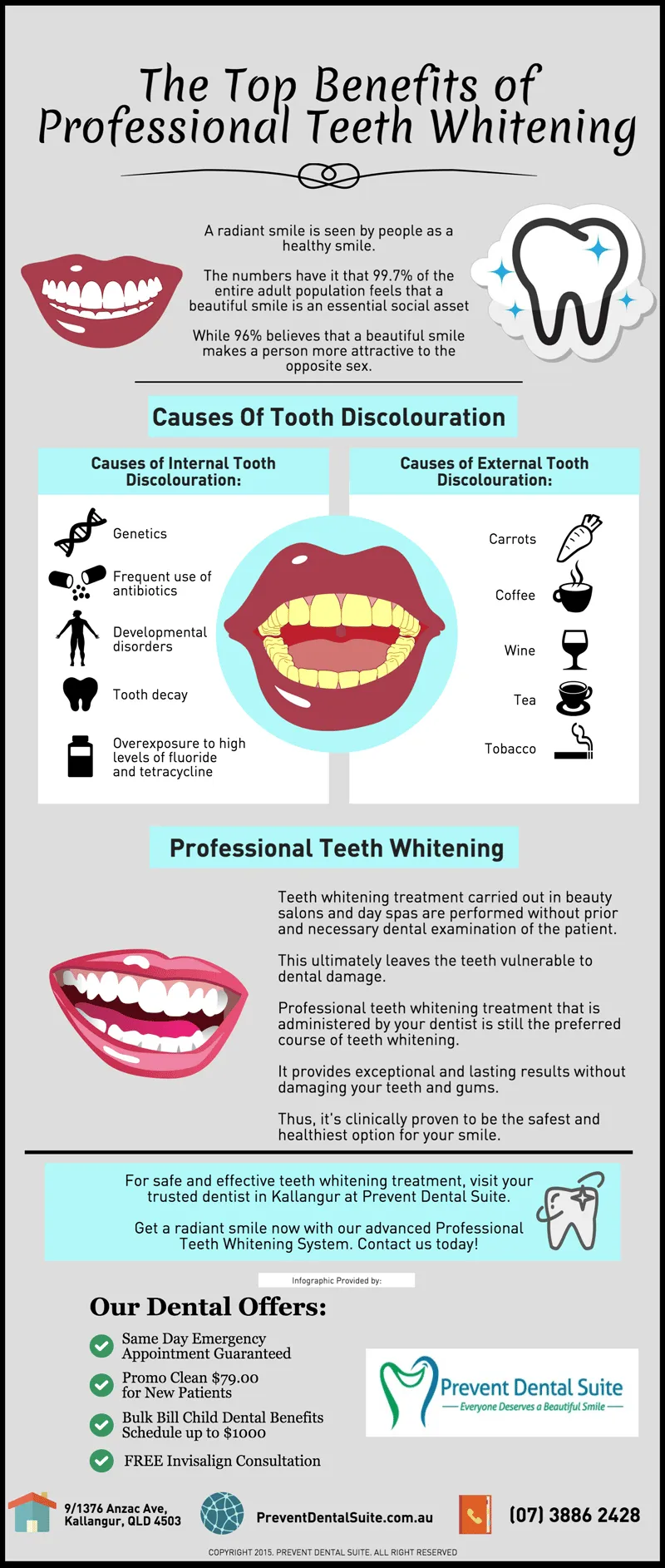
What is Teeth Whitening
Teeth whitening is a popular cosmetic dental procedure designed to lighten the shade of your teeth. It involves using bleaching agents to remove stains and discoloration that accumulate over time. These stains can be caused by various factors, including the foods and drinks we consume, such as coffee, tea, and red wine, as well as lifestyle habits like smoking. The primary goal of teeth whitening is to enhance the appearance of your smile, boosting your confidence and improving your overall aesthetic appeal. The procedure can range from simple over-the-counter treatments to more advanced in-office procedures performed by a dental professional. When considering whether teeth whitening is worth it, understanding what the procedure entails is crucial to assess its benefits and potential drawbacks.
Types of Teeth Whitening
There are several types of teeth whitening options available, each with its own set of advantages and disadvantages. These options vary in terms of cost, convenience, and the degree of whitening achieved. Understanding these different types helps you make an informed decision that aligns with your needs and preferences. Choosing the right method can significantly impact the effectiveness of the treatment and the longevity of the results, so it’s essential to consider all the available choices and consult with a dental professional to determine the best option for your specific situation. The main types of teeth whitening procedures are in-office, take-home, and over-the-counter.
In-Office Whitening

In-office teeth whitening, also known as chair-side bleaching, is performed by a dentist in a professional setting. This method typically involves the application of a high-concentration bleaching agent, often hydrogen peroxide, directly to the teeth. The dentist may use a special light or laser to accelerate the whitening process, enhancing its effectiveness. The entire procedure usually takes about an hour, and patients can see immediate results. This option is ideal for those seeking quick and dramatic results. While in-office whitening is generally more expensive than other methods, the professional supervision and stronger bleaching agents often lead to more significant and lasting whitening effects. The dentist ensures the procedure is safe and monitors for any potential side effects, like tooth sensitivity.
Take-Home Whitening
Take-home whitening kits involve custom-fitted trays made by your dentist to fit your teeth perfectly. You’ll be provided with a bleaching gel, usually containing a lower concentration of hydrogen peroxide or carbamide peroxide than those used in-office. You wear the trays for a specified amount of time each day, as directed by your dentist, over a period of several weeks. This method offers a more gradual whitening process compared to in-office treatments, allowing you to control the whitening intensity. Take-home kits are often more affordable and convenient, allowing you to whiten your teeth in the comfort of your home. However, they require discipline and consistency to achieve the desired results and may not be suitable for those seeking immediate dramatic changes.
Over-the-Counter Whitening
Over-the-counter (OTC) teeth whitening products are readily available at pharmacies and drugstores. These include whitening toothpaste, strips, and gels. OTC products are the most affordable and accessible options, offering a convenient way to whiten your teeth. Whitening toothpaste typically contains mild abrasives or low concentrations of peroxide to remove surface stains. Whitening strips are thin, flexible strips coated with a bleaching agent that you apply directly to your teeth. While these products can provide some degree of whitening, the results are usually less dramatic and take longer to achieve compared to professional treatments. OTC products are generally safe but might not be effective for everyone, especially those with significant staining or underlying dental issues.
Fact 1 The Cost Factor

The cost of teeth whitening varies significantly depending on the type of treatment. In-office whitening is generally the most expensive option, due to the professional expertise, equipment, and stronger bleaching agents involved. Take-home kits provided by a dentist are usually more affordable but still require a dental visit for custom trays. Over-the-counter products are the least expensive, but the overall cost effectiveness depends on the degree of whitening achieved and the duration of results. It is important to consider your budget and the value you place on the results when evaluating the cost. While the initial expense may be a concern, the investment can improve your self-esteem and overall appearance. You should also inquire about any additional costs, such as potential sensitivity treatments, to get the full financial picture.
Fact 2 The Duration of Results
The longevity of teeth whitening results is another crucial factor. The duration of the whitening effects varies depending on the method used, your lifestyle, and your oral hygiene habits. In-office whitening often provides the most immediate and dramatic results, but these can fade over time. Take-home kits provide more gradual but potentially longer-lasting results if maintained correctly. Over-the-counter products generally have the shortest duration. Factors like the consumption of staining foods and drinks (coffee, tea, red wine), smoking, and overall oral care significantly impact how long your white teeth will last. Periodic touch-up treatments, both in-office and at-home, may be necessary to maintain your desired level of whiteness. Proper oral hygiene, including regular brushing, flossing, and dental check-ups, is essential to maximize the results.
Fact 3 The Sensitivity Factor
Tooth sensitivity is a common side effect of teeth whitening, particularly with higher concentrations of bleaching agents. Many individuals experience temporary sensitivity to hot or cold foods and drinks during and after the whitening process. The degree of sensitivity varies from person to person, depending on the individual’s tooth structure and the whitening method used. In-office whitening may cause more intense sensitivity compared to take-home or over-the-counter options due to the stronger chemicals. To minimize sensitivity, dentists often recommend using desensitizing toothpaste before and during the treatment. Avoiding highly acidic foods and drinks can also help. This side effect is usually temporary, subsiding within a few days or weeks after treatment completion. If you experience significant sensitivity, consult your dentist for advice.
Fact 4 The Effectiveness of Teeth Whitening

The effectiveness of teeth whitening depends on the type of stains, the chosen method, and individual factors. Teeth whitening is most effective on extrinsic stains, which are surface stains caused by food, drinks, and smoking. Intrinsic stains, which are deeper stains within the tooth structure, may be more difficult to treat and might require more extensive and professional treatments. Professional treatments, such as in-office and dentist-prescribed take-home kits, usually offer the most dramatic and consistent results. Over-the-counter products can provide some degree of whitening, but their effectiveness is often limited. The degree of whitening also varies based on the natural shade of your teeth; some people naturally have whiter teeth than others. Consulting your dentist can help determine the best whitening method for your specific needs and expected results. They will also assess any underlying dental issues that might affect the procedure.
Fact 5 The Importance of Oral Health
Maintaining good oral health is crucial for the success and longevity of teeth whitening. Before undergoing any whitening procedure, it is essential to have a dental check-up and address any existing dental issues, such as cavities or gum disease. Whitening agents cannot penetrate through fillings, crowns, or other dental restorations, meaning they will not whiten these areas. Good oral hygiene practices, including regular brushing, flossing, and dental cleanings, are necessary to remove surface stains and prevent new ones from forming. Following your dentist’s instructions and using recommended oral care products will help to maximize and maintain your whitening results. Regular dental check-ups are crucial for monitoring your oral health and ensuring your teeth stay healthy and bright. Oral health is fundamental for overall well-being.
Conclusion
Deciding whether teeth whitening is worth it involves weighing the cost, the duration of results, potential sensitivity, effectiveness, and the importance of oral health. In-office whitening offers immediate results but is the most expensive. Take-home kits provide a more gradual whitening at a moderate cost, and over-the-counter products are the most affordable but less effective. The longevity of the results depends on your lifestyle and oral hygiene. While tooth sensitivity is a common side effect, it is usually temporary. Teeth whitening is most effective on extrinsic stains. Ultimately, the decision to undergo teeth whitening is personal. If you prioritize a brighter smile and are willing to invest the time and money, teeth whitening can be a worthwhile investment. Consulting your dentist will help you determine the best method and ensure your teeth whitening experience is both safe and effective.