Understanding Teeth Whitening [Top 5]
Teeth whitening has become a cornerstone of modern cosmetic dentistry, with a multitude of options available to brighten and enhance your smile. However, the sheer variety can be overwhelming. Understanding the different types of teeth whitening is crucial for making an informed decision that aligns with your needs, budget, and desired results. This guide explores the top 5 professional teeth whitening types, comparing their methods, effectiveness, and suitability for different individuals. From the rapid results of in-office treatments to the convenience of at-home kits, we will delve into the pros and cons of each, providing a comprehensive overview to help you achieve a dazzling, confident smile. Choosing the right teeth whitening method involves careful consideration of factors such as the severity of staining, your sensitivity levels, and your lifestyle.
In-Office Whitening [Fastest Option]
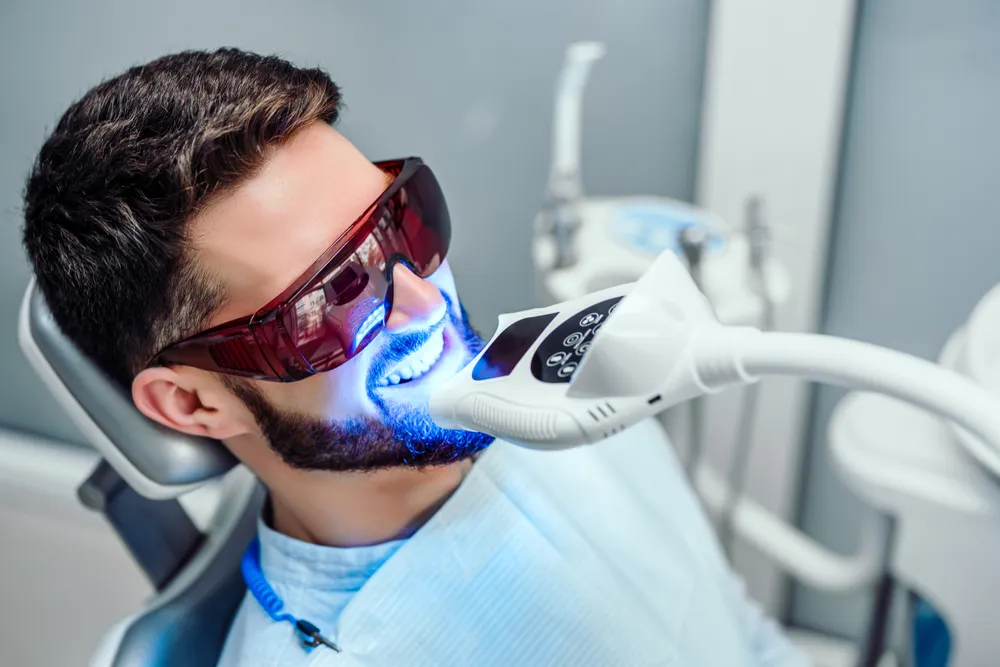
In-office teeth whitening, often referred to as professional teeth whitening, offers the fastest and most dramatic results. Performed by a dental professional, this treatment typically involves the application of a high-concentration hydrogen peroxide gel to the teeth. The procedure is often completed in a single visit, making it ideal for those seeking immediate results. The accelerated whitening process is usually enhanced by a special light or laser, which activates the bleaching agents and speeds up the whitening process. This method can lift several shades in a single session, making it a popular choice for special occasions or individuals who want a quick smile makeover. The entire process, including preparation and application, takes around 60-90 minutes, offering significant convenience.
The Process of In-Office Whitening

The in-office teeth whitening process begins with a thorough examination and cleaning of your teeth to remove any plaque or surface stains. The dentist or dental hygienist then isolates your teeth, protecting your gums and soft tissues with a special barrier. A high-concentration bleaching agent is applied to the teeth, and a specialized light or laser is often used to accelerate the whitening process. The bleaching agent is typically left on the teeth for a set period, and the process can be repeated several times during the same visit to achieve optimal results. After the procedure, the dentist will provide post-treatment instructions, which may include avoiding certain foods and beverages that can stain the teeth.
Benefits of In-Office Whitening
The primary benefit of in-office whitening is the speed and effectiveness. Unlike at-home methods that require weeks to show results, in-office treatments can produce significant whitening in just one appointment. Furthermore, because the procedure is performed by a dental professional, it ensures a safe and controlled environment, minimizing the risk of gum irritation or uneven whitening. Dentists also have access to stronger bleaching agents that are not available for at-home use, leading to more dramatic results. This is particularly beneficial for those with deep staining or discoloration that at-home products may not effectively address. In addition, the professional supervision ensures that any potential sensitivity issues are addressed promptly.
At-Home Whitening Kits [Convenience]
At-home whitening kits offer a convenient and more affordable alternative to in-office treatments. These kits typically include custom-fitted trays and a lower-concentration bleaching gel. The trays are designed to fit snugly over your teeth, ensuring even application of the whitening agent. These kits allow you to whiten your teeth in the comfort of your own home, fitting easily into your daily routine. Although the results may not be as immediate or dramatic as professional whitening, at-home kits can still provide noticeable improvements in tooth shade over a few weeks. It’s essential to follow the instructions provided by your dentist or the kit manufacturer to ensure safety and achieve the best possible results. Regular use of at-home kits can help maintain the results achieved from in-office treatments.
Types of At-Home Whitening Kits

There are several types of at-home whitening kits available, each with its own set of advantages and disadvantages. Custom-fitted trays, prescribed by a dentist, offer the most effective results. These trays are molded to fit your teeth perfectly, ensuring the bleaching agent is applied evenly. Over-the-counter kits, often available at drugstores, typically include pre-filled trays or strips. While convenient and affordable, they may not be as effective as custom-fitted options. Another popular choice is whitening strips, which are easy to use and adhere directly to the teeth. These strips contain a thin layer of bleaching agent. The choice of which at-home whitening kit to use depends on your budget, the severity of your staining, and the level of convenience you desire.
Effectiveness of At-Home Kits
The effectiveness of at-home whitening kits varies depending on the type of kit, the concentration of the bleaching agent, and the individual’s adherence to the instructions. Custom-fitted trays, when used with a prescription-strength bleaching gel, can deliver significant whitening results. Over-the-counter kits and whitening strips may provide more subtle improvements. Consistency is key; noticeable results typically take several weeks of regular use. It’s important to note that at-home kits are not suitable for everyone. Individuals with severe staining, dental restorations, or sensitive teeth may not achieve optimal results. Consulting with your dentist is advisable to determine the best option for your specific needs and to rule out any underlying dental issues.
Whitening Toothpaste [Daily Brightening]
Whitening toothpaste is a common and accessible option for maintaining a brighter smile. Unlike professional whitening treatments, whitening toothpastes work by removing surface stains and polishing the teeth. They typically contain mild abrasives or chemicals that help to lift stains caused by coffee, tea, and other foods and drinks. These toothpastes are readily available over-the-counter and can be incorporated into your daily oral hygiene routine. While whitening toothpastes do not change the intrinsic color of your teeth in the same way as bleaching agents, they can help to maintain or slightly improve the shade of your teeth and enhance the overall appearance of your smile. They are an excellent choice for those looking to prevent staining and maintain the results of other whitening treatments.
How Whitening Toothpaste Works

Whitening toothpastes primarily work by removing surface stains and plaque. They contain mild abrasives, such as hydrated silica or calcium carbonate, which gently scrub the teeth’s surface, removing stains and polishing the enamel. Some whitening toothpastes also contain chemicals like hydrogen peroxide or carbamide peroxide, which help to break down stains. These ingredients, though milder than those used in professional treatments, contribute to a slightly brighter appearance. Additionally, some toothpastes include stain-fighting ingredients like pyrophosphates, which help prevent new stains from forming. Regular use of whitening toothpaste can help to prevent the build-up of new stains and maintain a brighter smile.
Limitations of Whitening Toothpaste
While whitening toothpastes are effective for removing surface stains, they have limitations in terms of whitening power. They cannot significantly change the intrinsic color of your teeth, meaning they are less effective for deeper stains or discoloration caused by aging or genetics. The abrasives in some whitening toothpastes can potentially wear down the enamel over time if used excessively. Therefore, it’s essential to choose a toothpaste with a moderate level of abrasiveness and to use it as directed. Whitening toothpastes are best used as a maintenance tool to prevent and remove surface stains, rather than as a primary whitening method. They are not a replacement for professional treatments.
Whitening Strips [User-Friendly]
Whitening strips are another popular over-the-counter teeth whitening option, known for their convenience and ease of use. These thin, flexible strips are coated with a bleaching agent, typically hydrogen peroxide. They are applied directly to the teeth, adhering to the surface and delivering the whitening agent. Whitening strips are widely available in drugstores and online, making them a readily accessible option. They are often more affordable than professional treatments and at-home kits. Strips provide a simple and straightforward method for whitening, requiring minimal time and effort. However, it is crucial to use them correctly and follow the product instructions to achieve optimal results and minimize the risk of side effects.
How Whitening Strips Work

Whitening strips work by delivering a bleaching agent, such as hydrogen peroxide, directly to the teeth’s surface. The strips are designed to adhere to the teeth, ensuring close contact and even distribution of the bleaching agent. The hydrogen peroxide penetrates the enamel and breaks down the stain molecules, resulting in a lighter appearance. The strips are typically worn for a specified amount of time, ranging from a few minutes to an hour, depending on the product’s concentration and instructions. Over a period of several days or weeks, the cumulative effect of the bleaching agent produces a noticeable improvement in tooth shade. The effectiveness of whitening strips depends on factors such as the concentration of hydrogen peroxide, the length of treatment, and the individual’s degree of staining.
Effectiveness of Whitening Strips
Whitening strips are generally effective for removing surface stains and lightening the overall shade of the teeth. They can provide noticeable improvements, although the results may vary depending on the severity of the staining. The effectiveness of the strips is often comparable to that of at-home whitening kits, offering a convenient and cost-effective way to brighten your smile. However, whitening strips are less effective for deeper stains or significant discoloration. It’s important to choose a product with a reputable brand and to follow the instructions carefully to maximize results and minimize potential side effects. Some individuals may experience temporary tooth sensitivity or gum irritation, but these are usually mild and subside shortly after treatment.
Other Whitening Options
Besides the main teeth whitening methods, there are other options to consider for enhancing your smile. These options are often used for specific issues or in conjunction with other treatments to achieve the desired aesthetic results. From cosmetic procedures like dental veneers to more conservative approaches, understanding these alternative choices can help you create the smile you’ve always wanted. Consulting with a dentist will help you determine if these are right for you.
Dental Veneers

Dental veneers are thin, custom-made shells that are bonded to the front surface of teeth. They are often used to improve the appearance of teeth that are stained, chipped, or misshapen. Veneers are typically made of porcelain or composite resin and can be designed to match the shade and shape of the surrounding teeth. Unlike whitening treatments that only address the color, veneers can also correct the shape and alignment of teeth, providing a comprehensive smile makeover. Veneers offer a long-lasting solution to cosmetic dental issues, but they require some tooth preparation and are a more invasive option. Veneers can be an excellent choice for those looking for a dramatic change.
Dental Bonding
Dental bonding involves applying a tooth-colored resin to the teeth and shaping it to improve their appearance. Bonding is a less invasive and more affordable option compared to veneers. This procedure can be used to repair chipped or cracked teeth, close gaps, and improve the overall shape and color of the teeth. The resin is matched to the natural tooth shade and is then hardened with a special light. While bonding is less durable and may stain over time, it is an excellent option for minor cosmetic adjustments and can provide instant results. It is also a versatile method that can be used to address various issues and imperfections.
Choosing the Right Teeth Whitening
Choosing the right teeth whitening option depends on several factors, including your budget, desired results, and oral health. In-office whitening provides the fastest and most dramatic results, while at-home kits offer convenience and affordability. Whitening toothpaste and strips are excellent for maintenance and minor improvements. Consider the severity of your staining, your sensitivity level, and any underlying dental issues. A consultation with your dentist is essential to determine the best course of action and to address any potential oral health concerns. Your dentist can assess your teeth, discuss your goals, and recommend the most appropriate treatment. Ultimately, the best choice is the one that meets your needs, achieves the desired results, and aligns with your lifestyle and budget. With the right approach, you can achieve a brighter, more confident smile.