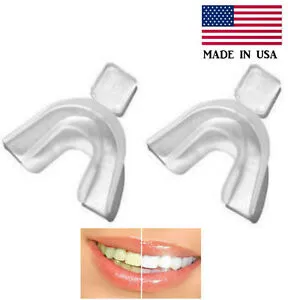
What Are Teeth Whitening Trays
Teeth whitening trays are custom-fitted or pre-formed devices used to apply teeth whitening agents to the teeth. These trays are a popular method for achieving a brighter smile, offering a convenient and often more affordable alternative to professional in-office whitening treatments. The effectiveness of these trays hinges on the active ingredient in the whitening gel, typically hydrogen peroxide or carbamide peroxide. When these chemicals come into contact with the teeth, they break down into oxygen molecules. These oxygen molecules then penetrate the enamel and dentin, oxidizing the discolored molecules that cause stains. The result is a noticeable lightening of the teeth, giving you a more confident and radiant smile. Understanding what these trays are and how they work is the first step in determining if they are right for you.
The Science Behind Teeth Whitening Trays
The science behind teeth whitening trays involves a chemical process known as oxidation. The active ingredients, usually hydrogen peroxide or carbamide peroxide, are key to this process. Carbamide peroxide breaks down into hydrogen peroxide and urea; hydrogen peroxide then acts as the bleaching agent. As the hydrogen peroxide molecules come into contact with the stained teeth, they release oxygen molecules. These oxygen molecules penetrate the enamel and dentin, breaking down the stain-causing molecules. The concentration of the whitening agent, the duration of application, and the frequency of use all play crucial roles in the effectiveness of the whitening process. The higher the concentration, the quicker the results, but also the greater the potential for sensitivity. It is very important to follow the instructions and consult with a dental professional to understand the science behind the method you choose.
How Do Teeth Whitening Trays Work

Teeth whitening trays work by facilitating the prolonged contact of a bleaching agent with the surface of your teeth. The process begins with applying the whitening gel into the tray. This gel typically contains a peroxide-based bleaching agent. The tray, whether custom-made by a dentist or a pre-formed over-the-counter product, is then inserted into the mouth, ensuring the gel comes into close contact with the teeth. The tray fits snugly, preventing the gel from escaping and ensuring even distribution. The bleaching agent then goes to work, penetrating the enamel to break down the stain-causing molecules. This process takes time, and the duration of wear varies depending on the product and the severity of the staining. Consistent use, as directed, is key to achieving noticeable results. It’s a straightforward process, but understanding the details can help you maximize the effectiveness of your treatment.
Materials Used in Teeth Whitening Trays
The materials used in teeth whitening trays are designed for safety, comfort, and effectiveness. Custom trays, often provided by dentists, are typically made from a flexible, durable plastic that is molded to fit the exact contours of a patient’s teeth. This ensures the bleaching agent is evenly distributed and reduces the risk of the gel leaking and irritating the gums. Over-the-counter trays come in a variety of materials, including pre-formed trays made from a thinner plastic, that will need to be molded by the user. The trays are designed to be biocompatible and non-toxic, ensuring they do not cause harm when in contact with the mouth. It is essential to ensure the tray fits properly and the materials are of good quality. This can minimize the risk of irritation or discomfort during the whitening process. The choice of materials significantly impacts the overall effectiveness and safety of teeth whitening.
Benefits of Using Teeth Whitening Trays
There are several benefits associated with using teeth whitening trays, making them a popular choice for those seeking a brighter smile. One primary advantage is their convenience; trays can be used at home, fitting easily into your daily routine. The cost-effectiveness of trays is another benefit, as they are often more affordable than professional in-office treatments. Custom trays provided by dentists offer a more precise fit, maximizing the effectiveness of the whitening agent and minimizing gum irritation. Over-the-counter options provide an accessible way to start whitening at home. Regular use of whitening trays can significantly improve the appearance of your teeth, boosting your confidence and making you feel better about your smile. The benefits extend beyond aesthetics, positively impacting self-esteem and overall well-being.
Advantages of Professional Teeth Whitening Trays

Professional teeth whitening trays, provided by a dentist, offer several advantages over over-the-counter options. The primary benefit is the custom fit. These trays are specifically molded to the individual’s teeth, ensuring a perfect fit and even distribution of the whitening gel. Dentists can also use higher concentrations of bleaching agents, leading to faster and more effective whitening results. They can also provide a more thorough assessment of your oral health, checking for any underlying issues that may affect the whitening process. Professional trays reduce the risk of gum irritation, as the custom fit minimizes the contact of the whitening gel with the gums. Furthermore, dentists can monitor the process and make adjustments as needed, ensuring optimal results while minimizing potential side effects. The supervision and expertise of a dental professional are a significant advantage, providing both safety and superior outcomes.
Cost-Effectiveness of Teeth Whitening Trays
The cost-effectiveness of teeth whitening trays is a significant factor for many considering teeth whitening. Compared to in-office professional whitening treatments, trays are generally more affordable. The initial investment includes the cost of the tray itself, whether custom-made by a dentist or purchased over-the-counter, and the whitening gel. However, the long-term cost can be lower, as trays can be reused, and you can purchase additional whitening gel as needed. Over-the-counter options are typically the most budget-friendly, while custom trays from a dentist will cost more due to the personalized fit. Considering the results and the convenience of at-home use, teeth whitening trays offer a cost-effective way to achieve a brighter smile without the higher expense of in-office procedures. It is worth looking into your budget and assessing your needs to determine the best option.
The Effectiveness of Teeth Whitening Trays
The effectiveness of teeth whitening trays depends on several factors, including the concentration of the bleaching agent, the duration of use, and the type of stains. Trays containing higher concentrations of hydrogen peroxide or carbamide peroxide will typically yield faster and more dramatic results. The length of time the trays are worn each day also affects the outcome, with longer wear times potentially leading to greater whitening. The type of stains matters too; extrinsic stains caused by coffee, tea, or smoking often respond well to whitening. Intrinsic stains, which are inside the tooth structure, may take longer to lighten and may require more aggressive treatment. The consistency of use is also crucial, as following the instructions and using the trays regularly will maximize the effectiveness. While results can vary, most people experience a noticeable improvement in the brightness of their teeth with consistent and correct use.
How to Get the Best Results with Teeth Whitening Trays

To achieve the best results with teeth whitening trays, it’s essential to follow the instructions carefully. Ensure your teeth are clean and dry before applying the whitening gel to the tray. Use the recommended amount of gel to avoid overflow and potential gum irritation. Wear the trays for the prescribed duration, and avoid eating or drinking anything other than water during the whitening process. Consistency is key; regular use is vital to achieving the desired shade of whiteness. It’s also important to avoid foods and drinks that can stain your teeth, such as coffee, tea, red wine, and berries, during and immediately after treatment. Maintaining good oral hygiene, including brushing and flossing, can also help to keep your teeth white. Consulting with your dentist can provide tailored advice and help you monitor your progress for the best possible outcome. Following these guidelines will increase the likelihood of a brighter, more confident smile.
Preparing Your Teeth for Teeth Whitening Trays
Preparing your teeth before using teeth whitening trays can optimize the results. Begin with a thorough dental cleaning and exam to remove plaque and tartar, which can hinder the whitening process. Brush and floss your teeth gently before applying the whitening gel, as this removes any surface debris. If you have any dental work, like fillings or crowns, consult your dentist, as whitening agents only affect natural teeth, and these restorations will not change color. It’s also a good idea to avoid highly acidic foods and drinks before and during treatment, as they can make your teeth more sensitive. Before using the trays, dry your teeth thoroughly before inserting the gel-filled trays to ensure they are able to fit correctly. Following these steps will ensure that your teeth are in the best possible condition to receive the whitening treatment and achieve the desired results.
Using Teeth Whitening Trays Step-by-Step
Using teeth whitening trays involves a straightforward process that, when followed correctly, can lead to a brighter smile. First, brush and floss your teeth to remove any food particles and plaque. Fill the trays with the recommended amount of whitening gel, following the product instructions. Insert the trays into your mouth, making sure they fit comfortably and that the gel makes contact with your teeth. Wear the trays for the specified time, usually ranging from 30 minutes to several hours, depending on the product and your dentist’s recommendations. Once the time is up, remove the trays and rinse your mouth with water. Brush your teeth again to remove any remaining gel. Repeat this process daily or as directed until you achieve the desired level of whiteness. Always adhere to the instructions provided by the product or your dentist to ensure safety and effectiveness. Consistent use is crucial for the best results.
Maintaining Your Whitened Smile

Maintaining your whitened smile requires a proactive approach to oral hygiene and lifestyle habits. After completing your whitening treatment, it is important to practice good oral hygiene. Brush your teeth twice a day with a whitening toothpaste, and floss daily to remove food particles and plaque. Limit the consumption of staining foods and beverages, such as coffee, tea, red wine, and berries, as these can gradually darken your teeth over time. Avoid smoking and other tobacco products, as they are major contributors to teeth discoloration. Consider occasional touch-up treatments using your whitening trays to maintain your bright smile. Regular dental check-ups and cleanings can help to keep your teeth healthy and bright. By adopting these habits, you can prolong the results of your whitening treatment and enjoy a vibrant smile for years to come. It is also advised to consult with your dentist for personalized recommendations for maintaining your smile.
Potential Side Effects and How to Manage Them
While teeth whitening trays are generally safe, some potential side effects can occur. The most common side effect is tooth sensitivity, which can manifest as a temporary discomfort or tingling sensation in the teeth. This sensitivity is usually temporary and can be managed by using toothpaste designed for sensitive teeth or reducing the duration or frequency of your whitening treatments. Gum irritation is another possible side effect, which can result from the whitening gel contacting the gums. Using a custom-fitted tray can help to minimize this irritation. If the irritation persists, discontinue use and consult your dentist. In rare cases, some people may experience discomfort in their jaw muscles. Following the instructions, using the correct amount of gel, and consulting with your dentist can help you manage any potential side effects and ensure a positive whitening experience. Being informed about these potential issues allows you to take appropriate steps to mitigate any discomfort.