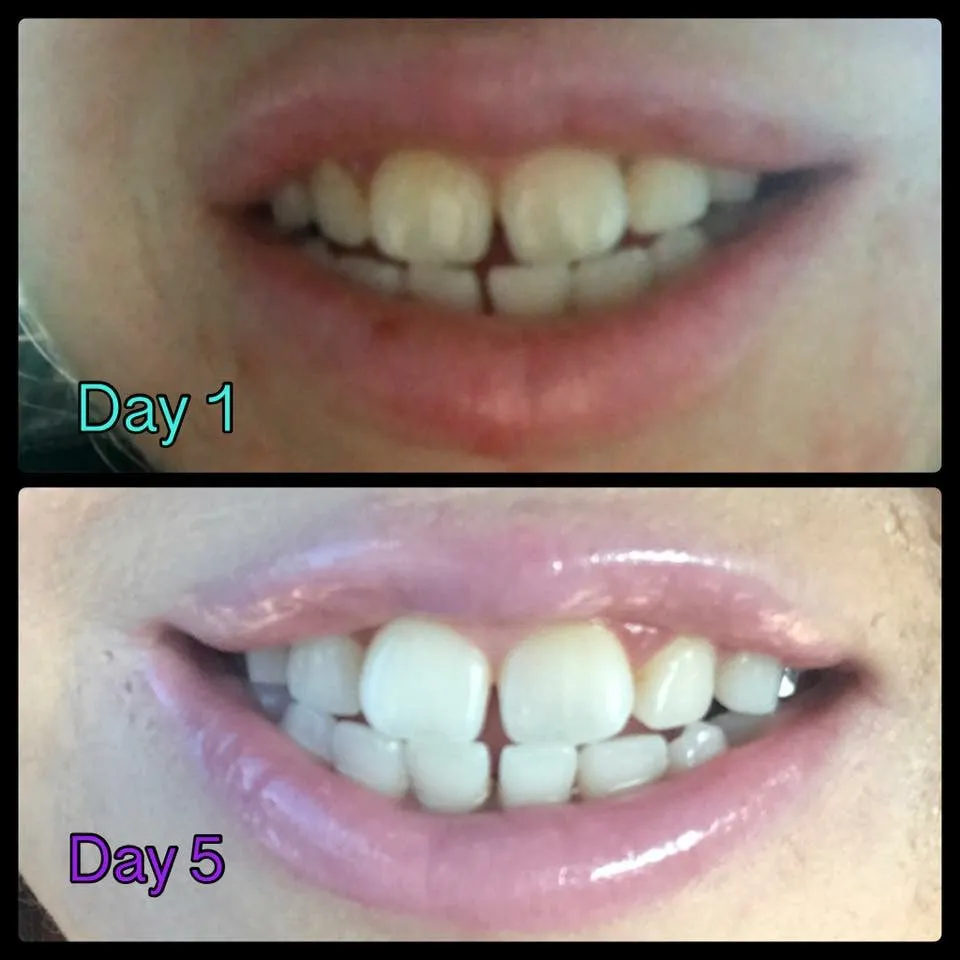
Understanding Teeth Whitening
Teeth whitening, also known as bleaching, is a popular cosmetic dental procedure designed to lighten the shade of your teeth and remove stains or discoloration. Over time, teeth can become stained due to various factors, including the consumption of certain foods and drinks, smoking, and even aging. Whitening treatments work by using bleaching agents to break down the stain molecules, resulting in a brighter, more radiant smile. The effectiveness and method of teeth whitening vary depending on the type of treatment and the individual’s specific dental condition, but the overall goal remains the same to enhance the aesthetic appearance of your teeth.
What is Teeth Whitening
Teeth whitening is a cosmetic dental process that involves lightening the shade of your teeth. It’s used to remove stains and discoloration caused by factors like food, drinks, smoking, and aging. The process works by using bleaching agents, usually containing hydrogen peroxide or carbamide peroxide, that penetrate the enamel and dentin to break down stain molecules. This results in a noticeable improvement in the brightness and overall appearance of the teeth. There are numerous methods available, ranging from professional treatments at a dentist’s office to over-the-counter products like whitening strips and toothpastes.
The Science Behind Teeth Whitening

The science behind teeth whitening revolves around the use of bleaching agents, typically hydrogen peroxide or carbamide peroxide. These compounds break down into molecules that penetrate the porous enamel of the teeth. Once inside, they react with the stain molecules, breaking them apart and making them less visible. The effectiveness of the process depends on factors such as the concentration of the bleaching agent, the duration of exposure, and the type of stain. For example, stains from coffee and tea are often easier to remove than those caused by certain medications or intrinsic factors. Professional treatments often use higher concentrations of bleaching agents, providing faster and more dramatic results, while over-the-counter products have lower concentrations to ensure safety for home use.
Top 5 Proven Teeth Whitening Methods
There are several proven methods for teeth whitening, each with its own advantages and considerations. The best choice for you will depend on your individual needs, budget, and desired results. It’s always recommended to consult with a dentist before starting any whitening treatment to ensure it’s safe and appropriate for your specific dental health. Here are the top 5 proven methods, covering both professional and over-the-counter options.
Professional Teeth Whitening
Professional teeth whitening, performed by a dentist, offers the most effective and rapid results. These treatments use high concentrations of bleaching agents, often hydrogen peroxide, to significantly lighten teeth in a single appointment. Dentists can also provide customized treatments and monitor the process to minimize any potential risks or side effects. Professional whitening is generally the most expensive option, but it provides the most predictable and dramatic outcomes. The dentist will also assess the patient’s oral health and make recommendations based on their individual needs. Before the procedure, the dentist usually cleans the teeth to remove any surface stains and plaques.
In-Office Whitening

In-office whitening involves a dentist applying a high-concentration bleaching agent to your teeth. The dentist will usually isolate your gums and soft tissues to protect them from the bleaching agent. A special light or laser might be used to activate the bleaching agent and accelerate the whitening process. This procedure typically takes about an hour and can lighten teeth by several shades in a single session. The results are immediate, making it a popular choice for people looking for a quick and dramatic smile transformation. Post-treatment sensitivity can occur but usually subsides within a few days. The dentist will also provide after-care instructions to maintain the results.
Take-Home Whitening Kits
Take-home whitening kits, provided by your dentist, offer a more gradual whitening process with professional supervision. These kits typically include custom-fitted trays and a lower concentration of bleaching agent than in-office treatments. You will wear the trays with the whitening gel for a specified amount of time each day, as directed by your dentist, usually for several weeks. This method allows for greater control over the whitening process and is often more comfortable for patients. Your dentist will monitor your progress and can adjust the treatment as needed. Take-home kits offer a balance between convenience and effectiveness, providing good results while minimizing the risk of sensitivity.
Over-the-Counter Whitening Products
Over-the-counter (OTC) whitening products are readily available and offer a convenient and affordable way to brighten your smile. These products typically contain lower concentrations of bleaching agents than professional treatments. While they may not provide the same dramatic results, they can still effectively reduce surface stains and improve tooth brightness over time. It’s essential to follow the instructions carefully and be aware of potential side effects like sensitivity. Common types of OTC whitening products include whitening toothpastes and whitening strips. Consulting your dentist before using OTC products is always recommended, particularly if you have sensitive teeth or pre-existing dental conditions.
Whitening Toothpastes

Whitening toothpastes contain mild abrasives and/or chemical agents that help remove surface stains. They work by polishing the teeth and breaking down stains. While whitening toothpastes can improve the appearance of teeth, they typically don’t change the intrinsic color of the teeth, which is why the results are generally more subtle compared to other whitening methods. Some whitening toothpastes also contain low concentrations of peroxide, which can contribute to some degree of whitening. It’s important to use whitening toothpastes as directed and not to over-brush, as excessive abrasion can damage the enamel. For best results, combine with regular brushing and flossing.
Whitening Strips
Whitening strips are thin, flexible strips coated with a peroxide-based whitening agent. They are applied directly to the teeth and are designed to be worn for a specific amount of time each day. Whitening strips are relatively easy to use and provide noticeable results over a few weeks of consistent use. They are also more effective than whitening toothpastes because the whitening agent remains in contact with the teeth for a longer period. However, they may not reach every surface of the teeth, and the results can vary. Some individuals experience minor sensitivity. Always follow the manufacturer’s instructions to avoid potential side effects and maximize effectiveness.
Natural Teeth Whitening Remedies
Natural teeth whitening remedies use ingredients found in nature to help whiten teeth. These methods are often perceived as gentler and more natural alternatives to professional or over-the-counter treatments. However, their effectiveness can vary, and some remedies may not be supported by strong scientific evidence. It’s essential to approach natural remedies with caution and consult with a dentist before trying them, especially if you have sensitive teeth or underlying dental issues. Some popular natural teeth whitening remedies include oil pulling and the use of baking soda and hydrogen peroxide. While these methods can have benefits, they should not replace professional dental care.
Oil Pulling

Oil pulling is an ancient Ayurvedic practice that involves swishing oil (usually coconut oil) in the mouth for about 15-20 minutes. The idea is that the oil pulls bacteria and toxins from the mouth, which can contribute to fresher breath and, potentially, whiter teeth. While some people report positive results, scientific evidence supporting the teeth-whitening benefits of oil pulling is limited. The oil may help remove some surface stains and plaque, but it’s unlikely to provide the same level of whitening as peroxide-based treatments. If you choose to try oil pulling, it’s crucial to use it as a supplement to, and not a replacement for, regular brushing, flossing, and dental checkups. Always spit the oil into the trash and not down the sink to avoid clogging your pipes.
Baking Soda and Hydrogen Peroxide
Baking soda and hydrogen peroxide are sometimes used together to create a DIY teeth-whitening paste. Baking soda is a mild abrasive that can help remove surface stains, while hydrogen peroxide acts as a mild bleaching agent. To use, mix a small amount of baking soda with hydrogen peroxide to form a paste, and then gently brush your teeth with it. While this combination might provide some whitening effect, it can also be harsh on tooth enamel, particularly with frequent use. Over-brushing with this mixture can lead to enamel erosion and increased sensitivity. It’s advisable to use this method sparingly and always consult with a dentist before trying it, especially if you have sensitive teeth. Professional guidance ensures that you use the right concentration and frequency to minimize potential harm.
Maintaining Your White Smile
Maintaining a white smile after teeth whitening involves a combination of good oral hygiene, dietary awareness, and regular dental checkups. The longevity of your results depends on how well you take care of your teeth and avoid factors that can cause staining. Consistent effort and attention to detail will help you enjoy your brighter smile for a longer period. Implementing a comprehensive approach that includes both daily habits and professional support ensures that your teeth remain radiant. Following the guidelines can help preserve the effects of the whitening treatment and keep your smile looking its best.
Dietary Considerations

Certain foods and drinks can stain your teeth, so being mindful of your diet is essential for maintaining a white smile. Avoiding or limiting the consumption of staining agents, such as coffee, tea, red wine, and dark-colored sodas, is beneficial. These beverages contain chromogens, which are pigments that can adhere to the tooth enamel and cause discoloration. Additionally, highly pigmented foods like berries, curries, and soy sauce can also contribute to staining. Rinsing your mouth with water or brushing your teeth after consuming these items can help to minimize the impact of these foods and drinks. Adopting a balanced diet with plenty of fruits, vegetables, and water will not only benefit your overall health but will also promote a brighter smile.
Oral Hygiene Practices
Maintaining good oral hygiene is crucial for keeping your teeth white and healthy. Brushing your teeth twice a day with a fluoride toothpaste is essential for removing plaque and surface stains. Flossing daily removes plaque and food particles from between your teeth, where a toothbrush can’t reach. Using an antibacterial mouthwash can further help to reduce bacteria and prevent staining. Regular dental checkups and cleanings are also vital. During a professional cleaning, your dentist or hygienist can remove any stubborn stains and plaque buildup that you may have missed. Consistent and proper oral hygiene practices combined with professional care will not only enhance your smile’s brightness but also contribute to your overall oral health.
Avoiding Staining Foods and Drinks
To keep your teeth white, it’s essential to avoid or limit the consumption of staining foods and drinks. Coffee and tea are major culprits, as they contain tannins that can stain the enamel. Red wine also has a high level of tannins and chromogens, which cause discoloration. Dark-colored sodas and fruit juices, such as cranberry juice, can also stain teeth. In addition, be mindful of foods like berries, soy sauce, balsamic vinegar, and curries, which have strong pigments. If you do consume these items, try rinsing your mouth with water immediately afterward or brushing your teeth to minimize staining. Using a straw when drinking beverages can also reduce the contact with your teeth.
Risks and Considerations of Teeth Whitening

While teeth whitening is generally safe, there are potential risks and considerations to be aware of before undergoing any treatment. It’s essential to consult with your dentist, who can assess your oral health and determine if teeth whitening is appropriate for you. Understanding the possible side effects and how to mitigate them is vital for a positive experience. Being informed about the potential risks, such as increased sensitivity or irritation, allows you to make a well-informed decision. Your dentist can also provide guidance and offer solutions to minimize any negative effects. Always prioritize your oral health and choose professional treatments when in doubt, because it ensures both safety and effectiveness.
Sensitivity
Tooth sensitivity is a common side effect of teeth whitening, particularly with stronger bleaching agents. It occurs because the whitening agents can penetrate the enamel and dentin, affecting the nerve endings within the teeth. This can lead to a temporary increase in sensitivity to hot and cold foods and drinks. The level of sensitivity varies from person to person and also depends on the whitening method used. To minimize sensitivity, your dentist might recommend using a desensitizing toothpaste for a few weeks before and during the whitening treatment. Reducing the frequency of the treatment or using a lower concentration of the whitening agent can also help. The sensitivity usually subsides within a few days or weeks after the whitening process is complete. Over-the-counter pain relievers can also help alleviate discomfort.
Irritation
Gum irritation can also be a side effect of teeth whitening, especially if the bleaching agent comes into contact with the soft tissues of your mouth. This irritation can manifest as redness, swelling, and mild discomfort. The most common cause is when the bleaching tray isn’t properly fitted, allowing the gel to leak onto the gums. To prevent irritation, ensure that any custom trays fit snugly and follow all instructions carefully. Your dentist might apply a protective barrier to your gums before the procedure to minimize the risk. If you experience irritation, rinsing your mouth with water and avoiding abrasive products can help soothe the area. The symptoms generally subside within a few days. Contact your dentist for advice and treatment if the irritation persists or worsens.
Effectiveness on Different Types of Staining
The effectiveness of teeth whitening varies depending on the type and severity of the staining. Extrinsic stains, which occur on the surface of the teeth due to food, drinks, and smoking, are generally easier to remove with whitening treatments. Intrinsic stains, which are located within the tooth structure, can be more challenging. These can be caused by factors like genetics, certain medications (such as tetracycline), and excessive fluoride intake. While teeth whitening can improve the appearance of intrinsic stains, the results may not be as dramatic as those for extrinsic stains. The best approach is to discuss your specific case with your dentist. They can evaluate the type of staining you have and recommend the most effective whitening method for your specific needs.