What Are Teeth Whitening Strips
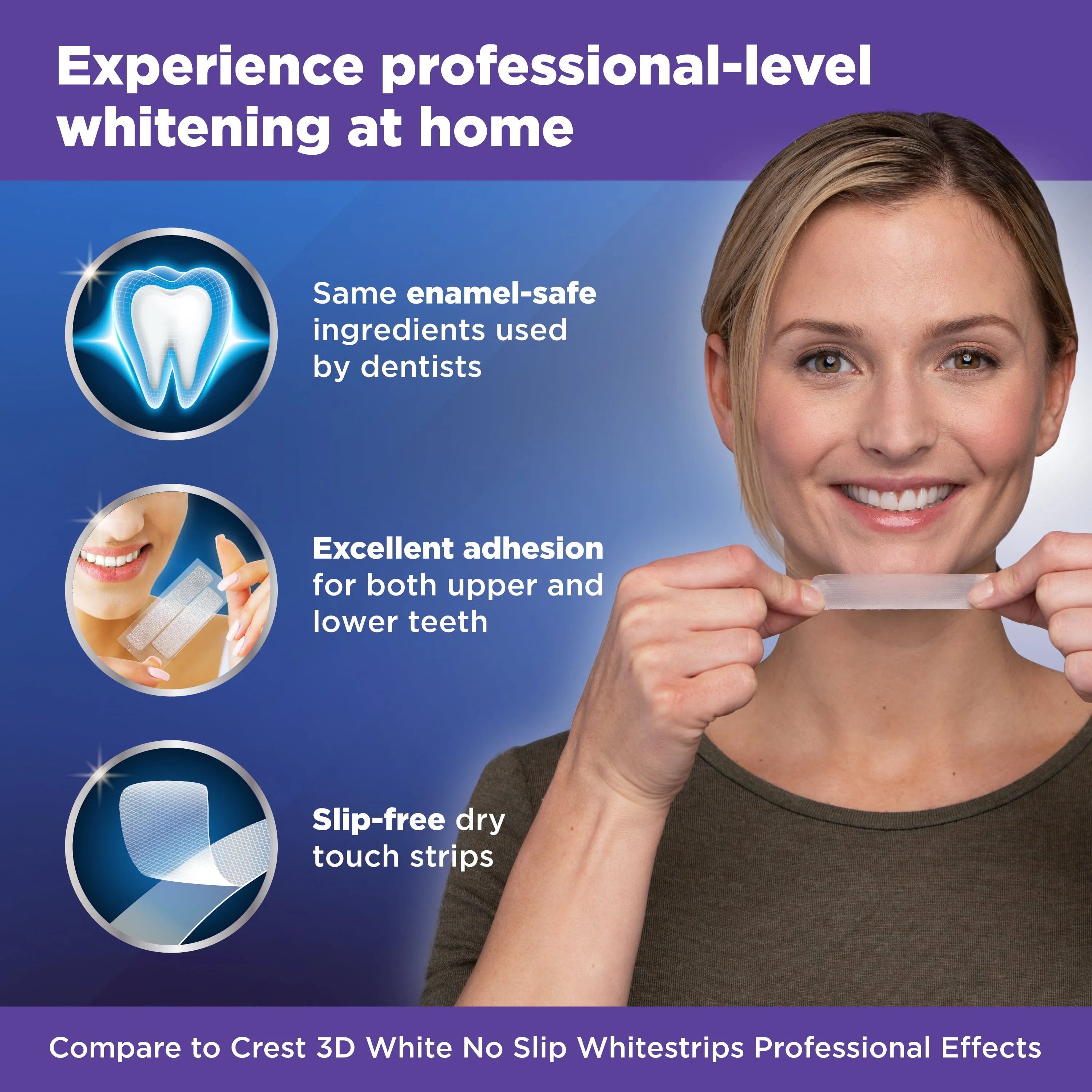
Teeth whitening strips are a popular and convenient method for improving the brightness of your smile. These thin, flexible strips are coated with a whitening agent, typically hydrogen peroxide or carbamide peroxide. They are designed to be applied directly to the teeth, adhering to the surface to deliver the active ingredient. The convenience of teeth whitening strips has made them a staple in many people’s oral hygiene routines. They offer an accessible, over-the-counter solution for tackling stains and discoloration caused by factors like coffee, tea, wine, and aging. The strips are easy to use at home, requiring minimal time and effort, which is a significant advantage for busy individuals seeking a quick and effective cosmetic solution.
How Hydrogen Peroxide Whitens Teeth
Hydrogen peroxide, the active ingredient in many teeth whitening strips, works through a process of oxidation. When applied to the teeth, the hydrogen peroxide penetrates the enamel and dentin, breaking down the stain molecules that cause discoloration. This oxidation process effectively removes the stains, leading to a visibly brighter smile. The concentration of hydrogen peroxide in the strips can vary, influencing the speed and intensity of the whitening effect. Higher concentrations may lead to quicker results, but they also carry a higher risk of sensitivity. The effectiveness of hydrogen peroxide is supported by scientific research, making it a trusted ingredient in professional and at-home whitening products. It is essential to follow the manufacturer’s instructions to ensure the safe and effective use of hydrogen peroxide-based teeth whitening strips and to avoid potential side effects.
What to Look for in Teeth Whitening Strips

When selecting teeth whitening strips, several factors should be considered to ensure effectiveness and safety. The concentration of hydrogen peroxide is a critical factor, as it determines the whitening power and potential for sensitivity. Higher concentrations often yield faster results, but they can also increase the risk of gum irritation and tooth sensitivity. Look for strips with a concentration that suits your needs and tolerance level. Consider the length of treatment, as some strips require daily use for several weeks, while others offer quicker results. The shape and fit of the strips are also important; they should comfortably adhere to your teeth, covering both the front and back surfaces. It’s wise to consider the brand reputation and read reviews from other users to understand the efficacy and any potential side effects. Choose strips from reputable brands that have been tested and proven safe for teeth whitening.
Choosing the Right Hydrogen Peroxide Strips
Selecting the appropriate hydrogen peroxide teeth whitening strips involves considering your individual needs and preferences. Assess the degree of staining on your teeth; if you have significant discoloration, you might opt for strips with a higher concentration of hydrogen peroxide or longer treatment duration. If you have sensitive teeth, look for strips specifically designed for sensitive teeth, which typically contain lower concentrations of the active ingredient. Read the product label and instructions carefully to understand the recommended usage and any precautions. Consider your lifestyle and convenience; if you are looking for a quick solution, some strips offer faster whitening effects, although this may come at the cost of increased sensitivity. Read customer reviews and consult with a dentist to get recommendations and guidance to make a choice that aligns with your dental health and aesthetic goals. Always prioritize products from trusted brands with a proven track record.
Step-by-Step Guide to Using Teeth Whitening Strips
Using teeth whitening strips effectively involves following a specific set of steps to maximize the benefits and minimize potential side effects. Before starting, read the product instructions thoroughly. The steps generally include preparing your teeth, applying the strips correctly, allowing for the recommended waiting time, removing the strips, and practicing post-treatment care. Proper application ensures that the whitening agent comes into contact with your teeth’s surface, which is essential for effective results. Following the recommended duration and frequency of use will help you achieve the desired level of whitening. Be patient and consistent with your treatment, and monitor your teeth for sensitivity or any adverse effects. If you experience discomfort or have concerns, consult with your dentist for advice.
Prepare Your Teeth

Before applying teeth whitening strips, it’s essential to prepare your teeth to maximize the effectiveness of the treatment. Brush your teeth gently to remove any surface debris or plaque. Be sure to avoid brushing immediately before applying the strips, as this can sometimes increase sensitivity. Flossing is recommended to remove food particles and ensure the whitening agent reaches all tooth surfaces. Make sure your teeth are clean and dry before applying the strips, which helps them adhere properly and facilitates even distribution of the whitening agent. This pre-application preparation contributes to the overall efficacy of the whitening process.
Apply the Strips
Carefully apply the teeth whitening strips to your teeth, ensuring proper placement for optimal coverage. The strips typically come with a top and bottom strip, designed to fit the upper and lower teeth, respectively. Align the strips along the gumline and gently press them against your teeth, ensuring they adhere to the entire surface. It’s crucial to avoid overlapping the strips or placing them too close to the gums to minimize potential irritation. Use your fingers to mold the strips to the contours of your teeth, especially in the areas that may be uneven or difficult to reach. Proper application ensures that the whitening agent comes into full contact with your teeth’s surface, allowing for effective stain removal. Make sure to wash your hands thoroughly after applying the strips.
Waiting Time
Adhere to the recommended waiting time as specified in the product instructions. The duration will vary depending on the brand and the concentration of hydrogen peroxide in the strips. Generally, you may need to keep the strips on your teeth for 30 minutes to an hour. During this time, avoid eating, drinking, or smoking, as these activities can compromise the whitening process and potentially stain your teeth. Do your best not to touch the strips or move them around, which ensures the whitening agent stays on the surface of your teeth and works efficiently. Set a timer to keep track of the time. Following the recommended waiting time is crucial for achieving the desired results without overexposing your teeth to the whitening agent.
Removing the Strips

After the recommended waiting time, carefully remove the teeth whitening strips from your teeth. Gently peel them away from the surface, starting from the back teeth and working your way forward. Discard the used strips properly and rinse your mouth with water to remove any residual whitening gel. Avoid swallowing the gel, as it is not intended for ingestion. Inspect your teeth for any signs of irritation or increased sensitivity. If you experience any discomfort, consult with your dentist for advice. Ensuring a clean and thorough removal of the strips prevents any potential adverse effects from the whitening agent remaining on your teeth.
Post-Treatment Care
Proper post-treatment care is essential to maintain the results of teeth whitening strips and protect your teeth. After removing the strips and rinsing your mouth, avoid consuming foods and drinks that can stain your teeth, such as coffee, tea, red wine, and dark-colored berries, for at least an hour. Brush your teeth gently with a soft-bristled toothbrush and use a fluoride toothpaste to remineralize your enamel. Use a sensitive toothpaste if you experience any tooth sensitivity. Avoid smoking and other tobacco products, as they can stain your teeth and counteract the whitening effects. Regular dental check-ups and cleanings will help maintain your bright smile. Proper post-treatment care helps to preserve the newly whitened shade and ensures long-lasting results from your teeth whitening treatments.
Top Tips for the Best Results
To maximize the effectiveness of teeth whitening strips, there are several key tips to follow. Be consistent with the treatment, adhering to the recommended frequency and duration. Ensure you use the strips as directed, including the application and waiting time, for the best results. Avoid consuming stain-causing foods and drinks during the treatment period, and consider limiting them in the following days to prolong the whitening effect. Practice good oral hygiene, brushing and flossing your teeth regularly to maintain a clean mouth. Consider using a whitening toothpaste or mouthwash to help enhance and sustain your results. Consult with your dentist about your teeth whitening strategy, especially if you have any pre-existing dental conditions. By following these tips, you can optimize the outcomes and enjoy a brighter, more confident smile.
Common Mistakes to Avoid

While using teeth whitening strips can be straightforward, there are some common mistakes to avoid. Do not overuse the strips, as excessive use can lead to increased tooth sensitivity and gum irritation. Avoid placing the strips on your gums, as this can cause inflammation or discomfort. Do not use strips that are damaged or expired. Refrain from brushing your teeth immediately before applying the strips, which may increase sensitivity. Avoid consuming stain-causing foods and drinks during and immediately after the treatment. Do not ignore any signs of discomfort or sensitivity; if you experience these symptoms, stop using the strips and consult your dentist. By avoiding these common mistakes, you can minimize the risk of adverse effects and ensure a safe and effective teeth whitening experience.
Maintaining Your White Smile
Maintaining your newly whitened smile requires a proactive approach to oral hygiene and lifestyle choices. Continue to practice good oral hygiene habits, including brushing and flossing regularly, to prevent future staining. Limit your intake of stain-causing foods and beverages, such as coffee, tea, red wine, and dark-colored berries. Consider using a whitening toothpaste or mouthwash to help maintain your bright smile. Schedule regular dental check-ups and cleanings to remove any surface stains and monitor your oral health. If you are a smoker, consider quitting, as tobacco use can significantly stain your teeth. You may consider touch-up treatments to maintain your results over time. By incorporating these strategies into your routine, you can prolong the effects of your teeth whitening treatment and keep your smile radiant.