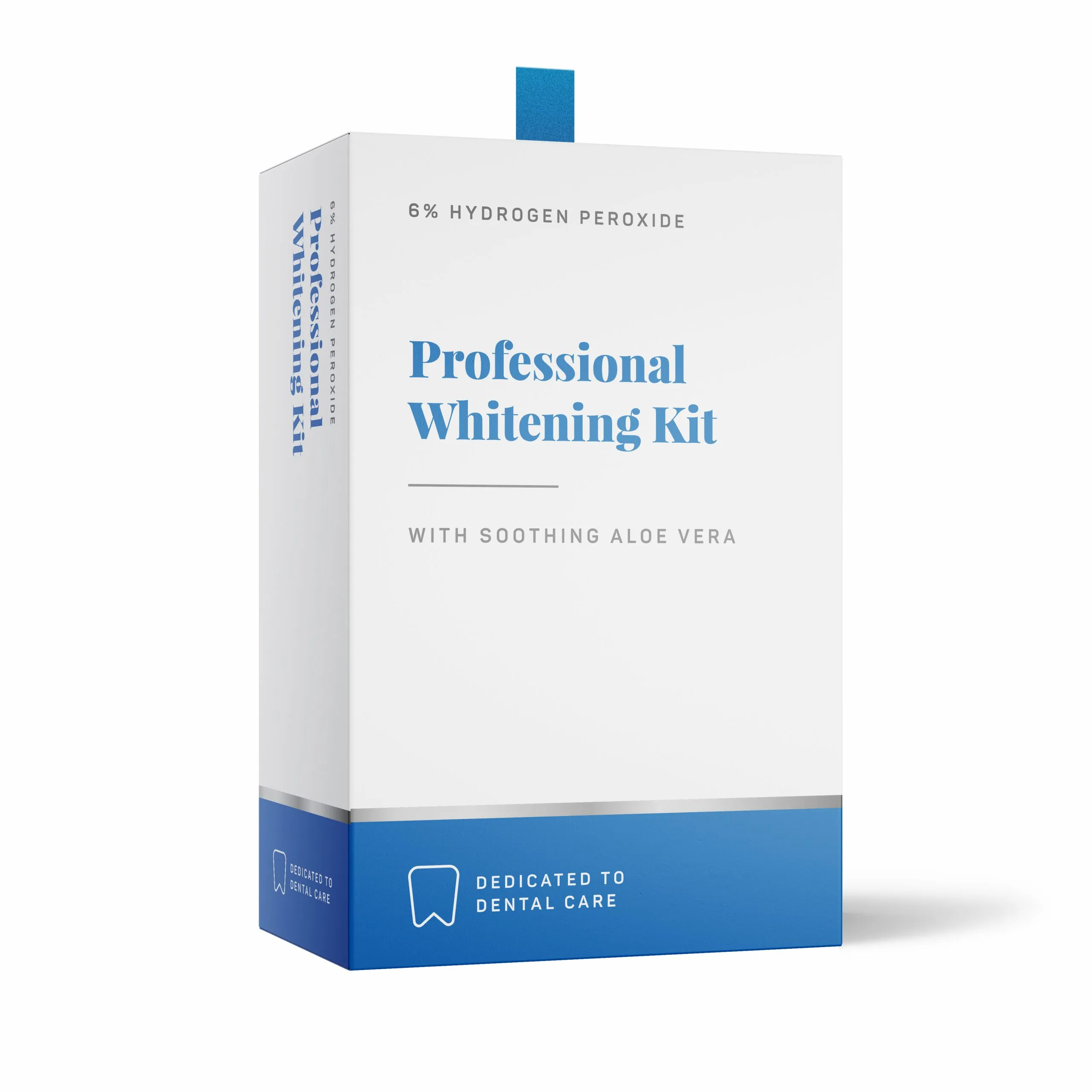
The Basics of Teeth Whitening Peroxide in the UK
Teeth whitening has become a popular cosmetic procedure, with many individuals seeking brighter, more aesthetically pleasing smiles. In the UK, various methods are available, including the use of teeth whitening peroxide. Understanding the basics of this process is crucial for anyone considering it. This guide delves into what teeth whitening peroxide is, how it works, and the regulations surrounding its use in the UK. It will also cover the most important facts to know before you start any teeth whitening treatment. This knowledge will help you make informed decisions and maintain optimal oral health.
What is Hydrogen Peroxide
Hydrogen peroxide (H2O2) is a chemical compound that serves as the active ingredient in many teeth whitening products. It’s a mild antiseptic and oxidizing agent. In the context of teeth whitening, hydrogen peroxide works by breaking down into water and oxygen. The oxygen released then penetrates the enamel of the teeth, breaking down the stain molecules and causing the teeth to appear lighter. The concentration of hydrogen peroxide varies in different products, impacting the effectiveness and potential risks associated with their use. Knowing how this works is fundamental to understanding its benefits and limitations.
How Does Hydrogen Peroxide Whiten Teeth

The whitening process using hydrogen peroxide is a chemical reaction. When applied to the teeth, the peroxide molecules penetrate the enamel. They come into contact with the stain molecules that have accumulated over time. These stains can result from food, drinks, and tobacco use. The peroxide breaks the stain molecules down, which causes them to lose their color. This process makes the teeth appear whiter. The effectiveness of this process depends on the concentration of peroxide, the duration of application, and the type of staining present. This process also varies from individual to individual.
UK Regulations and Peroxide Concentration
In the UK, the use of hydrogen peroxide in teeth whitening products is strictly regulated. The regulations are in place to protect the public from potential harm. Products sold to the public for home use are limited to a maximum concentration of 0.1% hydrogen peroxide. Higher concentrations, typically used in professional treatments, are administered by dental professionals. It’s vital to be aware of these regulations to ensure that any teeth whitening treatment adheres to legal standards. This also helps to prevent potential health risks associated with excessive peroxide exposure. Be sure to check the product and make sure it is suitable to UK standards.
Top 5 Facts about Teeth Whitening Peroxide
Navigating the world of teeth whitening can be confusing. Here are five essential facts about teeth whitening peroxide to help you make informed decisions about your oral health. These facts cover everything from understanding peroxide strength to the importance of professional guidance and potential side effects. Knowing these essential points helps you approach teeth whitening with realistic expectations and safety awareness. It gives you the tools you need to choose the most appropriate whitening options.
Fact 1 Understanding Peroxide Strength

The concentration of hydrogen peroxide is a critical factor in determining the effectiveness of a teeth whitening product. As previously mentioned, products available over-the-counter in the UK contain a maximum of 0.1% peroxide. Professional treatments, administered by dentists, can use significantly higher concentrations. Stronger concentrations often yield faster results but also increase the risk of side effects such as tooth sensitivity and gum irritation. Always follow the instructions carefully and consider consulting with a dental professional. They will make sure you are using the correct concentration for your specific needs. Understanding these factors is essential.
Fact 2 The Importance of Professional Guidance
Consulting with a dental professional before starting any teeth whitening treatment is highly recommended. A dentist can assess your oral health and determine the most suitable whitening method for your specific needs. They can identify any underlying issues, such as cavities or gum disease, that need to be addressed before whitening. They can also provide professional-grade treatments that offer better and faster results. They can also educate you on the risks and the right way to use the product. Getting professional guidance ensures the safety and effectiveness of the whitening process. It also helps minimize potential complications.
Fact 3 Potential Side Effects and Risks
Teeth whitening with peroxide can cause side effects. Tooth sensitivity and gum irritation are the most common. These are usually temporary and subside shortly after the treatment. However, in some cases, excessive use or high concentrations of peroxide can lead to more severe issues. These may include chemical burns and damage to the enamel. It’s crucial to follow the product instructions carefully and to discuss any concerns with a dental professional. Be on the lookout for signs such as sharp pain, intense swelling and bleeding. Proper precautions and a good understanding of the risks can help you manage them.
Fact 4 Comparing Whitening Methods

Several teeth whitening methods are available, each with its own advantages and disadvantages. Home whitening kits, containing strips, trays, or gels, are generally more affordable and convenient. Professional treatments, such as in-office whitening, offer faster results and often use higher concentrations of peroxide. Other methods include whitening toothpastes and charcoal-based products. The choice of method depends on your budget, the desired results, and your oral health. Consulting with a dentist helps you find the best match. They will also weigh up the pros and cons of each method based on your situation and needs. Comparing methods can give you the best results.
Fact 5 Maintaining Results and Aftercare
Once you achieve your desired level of whiteness, maintaining the results requires consistent care. This includes good oral hygiene practices such as brushing twice a day. Flossing daily and regular dental check-ups also help. It is very important to avoid foods and drinks that can stain your teeth. These include coffee, tea, red wine, and tobacco products. You may also need to consider touch-up treatments to maintain the results over time. Following these aftercare tips will help you enjoy a brighter smile for longer.
Choosing the Right Teeth Whitening Peroxide Product in the UK
With numerous teeth whitening products available, choosing the right one can be overwhelming. Considering your needs and preferences is essential. Factors to consider include the type of product, the peroxide concentration, and the ease of use. It’s important to read product reviews and consult with a dentist. This will help you to ensure you choose a product that is safe and effective. Make sure you pick a product that is suitable for your needs, while following all the guidelines. Choosing the right product can give you amazing results.
Types of Teeth Whitening Products

Teeth whitening products come in various forms, each designed for different methods of application. Common types include whitening strips, which are thin, flexible strips coated with peroxide gel. Whitening trays, which are custom-fit or pre-made trays filled with whitening gel. Whitening toothpastes, which contain mild abrasives and whitening agents. And finally, in-office whitening treatments, which are administered by a dentist. Each type has its own advantages and disadvantages. The best choice will depend on individual preferences, budget, and the level of whitening desired. It’s good to know your options.
Factors to Consider When Choosing a Product
Several factors influence the effectiveness and safety of a teeth whitening product. Peroxide concentration is a crucial factor, with higher concentrations often yielding faster results. Ease of use is another consideration. Products that are simple to apply and use are more likely to be used consistently. The presence of desensitizing agents can also be beneficial, as they can reduce the risk of tooth sensitivity. Reading product reviews and consulting with a dentist will also help to guide your decision. You will be able to identify the best product for your specific needs. Think about the product and make a choice.
Where to Buy Teeth Whitening Peroxide in the UK
Teeth whitening products are available from various sources in the UK. Over-the-counter products can be purchased from pharmacies, supermarkets, and online retailers. Professional treatments are exclusively offered by dental practices. When purchasing over-the-counter products, make sure you select a reputable brand. Always check the product’s safety and effectiveness. For professional treatments, choose a qualified and experienced dental professional. This will ensure you receive the best results. Make the right choice and look after your teeth.
Safety and Effectiveness

While teeth whitening with peroxide can be highly effective, it is important to approach it with caution. Understanding the potential side effects, and how to minimize the risks, is crucial for ensuring a safe and positive experience. Always prioritise your oral health. Follow instructions, and seek advice from a dental professional when needed. Taking the right precautions can give you a brighter, healthier smile without compromising your health. Remember to always be safe and get professional help if needed.
Side Effects of Using Peroxide
The most common side effects of teeth whitening with peroxide are tooth sensitivity and gum irritation. Sensitivity can manifest as a sharp, temporary pain when consuming hot or cold foods and drinks. Gum irritation can cause redness, swelling, and soreness of the gums. These side effects are typically mild and temporary, subsiding shortly after the treatment is stopped. In some cases, excessive use or high concentrations of peroxide can cause more serious issues. These may include chemical burns, damage to the enamel, and soft tissue damage. Being aware of the side effects is very important.
How to Minimize Risks
Several measures can be taken to minimize the risks associated with teeth whitening. Always follow the product instructions carefully and avoid exceeding the recommended treatment duration. If you experience tooth sensitivity, consider using a toothpaste formulated for sensitive teeth. Ensure that the whitening product does not come into contact with your gums. Get professional help if you need it. Consulting with a dental professional will also ensure they can assess your suitability for teeth whitening. They can also provide personalised advice to reduce the risk of side effects. Proper preparation can help reduce risks.
Long-term effects
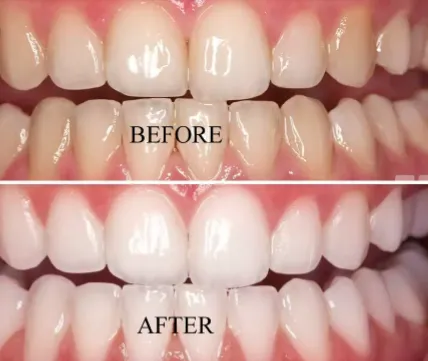
The long-term effects of teeth whitening with peroxide are generally considered safe, when used as directed. However, some studies suggest that repeated or excessive use of high-concentration peroxide can, potentially, weaken the enamel. This could lead to increased tooth sensitivity and a higher risk of cavities. Regular dental check-ups are important to monitor the condition of your teeth. Using fluoride treatments can help remineralize the enamel and protect against potential damage. Consulting with a dentist about long-term maintenance will ensure your teeth remain healthy. This is especially true if you regularly undergo teeth whitening procedures.
In conclusion, teeth whitening peroxide offers an effective way to brighten your smile, but it is essential to approach this process with knowledge and caution. By understanding the basics, the regulations, and the potential side effects, you can make informed decisions and maintain your oral health. Consulting a dental professional, choosing the right products, and practicing good aftercare are vital steps. With the right approach, you can achieve a brighter, more confident smile while ensuring your teeth remain healthy for years to come.