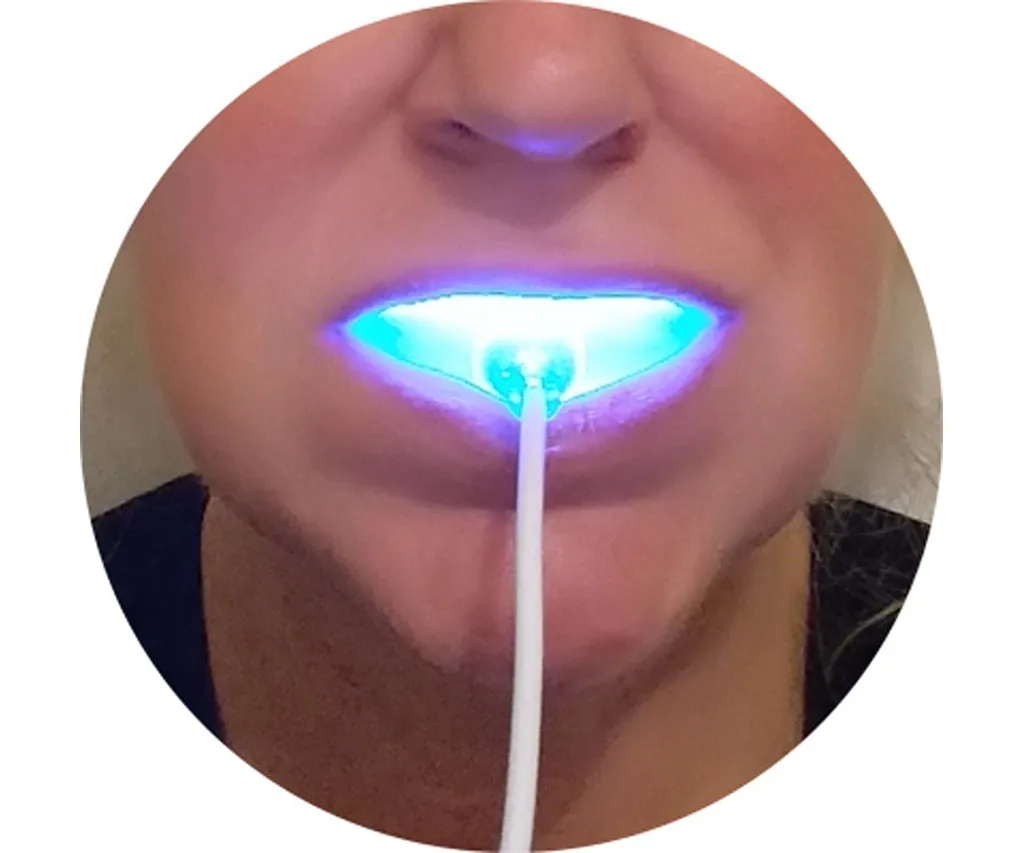
What is Teeth Whitening Light
Teeth whitening lights are devices designed to amplify the teeth whitening process. They generally employ LED or laser technology to accelerate the bleaching action of whitening agents. These lights emit specific wavelengths of light that, when directed at the teeth, can boost the effectiveness of the whitening gel. This technology offers a quicker and often more pronounced whitening outcome compared to methods that do not use light. The key purpose of these lights is to maximize the efficacy of the whitening agent and deliver faster results. Teeth whitening lights are a popular choice in both professional dental clinics and at-home whitening kits, as the light helps to improve the overall whitening process.
How Does Teeth Whitening Light Work
The operational principle of teeth whitening lights centers on using specific light wavelengths that interact with the whitening agent, typically hydrogen peroxide or carbamide peroxide. This interaction accelerates the chemical process, facilitating the breakdown of stain molecules found in the enamel. As the light engages with the whitening gel, the process speeds up, thereby enhancing the overall whitening effect. The light acts as a catalyst, not the primary whitening agent itself. Teeth whitening lights are common in both professional dental practices and at-home kits, as they contribute to a quicker and more noticeable whitening outcome. By using a light, the overall treatment duration is often shortened, and the degree of whiteness can be improved. The ultimate aim is to achieve a brighter, whiter smile by optimizing the whitening procedure using light.
The Role of Gel in Teeth Whitening

Whitening gels are the primary active ingredients in teeth whitening procedures. Typically containing hydrogen peroxide or carbamide peroxide, these gels are key to removing stains and discolorations from the teeth. Peroxide molecules penetrate the enamel, where they break down stain-causing particles. The whitening light is used in tandem with the gel to boost this process. Without the gel, the light’s impact is minimal, as the light alone does not have the capacity to whiten teeth. The gel is the core bleaching agent, and the light acts as an accelerator. You apply the gel using custom-fit trays that help ensure optimal contact between the gel and the teeth. The gel’s concentration, how long it’s applied, and whether a light is used all affect the final whitening results. The central role in teeth whitening is played by the gel.
Can You Use Teeth Whitening Light Without Gel
In a straightforward answer, no. Teeth whitening lights are designed to work in conjunction with a whitening agent, typically a gel that contains hydrogen peroxide or carbamide peroxide. The light itself cannot whiten teeth; instead, it quickens the chemical action of the whitening gel, making it more effective. Without the whitening gel, the light offers very little impact on the color of your teeth. The light’s function is that of a catalyst, not a standalone treatment. Although certain products may promote light-only methods, it’s crucial to consider scientific evidence and consult with dental professionals. The primary active component for achieving effective whitening is the whitening gel, with the light providing support.
Factors to Consider
When considering teeth whitening, several factors affect its effectiveness, particularly when light is involved. The concentration of the whitening agent is essential; higher concentrations often yield faster results but may increase sensitivity. Treatment duration is also critical; longer sessions can improve outcomes but must be balanced with safety considerations. Your teeth’s condition matters as existing fillings, crowns, or other dental work won’t whiten, so dental consultation is advised. Lifestyle choices like diet and smoking habits also play a role; individuals who eat staining foods or smoke might experience faster fading of results. Always follow the product’s instructions carefully and discuss the potential risks with a dentist before you start any teeth whitening process.
Effectiveness Without Gel

Using a teeth whitening light without a gel is generally ineffective. The light functions to trigger and improve the performance of the whitening agent; it does not perform the whitening itself. You might see some small changes from surface cleaning or the placebo effect, but any significant whitening without gel is improbable. The light needs an active bleaching component to act upon. Some products advertise “light-only” methods, but it’s important to verify these claims with scientific data and dental experts. The light is useful, but it is not a standalone treatment for teeth whitening. The most important factor is the whitening gel, with the light offering a supplementary role.
Safety Concerns
When using teeth whitening lights, safety is paramount. The main concern is potential tooth sensitivity and gum irritation, especially with higher-concentration gels or prolonged light exposure. Always adhere to the provided product instructions and avoid overuse, which may cause discomfort or harm to the enamel. Another point to consider is the light’s quality. Some lights may produce excessive heat or UV radiation, which could be damaging. Ensure that the lights you use meet safety standards and are designed for dental use. If you feel any sensitivity or discomfort, cease use immediately and seek advice from your dentist. Also, teeth whitening is not suitable for everyone, including children, pregnant individuals, and those with particular dental conditions. Prior to any teeth whitening treatment, consult your dentist to ensure it is both safe and appropriate for your needs.
Alternative Teeth Whitening Methods
If you’re looking for alternatives to teeth whitening with a light and gel, several options are available. Over-the-counter whitening toothpastes and mouthwashes can help remove surface stains and enhance your teeth’s brightness. Whitening strips, delivering a pre-measured dose of whitening agent directly to your teeth, are another popular choice. For more significant outcomes, professional treatments from a dentist include in-office whitening procedures and custom-fitted whitening trays. These professional options frequently utilize stronger whitening agents, under the supervision of a dental professional. Your dentist can offer tailored advice on the best method based on your oral health and desired outcomes. Evaluate all options to discover the most effective and safest technique for your needs.
Maintaining Your Results

Once you achieve your ideal level of whiteness, maintaining those results is important. Routine dental check-ups and cleanings are essential for eliminating surface stains and upholding general oral health. Limit or avoid staining foods and beverages, such as coffee, tea, red wine, and berries. If you do consume these items, rinse your mouth with water or brush your teeth shortly after. Practice good oral hygiene, brushing twice daily and flossing once a day, to prevent stains from setting. Using a whitening toothpaste or mouthwash for maintenance is an option, but follow the instructions carefully. Also, consider touch-up treatments as needed, and consult your dentist on the best practices for a lasting bright smile.
Professional vs At-Home Treatments
Choosing between professional treatments and at-home kits is a key consideration when it comes to teeth whitening. Professional treatments, carried out by a dentist, often provide quicker and more noticeable results due to the use of stronger whitening agents and the oversight of a dental professional. At-home kits are more budget-friendly and convenient, but may require more time to produce your desired level of whiteness. The effectiveness of at-home kits varies based on the strength of the whitening agent and consistent usage. Both options have pros and cons. Professional treatments ensure enhanced control and safety, while at-home kits offer affordability and flexibility. It’s vital to assess your preferences, budget, and oral health requirements when making this decision. It is advisable to consult your dentist, as they can assess your teeth and recommend the most suitable treatment plan for your needs.