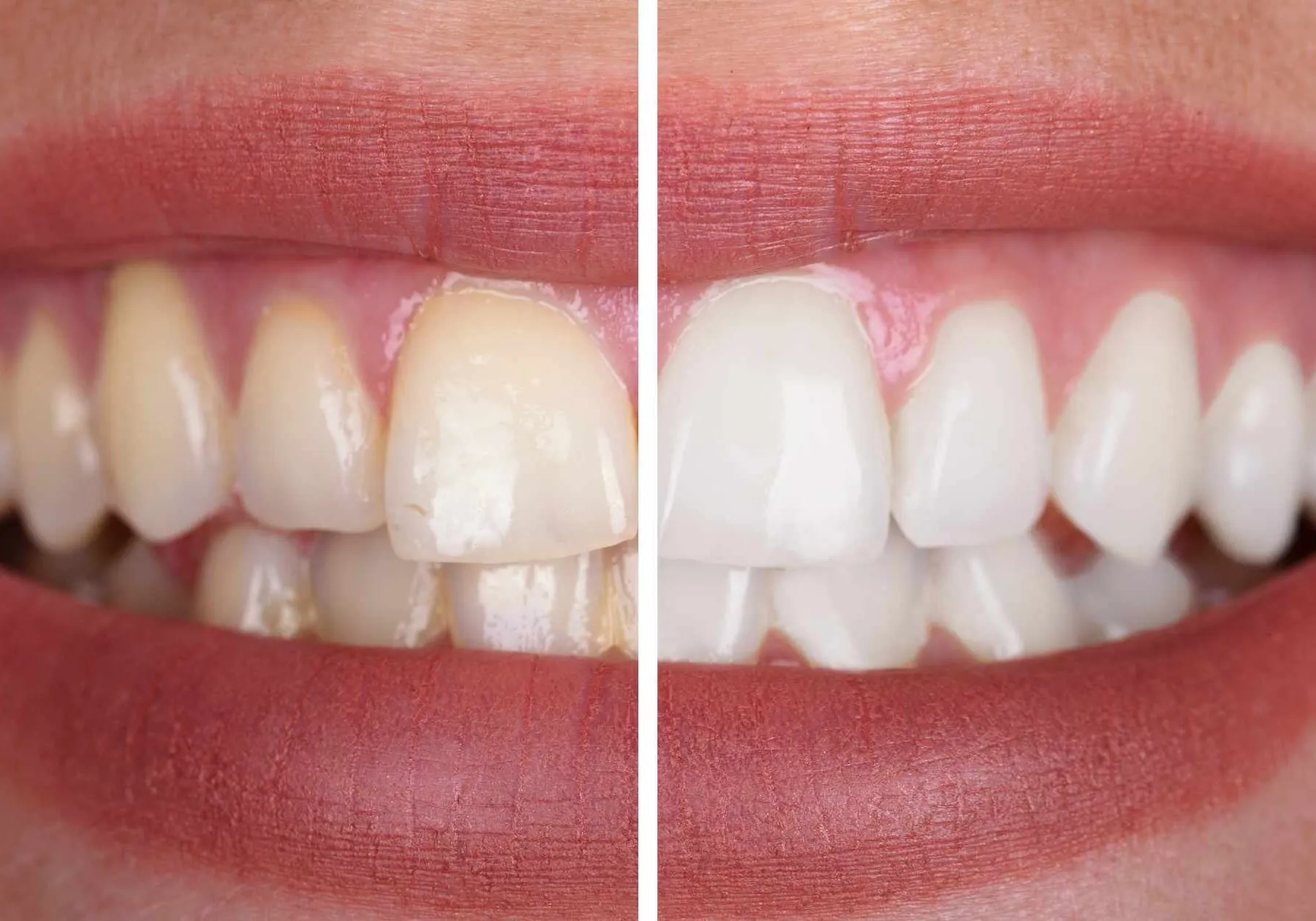
What is Teeth Whitening
Teeth whitening, also known as teeth bleaching, is a cosmetic dental procedure designed to lighten the color of your teeth and remove stains and discoloration. It’s one of the most popular and effective ways to enhance your smile, boosting your confidence and making you feel more self-assured. Over time, teeth can become stained due to various factors, including the foods and drinks we consume, such as coffee, tea, and red wine. Smoking and certain medications can also contribute to discoloration. Teeth whitening offers a solution to these issues, giving you a brighter, more youthful appearance.
How Teeth Whitening Works
Teeth whitening works by using bleaching agents, typically hydrogen peroxide or carbamide peroxide, to break down the stain molecules within the enamel of your teeth. These agents penetrate the enamel, and the active ingredients oxidize the discolored compounds, effectively lightening the teeth. The effectiveness of the whitening process depends on the concentration of the bleaching agent, the duration of the treatment, and the type of stains present. Professional whitening treatments use higher concentrations of bleaching agents, leading to faster and more dramatic results, whereas at-home kits contain lower concentrations for a gentler approach.
Different Types of Teeth Whitening

There are several methods available for teeth whitening, each with its own advantages and considerations. Understanding the different options will help you choose the best approach for your needs and preferences. Both in-office and at-home treatments can provide excellent results, though the speed and intensity of the whitening may vary. Consulting with your dentist is the best way to determine which method will work best for your specific situation and desired outcome, considering your oral health and the degree of staining.
In-Office Whitening
In-office teeth whitening, performed by a dental professional, offers the fastest and most effective results. The dentist applies a high-concentration bleaching agent to your teeth, often in multiple sessions, and uses a special light or laser to accelerate the whitening process. This method can significantly lighten your teeth in a single visit, making it ideal for those who want immediate results. The entire procedure is carefully monitored by a dentist to ensure safety and minimize any potential side effects. In-office whitening is a great option for people with deep stains or who want a rapid transformation.
At-Home Whitening
At-home teeth whitening kits provide a more convenient and cost-effective option. These kits typically include custom-fitted trays that hold a lower-concentration bleaching gel. You wear the trays for a specified period each day or night, depending on the product instructions, until you achieve your desired level of whiteness. At-home whitening can be purchased over-the-counter or prescribed by your dentist. While it may take longer to see results compared to in-office treatments, it offers the flexibility of whitening your teeth in the comfort of your home. Following the instructions carefully is essential to ensure safe and effective results.
Teeth Whitening Products

Numerous teeth whitening products are available on the market, each offering a different approach to achieving a brighter smile. From whitening toothpastes and strips to more advanced systems, it’s essential to understand the various options and their effectiveness. Your choice of product will depend on your budget, the level of whitening you desire, and your oral health. Consulting with your dentist can help you select the most appropriate product for your specific needs and provide guidance on its safe and effective use. Keep in mind that results can vary, and consistency is key when using at-home whitening products.
Whitening Toothpastes
Whitening toothpastes contain mild abrasives and chemicals that help remove surface stains from your teeth. They’re a gentle way to maintain the brightness of your smile, but they typically don’t change the underlying color of your teeth. Whitening toothpastes are readily available and can be incorporated into your daily oral hygiene routine. However, it’s important to note that they may not be as effective for deeper stains or significant discoloration. Look for toothpastes with ingredients like hydrated silica or calcium carbonate. Always follow the instructions on the packaging and consult your dentist if you have any concerns.
Whitening Strips
Whitening strips are thin, flexible strips coated with a peroxide-based whitening agent. They’re easy to use and can be applied directly to your teeth. Whitening strips are a popular at-home option and are available over-the-counter. Following the instructions carefully is essential for the best results, and the duration of use varies depending on the product. While whitening strips can be effective for mild to moderate stains, they might not be as effective for severe discoloration. Be mindful of potential side effects, such as increased tooth sensitivity, and consult with your dentist if you have any questions or concerns.
Teeth Whitening Procedure

Whether you choose in-office or at-home whitening, the procedure typically involves a few key steps. Understanding what to expect during the process will help you feel more comfortable and informed. Your dentist will assess your oral health and discuss your expectations before starting any treatment. The goal is to ensure that the whitening process is safe and effective for your specific needs and desired outcome. Be sure to follow your dentist’s or product instructions carefully to achieve the best results and minimize any potential side effects. The process is relatively simple, with significant results possible.
Consultation and Assessment
Before any teeth whitening procedure, your dentist will conduct a thorough examination of your teeth and gums. This assessment helps determine if you are a suitable candidate for whitening and identifies any potential issues that need to be addressed. The dentist will check for cavities, gum disease, or other dental problems that could be exacerbated by the whitening process. They will also discuss your desired results and explain the different whitening options available. This consultation is crucial for ensuring the safety and effectiveness of the treatment. Your dentist will also take photos, for future before and after comparison.
The Whitening Process
The whitening process itself varies depending on the chosen method. In-office whitening involves the application of a high-concentration bleaching agent to your teeth, followed by the use of a special light or laser to activate the whitening process. The dentist will typically apply the bleach multiple times during a single session. At-home whitening involves using custom-fitted trays with a lower-concentration bleaching gel, which you wear for a specified period each day or night. The specific steps and duration will depend on the product you are using. Regardless of the method, the goal is to lighten the color of your teeth and remove stains. Be sure to follow all instructions carefully.
Post-Whitening Care

Proper post-whitening care is essential to maintain your sparkling smile and prevent future stains. Following your dentist’s instructions and taking certain precautions will help you enjoy the benefits of your teeth whitening treatment for a longer period. This includes dietary adjustments and ongoing oral hygiene practices. The longevity of your results depends on how well you care for your teeth after the whitening process. Making smart choices about what you eat and drink, as well as maintaining a regular oral hygiene routine, can help ensure that your teeth stay bright and beautiful for years to come.
Dietary Restrictions
Following a “white diet” for the first few days after teeth whitening can help prevent your teeth from staining. This means avoiding foods and drinks that are known to cause stains, such as coffee, tea, red wine, and dark-colored berries. Stick to lighter-colored foods and beverages like white rice, chicken, and water. Being mindful of your dietary choices is crucial during this time, as your teeth are more susceptible to staining immediately after the whitening procedure. Following these guidelines helps maximize the effects of the whitening treatment. It is recommended to avoid these foods and drinks for at least 24-72 hours after the procedure.
Maintaining Your Smile
Maintaining a bright smile requires consistent oral hygiene habits and a few lifestyle adjustments. Brush your teeth at least twice a day with a whitening toothpaste, and floss daily to remove plaque and food particles. Consider using a straw when drinking stain-causing beverages like coffee and tea. Regular dental check-ups and professional cleanings are also essential for maintaining your oral health and the brightness of your teeth. Avoid smoking and excessive alcohol consumption. Staying committed to these practices can help maintain your dazzling results for an extended period.
Common Questions

Many people have questions about teeth whitening before undergoing the procedure. Addressing these common concerns can help alleviate any doubts and ensure a positive experience. Understanding the safety, potential side effects, and overall effectiveness of teeth whitening is essential. Consulting with your dentist is always recommended, as they can provide personalized advice and address any specific questions you may have. This ensures that you are well-informed and prepared to make an informed decision about teeth whitening.
Is Teeth Whitening Safe
Teeth whitening is generally considered safe when performed or supervised by a dental professional and when using approved products. However, it’s important to consult with your dentist before starting any whitening treatment to ensure that it is appropriate for your individual situation. People with sensitive teeth, gum disease, or other dental issues may need to take extra precautions or choose alternative options. Following the instructions carefully and avoiding overuse of whitening products is essential to minimize any risks. When used correctly, teeth whitening is a safe and effective way to enhance your smile. Be sure to follow your dentist’s recommendations.
Teeth Whitening Side Effects
The most common side effects of teeth whitening are increased tooth sensitivity and gum irritation. These side effects are usually temporary and subside within a few days after the treatment. Some people may experience minor discomfort or tingling during the whitening process. In rare cases, more severe side effects may occur. If you experience any unusual symptoms, such as severe pain or persistent irritation, contact your dentist immediately. Following all instructions and being mindful of your oral health is crucial for minimizing any potential side effects and enjoying the benefits of teeth whitening safely.
Teeth whitening can be a transformative procedure, giving you a brighter, more confident smile. Whether you choose in-office or at-home whitening, understanding the process, following the instructions carefully, and practicing good oral hygiene will help you achieve and maintain your desired results. Talk to your dentist to determine the best whitening option for you and embark on your journey toward a dazzling smile!