The Consultation Initial Assessment
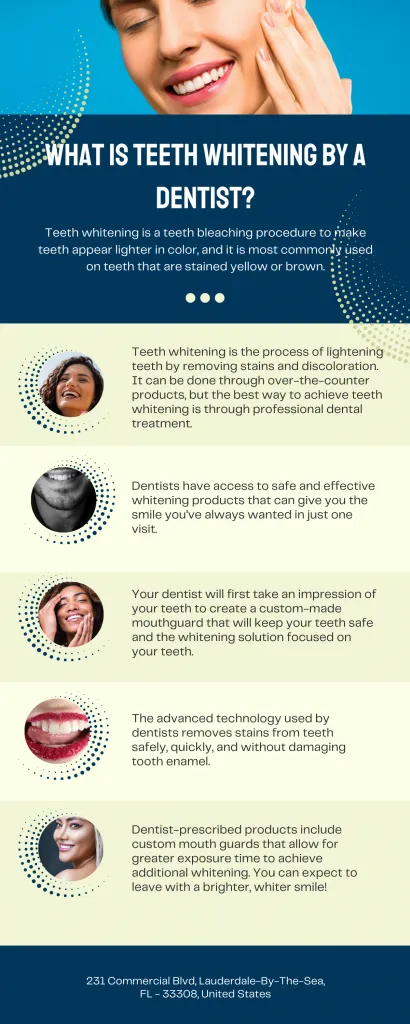
The first step in achieving a brighter smile through professional teeth whitening is the consultation. This initial assessment is more than just a preliminary meeting; it’s the foundation upon which a successful and personalized treatment plan is built. During this consultation, your dentist will take the time to discuss your aesthetic goals and comprehensively assess your oral health. The primary aim is to determine whether you are a suitable candidate for teeth whitening and identify any factors that could affect the procedure’s outcome or your overall dental well-being. This assessment also gives you the chance to express your expectations, ask questions, and learn about the various teeth whitening options available. It’s essentially the starting point of your journey toward a more confident smile, laying the groundwork for a treatment plan tailored to your unique requirements.
Evaluating Your Oral Health
Before any teeth whitening procedure can be initiated, a comprehensive evaluation of your oral health is essential. This detailed examination ensures that teeth whitening is a safe and appropriate option for you. During this stage, the dentist will meticulously assess your teeth, gums, and the overall condition of your mouth. They will look for potential issues, such as cavities, gum disease, or existing dental work (fillings, crowns), that could impact the whitening process or your comfort. Addressing any existing dental problems is crucial. For example, if you have cavities, these need to be addressed before whitening, as the whitening agent can penetrate the exposed areas and cause sensitivity or damage. Ensuring a healthy foundation is critical for maximizing the effectiveness of teeth whitening while minimizing any potential risks. The overarching goal is to make certain that the whitening process enhances your smile without compromising your overall dental health.
Identifying Stains and Discoloration

A crucial part of the initial assessment involves identifying the type and source of stains and discoloration affecting your teeth. Different types of stains call for different approaches, and understanding the origin of these stains is essential for developing an effective whitening strategy. Extrinsic stains, typically caused by foods and beverages like coffee, tea, and red wine, are those on the tooth’s surface. These are generally easier to remove through professional cleaning or whitening treatments. Intrinsic stains, however, reside within the tooth structure and can be caused by factors such as aging, certain medications, or dental trauma. These may necessitate more advanced whitening procedures or alternative cosmetic interventions. Accurately determining the type and severity of your discoloration allows the dentist to tailor the whitening treatment to your specific needs. This includes setting realistic expectations and ensuring the best possible results. Ultimately, the goal is to choose the most appropriate method for achieving your desired shade of white, ensuring a satisfying outcome.
Professional Cleaning Preparing Your Teeth
A professional cleaning is a critical preparatory step before the actual teeth whitening procedure. This cleaning isn’t just a cosmetic touch-up; it’s a fundamental step in maximizing the whitening treatment’s effectiveness. During the cleaning, the dental hygienist carefully removes plaque, tartar (calculus), and surface stains from your teeth. Plaque and tartar can create a barrier, preventing the whitening agent from directly contacting the tooth enamel. By removing these, the cleaning ensures the whitening solution can effectively penetrate the tooth’s surface, enhancing its impact. This preparation also creates a cleaner surface, which can lead to more even and consistent whitening results. The professional cleaning also gives the dentist a chance to evaluate your overall oral health and identify any potential concerns. This thorough preparation is key to ensuring the teeth whitening process is both effective and safe, paving the way for a brighter, healthier smile.
The Whitening Procedure
The teeth whitening procedure at the dentist is a meticulously orchestrated process designed to lighten the shade of your teeth, typically by several shades. Following a professional cleaning, the dentist takes specific steps to protect your gums and other soft tissues. These tissues can be highly sensitive to the whitening agents. This protection is often achieved using a protective gel or a rubber dam. Once these protective measures are in place, a whitening agent, often a hydrogen peroxide-based solution, is carefully applied to the surface of your teeth. Depending on the specific whitening system, the process may be enhanced through light or laser activation to accelerate the whitening effect. Throughout the procedure, the dentist diligently monitors your comfort level and the progress of the whitening, making necessary adjustments. The aim is to deliver the best possible results while minimizing any potential discomfort or sensitivity. This is achieved through careful application of the whitening agent and close monitoring.
Applying the Whitening Agent
The application of the whitening agent is a precise and essential step in the teeth whitening procedure. The dentist will carefully apply a professional-grade whitening solution to the surface of your teeth, ensuring even and thorough coverage. The concentration of the whitening agent is meticulously chosen based on your individual needs and the dentist’s careful evaluation of your teeth and gums. The primary objective is to achieve the desired level of whitening while minimizing the potential for any sensitivity. The whitening agent is generally a hydrogen peroxide-based gel. The dentist takes great care to avoid contact with the gums and other soft tissues, as the agent can cause irritation. The whitening agent is usually applied to the front surfaces of the teeth. Depending on the treatment, the dentist may apply the agent in multiple rounds during the session. Each application contributes to the overall whitening effect, increasing the brightness of your smile. This detailed approach helps ensure a safe and effective outcome, resulting in a brighter and more attractive smile.
Using Light or Laser Activation
Many dentists utilize light or laser activation to amplify the effectiveness of the teeth whitening process. After the whitening agent is applied to your teeth, a special light or laser is directed at them. The light or laser boosts the chemical reaction of the whitening agent. It helps to break down stains and discoloration more efficiently. This light activation can considerably accelerate the whitening process. It often leads to more dramatic results in a shorter time frame. The light employed is frequently a specific wavelength. It’s carefully designed to interact with the whitening agent without damaging the teeth or gums. The dentist vigilantly manages the light exposure’s intensity and duration. While light or laser activation can be effective, its use is not always a necessity. The decision depends on the particular whitening system employed and the dentist’s preferences. The choice to use light activation is tailored to your specific needs and the dentist’s overall treatment strategy to achieve the best possible outcome.
The Whitening Process Steps
The teeth whitening process at the dentist involves several carefully coordinated steps, each playing a crucial role in achieving optimal results. It usually commences with a comprehensive evaluation of your oral health. This is to determine if whitening is the right choice. Next comes a professional cleaning to remove surface stains and prepare your teeth. After this, the whitening agent is meticulously applied, often in multiple rounds, to ensure even coverage. If the dentist is using light or laser activation, it will be used after each application of the whitening solution. Throughout the procedure, the dentist continuously monitors your comfort level and checks for any signs of sensitivity. The number of sessions needed will depend on the extent of staining and the desired degree of whitening. Following the whitening process, you will receive detailed post-whitening care instructions. These typically include dietary guidelines and recommendations for oral hygiene. Following these steps ensures that the teeth whitening process is both safe and effective, resulting in a brighter and more confident smile.
Monitoring and Adjustments

Throughout the teeth whitening procedure, the dentist continuously monitors your comfort and the progress of the treatment. This ongoing monitoring is essential for ensuring that the procedure is both safe and effective. The dentist will regularly ask about your comfort level and look for any signs of sensitivity, which can be a common side effect of the treatment. Based on your feedback and the visual changes in your teeth, the dentist may make adjustments to the whitening process. These could include altering the concentration of the whitening agent, modifying the duration of the treatment, or changing the light activation settings. This adaptive approach allows the dentist to customize the procedure to your individual needs, optimizing the results while minimizing any discomfort. The main goal is to achieve your desired level of whiteness while keeping your comfort a priority throughout the process. This careful monitoring and adjustment are hallmarks of professional teeth whitening, distinguishing it from over-the-counter options.
Post-Whitening Care
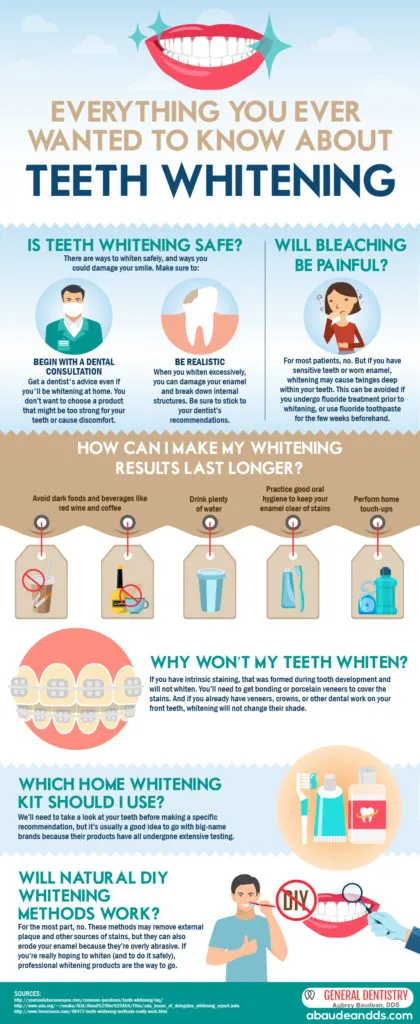
Post-whitening care is a crucial aspect of maintaining the results and ensuring the continued health of your teeth after the teeth whitening procedure. Your dentist will provide detailed instructions tailored to your unique situation. These instructions will typically include guidance on avoiding certain foods and beverages that can stain your teeth, like coffee, tea, red wine, and highly pigmented foods. You will also be advised on the use of a specific toothpaste formulated to maintain the whitening results. These toothpastes often contain ingredients that help prevent new stains from forming. In addition, your dentist may recommend a fluoride treatment to strengthen your enamel. This thorough post-whitening care plan is designed to help you enjoy your brighter smile for an extended period. It protects your investment in your dental health and ensures you can maintain the longevity of your results. Adhering to these guidelines is critical for preserving the benefits of your teeth whitening and keeping your smile looking its best.
Dietary Restrictions
Following teeth whitening, specific dietary restrictions are essential for protecting your newly whitened smile. In the initial few days after the procedure, you should avoid foods and drinks that are highly pigmented. These items can stain your teeth. This includes coffee, tea, red wine, berries, and dark sauces. A “white diet” is often recommended, including foods like white rice, pasta, chicken, and dairy products. This restriction is vital because tooth enamel is slightly more porous immediately after whitening, making it more vulnerable to staining. The duration for adhering to these dietary restrictions will vary depending on the type of whitening treatment and your dentist’s particular recommendations. Sticking to these dietary guidelines is a vital step in protecting your investment in a brighter smile and ensuring the longevity of your whitening results. By making the right food choices, you can help keep your teeth looking their best.
Maintaining Your Results

Maintaining the results of your teeth whitening requires a consistent and comprehensive approach, integrating diligent oral hygiene practices with informed lifestyle choices. Regular oral hygiene, including brushing at least twice a day and flossing daily to remove plaque and prevent staining, is key. Using a whitening toothpaste can also help, as these toothpastes often include gentle abrasives or agents that remove stains. Regular dental checkups and cleanings are vital, as they provide an opportunity for your dentist to remove any surface stains and assess your overall oral health. Limiting your intake of staining foods and beverages, such as coffee and red wine, will also help prolong the life of your whitening results. Avoiding tobacco products is another essential aspect of maintaining a bright smile. The combination of diligent oral hygiene, regular dental visits, and conscious dietary and lifestyle choices, work together to ensure your smile remains radiant and healthy for many years to come, safeguarding your investment in a brighter smile.
Follow-Up Appointments
Follow-up appointments play an important role in the teeth whitening process, serving to maintain the results and ensure your ongoing oral health. Your dentist may schedule a follow-up appointment a few weeks after the whitening procedure to assess the results and check for any sensitivity or other issues. During this appointment, the dentist can evaluate the shade of your teeth and determine if any touch-up treatments are needed. Regular dental checkups and cleanings are also essential components of follow-up care. These appointments allow the dentist to monitor your overall oral health and address any potential concerns. The dentist will also provide guidance on maintaining your results, including recommendations for oral hygiene practices and the use of whitening products. These follow-up appointments are key to ensuring you maintain your bright, healthy smile and address any arising concerns. These periodic check-ins give you the opportunity to optimize your teeth whitening results and promote long-term oral well-being.