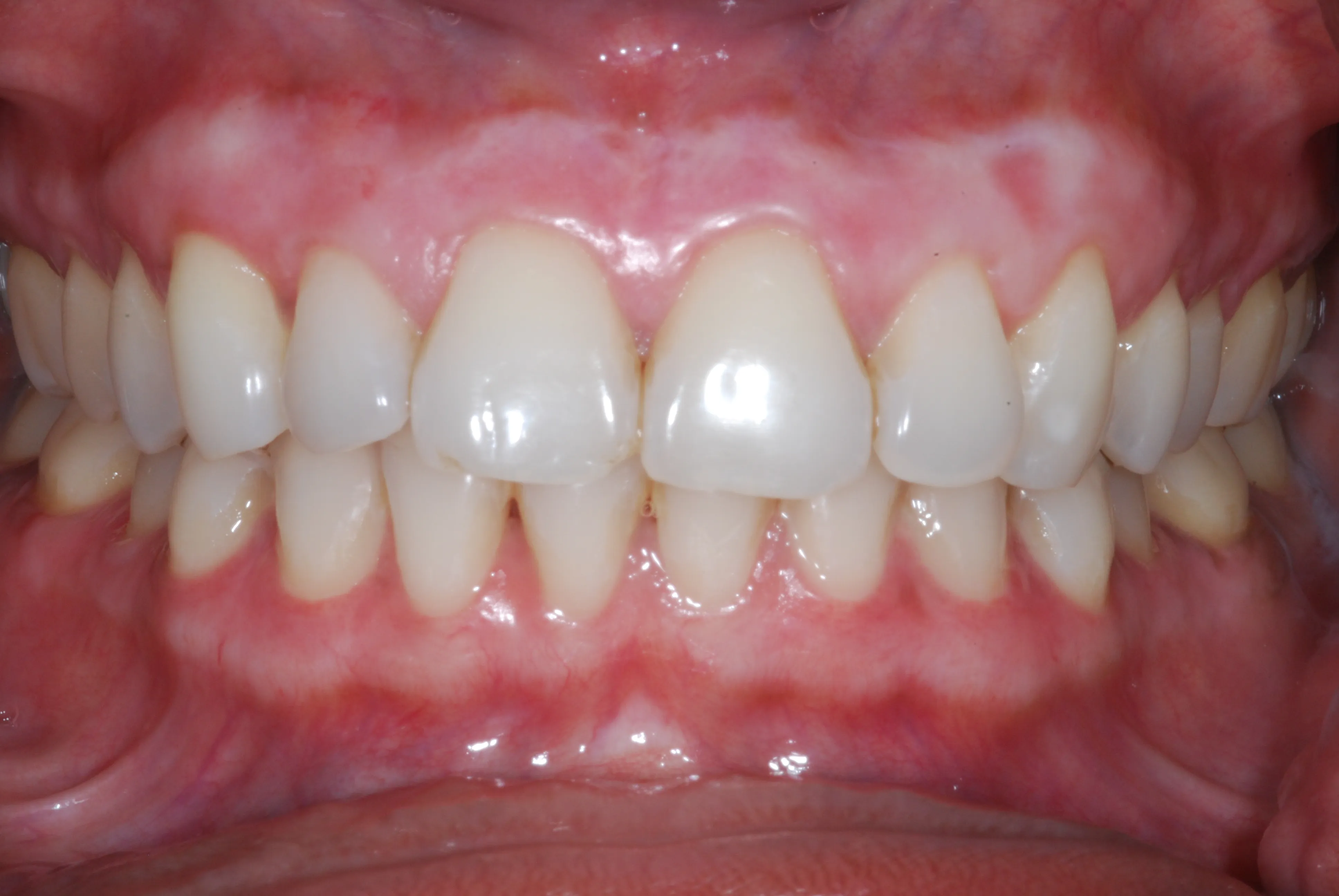
Teeth Whitening & Gum Health Overview
Teeth whitening has become a popular cosmetic procedure, promising brighter, more aesthetically pleasing smiles. However, as with any dental treatment, it’s crucial to understand the potential risks involved, especially concerning gum health. While the goal is often to enhance your smile, it’s essential to ensure that the process doesn’t compromise the health of your gums. This article delves into the relationship between teeth whitening and gum damage, providing insights into the procedures, potential risks, and preventive measures to keep your smile bright and your gums healthy.
What is Teeth Whitening?
Teeth whitening is a process designed to lighten the shade of your teeth, removing stains and discoloration. This is achieved through the use of bleaching agents, typically containing hydrogen peroxide or carbamide peroxide. These agents penetrate the enamel of the teeth, breaking down the stain molecules. The effectiveness of the treatment depends on the concentration of the bleaching agent, the duration of application, and the type of stains present. Understanding the basic mechanism of teeth whitening helps in appreciating the potential impact on gum health.
Common Teeth Whitening Methods

There are several methods available for teeth whitening, each with its own set of advantages and potential risks. These methods can be broadly categorized into professional treatments administered by a dentist and at-home kits available over the counter or prescribed by a dentist. The choice of method often depends on the desired level of whitening, the budget, and the individual’s dental health. It’s important to be aware of the differences to make informed decisions about your oral care.
Professional Whitening
Professional teeth whitening is performed in a dental office and usually involves a higher concentration of bleaching agents than at-home kits. Before the procedure, your dentist will typically protect your gums with a protective barrier, such as a rubber dam or a gel applied along the gum line. This is crucial to minimize the contact of the bleaching agent with the sensitive gum tissue. The dentist then applies the whitening solution to the teeth, often using a special light or laser to accelerate the process. This method typically delivers faster and more dramatic results.
At-Home Whitening Kits
At-home whitening kits include whitening strips, trays filled with whitening gel, and whitening toothpastes. The concentration of the bleaching agent in these kits is lower than in professional treatments, making them safer for unsupervised use. However, they may still pose a risk to gum health if not used according to the instructions. Whitening strips are designed to be applied directly to the teeth, while trays are custom-fitted or pre-molded to hold the whitening gel against the teeth. It is important to follow the instructions carefully to avoid gum irritation.
Potential Gum Damage from Teeth Whitening

While teeth whitening is generally considered safe when performed or used correctly, it can sometimes lead to gum damage. The most common types of damage include gum irritation, sensitivity, and in rare cases, more severe issues like chemical burns or gum recession. Understanding these potential risks is essential for making informed decisions about your dental health and taking appropriate precautions.
Gum Irritation & Sensitivity
Gum irritation and sensitivity are the most common side effects of teeth whitening. The bleaching agents can come into contact with the gum tissue, leading to inflammation, redness, and tenderness. This can happen with both professional and at-home treatments, especially if the protective measures are not properly implemented or followed. The degree of irritation can vary depending on the concentration of the bleaching agent, the duration of the treatment, and the individual’s sensitivity. Proper application techniques and following the instructions are essential for minimizing gum irritation.
Chemical Burns
In rare cases, teeth whitening can cause chemical burns on the gums. This typically happens when a high concentration of the bleaching agent comes into prolonged contact with the gum tissue. Chemical burns can manifest as white or raw patches on the gums, causing significant pain and discomfort. Professional treatments use protective barriers to prevent this, but at-home kits require careful application and adherence to instructions. If you experience any signs of chemical burns, it’s important to seek dental attention immediately.
Gum Recession

Gum recession, a more long-term effect, can occur if the bleaching agent causes chronic irritation or damage to the gums. Gum recession involves the shrinking of the gum tissue, exposing more of the tooth’s root. This can lead to increased tooth sensitivity, an increased risk of cavities, and an unaesthetic appearance. While rare, it’s a serious potential consequence that underscores the importance of proper application techniques and regular dental checkups. If you notice any signs of gum recession, consult with your dentist.
How to Prevent Gum Damage during Whitening
Preventing gum damage during teeth whitening is crucial for maintaining overall oral health. Fortunately, there are several steps you can take to minimize the risk of adverse effects and keep your gums healthy throughout the process. These preventative measures include consulting your dentist, following instructions carefully, and choosing the right whitening method.
Consult Your Dentist
Before undergoing any teeth whitening procedure, it’s essential to consult your dentist. They can assess the health of your gums and teeth, identify any existing conditions that might make you more susceptible to damage, and recommend the most appropriate whitening method for your specific needs. Your dentist can also provide professional treatment, ensuring that protective measures are in place and reducing the risk of complications. Regular dental check-ups are essential for evaluating your oral health and getting professional advice.
Follow Instructions Carefully

Whether you choose professional whitening or an at-home kit, carefully following the instructions is crucial. This includes adhering to the recommended application time, using the correct amount of product, and avoiding over-whitening. Overuse of whitening products can significantly increase the risk of gum irritation and sensitivity. If you experience any discomfort, such as pain, redness, or swelling, discontinue use and consult your dentist. Accurate application and adhering to guidelines are essential for safe teeth whitening.
Choose the Right Whitening Method
The choice of whitening method can significantly impact your gum health. Professional treatments, when performed by a qualified dentist, often provide greater protection for your gums. At-home kits vary in strength and effectiveness, so it’s important to select a product that is appropriate for your needs and dental health. Consider your gums’ sensitivity and follow your dentist’s recommendations. Always prioritize your oral health over the desire for immediate results. Choosing the right method is a key step in preventing potential harm.
Top 5 Facts on Teeth Whitening & Gum Damage
Here are the top 5 facts to keep in mind regarding teeth whitening and the potential impact on your gums:
Fact 1 Understand the Process

Teeth whitening involves using bleaching agents to lighten the teeth. Knowing the underlying chemical reaction helps you understand the potential risks to your gums, which are sensitive tissues. Educate yourself about how the process works, including the different methods and agents used. This knowledge is a critical first step in ensuring safe and effective whitening.
Fact 2 Know the Risks
The potential risks include gum irritation, sensitivity, chemical burns, and, in rare cases, gum recession. Being aware of these risks empowers you to take precautions and seek professional help if necessary. Make sure you fully understand the potential consequences before you decide to proceed with teeth whitening.
Fact 3 Choose the Right Product
Select a whitening product that suits your needs, and follow your dentist’s recommendations. Professional treatments offer added protection, while at-home kits require careful application. Take into account the concentration of the bleaching agent and potential risks. Prioritize a safe, effective whitening solution for a better outcome.
Fact 4 Follow Safety Protocols

Always follow the manufacturer’s instructions carefully, and never exceed the recommended treatment duration. Using the right application techniques minimizes the risk of gum irritation. If you experience any discomfort or pain, consult your dentist immediately. Adhering to all safety protocols helps keep your gums healthy.
Fact 5 Monitor Your Gums
Pay attention to your gums during and after the whitening process. Watch for signs of irritation, such as redness, swelling, or sensitivity. If you notice any changes, seek professional advice. Regular monitoring, combined with preventative measures, is critical for maintaining your oral health.
In conclusion, while teeth whitening can be an effective way to enhance your smile, it’s essential to be aware of the potential risks to your gums. By understanding the process, potential damage, and preventive measures, you can make informed decisions and keep your gums healthy while achieving a brighter smile. Always consult your dentist for personalized advice and ensure that you are following the appropriate safety guidelines. Prioritize your oral health, and enjoy the confidence that comes with a beautiful, healthy smile.