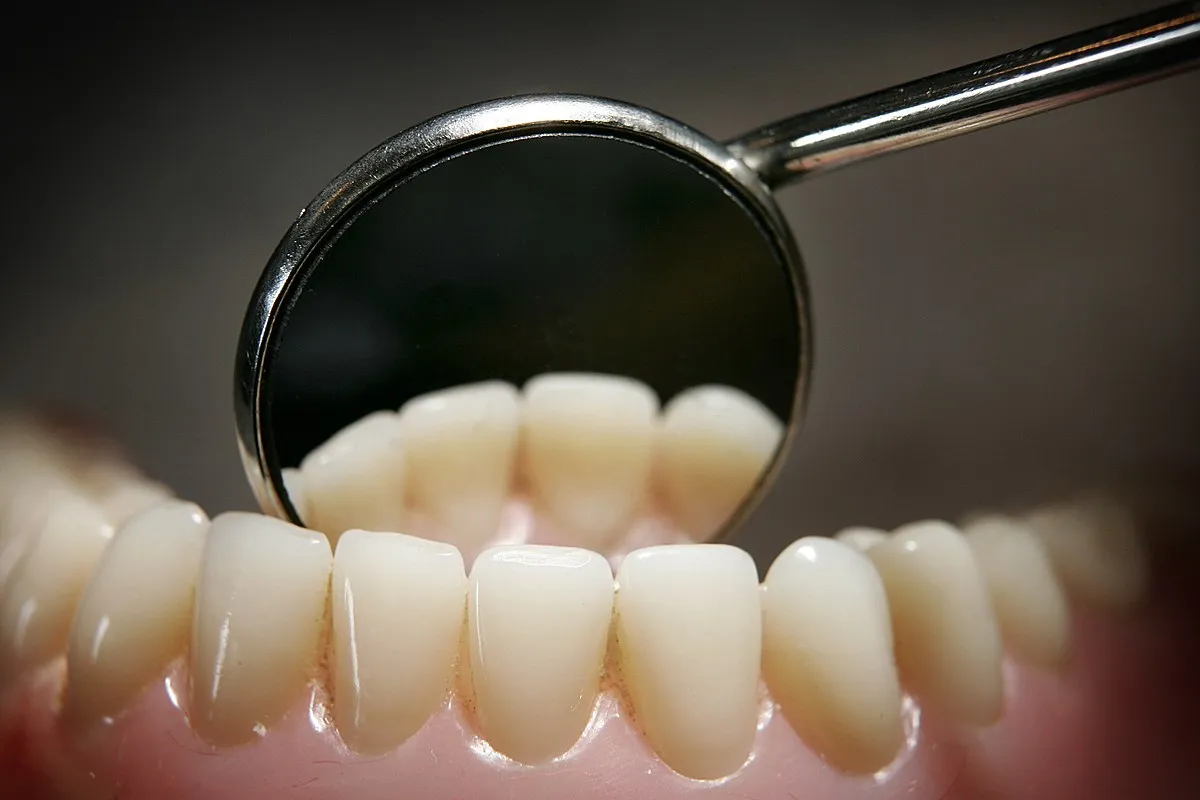
Teeth whitening has become a popular cosmetic procedure, promising a brighter, more confident smile. However, it’s crucial to understand the process and potential risks before embarking on this journey. This article delves into the dangers of teeth whitening, providing essential insights into how it works, its potential side effects, and how to minimize risks. This information will help you make informed decisions about your dental health.
What is Teeth Whitening and How Does It Work?
Teeth whitening involves removing stains and discoloration from the teeth to achieve a lighter shade. The process typically uses bleaching agents that penetrate the enamel to break down stain molecules. These stains can originate from various sources such as coffee, tea, red wine, and tobacco. The effectiveness of teeth whitening depends on the type of stain, the concentration of the bleaching agent, and the duration of the treatment. Understanding the basic mechanisms is key to appreciating the potential dangers.
The Science Behind Teeth Whitening Products
Most teeth whitening products use either hydrogen peroxide or carbamide peroxide as their active ingredients. When these agents come into contact with the teeth, they release oxygen radicals. These radicals react with the stain molecules, breaking them down and making them less visible. The concentration of the peroxide determines the strength of the bleaching action. Professional treatments often use higher concentrations than over-the-counter products, leading to faster results but also potentially increasing the risk of adverse effects. This process, while effective, can impact the structure of the tooth.
Common Ingredients in Whitening Products

Beyond the active bleaching agents, teeth whitening products contain other ingredients designed to improve their efficacy or address potential side effects. These can include stabilizers to maintain the product’s shelf life, thickeners to control the product’s consistency, and flavoring agents to improve taste. Some products also contain desensitizing agents, such as potassium nitrate, to reduce tooth sensitivity. The presence of these additional components can sometimes contribute to allergic reactions or other sensitivities, so it’s important to check the ingredient list before use.
The 5 Major Dangers of Teeth Whitening
Enamel Erosion and Sensitivity
One of the most significant risks of teeth whitening is enamel erosion. The bleaching agents can weaken the enamel, making teeth more porous and susceptible to sensitivity. This sensitivity can manifest as sharp pain when consuming hot or cold foods and drinks. Overuse of whitening products or the use of high-concentration solutions increases the risk of enamel erosion. This is one of the most critical concerns, as enamel does not regenerate. Proper application and adherence to instructions are crucial to mitigate this risk. Regular check-ups with your dentist can help monitor enamel health and suggest appropriate preventive measures.
Gum Irritation and Damage

Teeth whitening products can cause gum irritation and damage. If the bleaching agent comes into contact with the soft tissues of the gums, it can lead to inflammation, redness, and even blistering. This is particularly common with ill-fitting whitening trays or products used incorrectly. The high concentration of peroxide can chemically burn the gums. Proper application techniques and using products as directed are essential to avoid this. If you experience gum irritation, it is crucial to stop the whitening treatment and consult with your dentist immediately to prevent further damage and discomfort.
Potential for Tooth Discoloration
Ironically, teeth whitening can sometimes lead to tooth discoloration. This can happen if the whitening treatment is uneven, causing some areas of the teeth to bleach more than others. Also, if the underlying cause of discoloration is not addressed, such as deep stains from medications or intrinsic staining, the whitening treatment may not be effective, and the teeth may appear uneven in color or still discolored. In some cases, the whitening process can also make existing stains more noticeable. Consulting with a dentist to identify the cause of the discoloration beforehand can ensure the most appropriate treatment approach and help prevent this adverse outcome.
Risk of Allergic Reactions
Although less common, allergic reactions to teeth whitening products can occur. These reactions may be caused by any of the ingredients in the product, including the bleaching agents or various additives. Symptoms of an allergic reaction can range from mild, such as itching and swelling of the gums, to more severe reactions, such as difficulty breathing. If you experience any signs of an allergic reaction, you should stop using the product immediately and seek medical attention. It’s advisable to consult with a dentist to determine the specific allergen and to explore safer alternatives for teeth whitening.
Damage to Existing Dental Work

Teeth whitening products do not whiten existing dental work such as fillings, crowns, and veneers. This means that after whitening, these restorations may appear darker than the surrounding natural teeth. The contrast can be particularly noticeable, leading to an uneven and aesthetically displeasing result. In some instances, the whitening agent may interact with the materials used in dental work, causing damage or discoloration. Before undergoing teeth whitening, consult your dentist about any existing dental work to discuss potential impacts and determine the best course of action, such as replacing older restorations to match your newly whitened teeth.
How to Minimize Risks and Whiten Safely
Consulting with a Dentist
Before starting any teeth whitening treatment, consulting with a dentist is crucial. A dentist can assess your oral health, identify any underlying issues such as cavities or gum disease, and determine if teeth whitening is suitable for you. They can also recommend the safest and most effective whitening options based on your individual needs. Professional advice helps to minimize risks and ensures a more successful outcome. Your dentist can also provide custom-fitted whitening trays, which are more effective and reduce the chance of gum irritation compared to generic over-the-counter products.
Choosing the Right Whitening Products

When selecting teeth whitening products, consider the concentration of the active ingredient and the product’s formulation. Over-the-counter products often contain lower concentrations of hydrogen peroxide or carbamide peroxide, making them a safer choice for beginners. However, they may require longer use to achieve noticeable results. Professional treatments offer stronger concentrations and may be more effective for deep stains, but they also carry a higher risk. Always look for products with the American Dental Association (ADA) Seal of Acceptance, which indicates that the product has been tested and is safe for use according to established standards.
Following Instructions Carefully
Strict adherence to the product instructions is paramount. Exceeding the recommended usage time or applying excessive amounts of the product can increase the risk of side effects such as enamel erosion, gum irritation, and tooth sensitivity. Carefully read and follow the manufacturer’s directions, including the recommended duration of use and the frequency of applications. If you experience any adverse reactions, stop using the product immediately and seek professional advice from your dentist. Consistent adherence to instructions will improve safety and ensure that you achieve the best possible results while minimizing potential harm.
Using Sensitivity Products
If you experience tooth sensitivity during or after teeth whitening, using desensitizing products can provide relief. Toothpastes containing potassium nitrate are particularly effective at reducing sensitivity by blocking the pathways that transmit pain signals to the nerves. Applying a desensitizing gel or varnish recommended by your dentist can also help to protect your teeth. It’s important to use these products as directed and to consult with your dentist if sensitivity persists or worsens. Combining the use of sensitivity products with a well-formulated whitening process helps to maximize safety.
When to Avoid Teeth Whitening

Teeth Whitening for Those with Sensitive Teeth
Individuals with pre-existing tooth sensitivity should approach teeth whitening with caution. The bleaching agents can exacerbate sensitivity, making it more uncomfortable. If you have sensitive teeth, consult your dentist before proceeding. They may recommend a lower concentration of the whitening agent or suggest alternative methods, such as custom-fitted trays with desensitizing agents, to minimize discomfort. In some cases, whitening might not be advisable, and the dentist may suggest alternative cosmetic procedures to achieve the desired aesthetic result.
Teeth Whitening for People with Dental Work
People with existing dental work should also exercise caution. Whitening treatments do not lighten fillings, crowns, or veneers. Therefore, the surrounding natural teeth may become lighter, and the restorations will not match, potentially creating an uneven appearance. Before undergoing teeth whitening, discuss the situation with your dentist. They can evaluate your existing dental work and advise you on the best approach, which may involve replacing old restorations to match the new shade of your teeth. In certain instances, alternative cosmetic procedures may be needed to achieve uniform results, such as veneers or bonding, to achieve the desired smile transformation.
In conclusion, while teeth whitening offers a path to a brighter smile, it’s crucial to approach it with awareness and caution. Understanding the potential dangers, from enamel erosion to gum irritation and potential discoloration, is essential for making informed choices. By consulting with a dentist, choosing the right products, adhering to instructions, and addressing any sensitivity, you can minimize risks and achieve a safer, more radiant smile. Always prioritize your oral health, and make the best choices for your unique needs and circumstances. Remember that a healthy smile is a beautiful smile.