What is Professional Teeth Whitening?
Professional teeth whitening is a cosmetic dental procedure designed to brighten and lighten the shade of your teeth. Unlike over-the-counter options, professional whitening is performed or supervised by a dentist, ensuring both effectiveness and safety. The process typically involves the application of a high-concentration bleaching agent, such as hydrogen peroxide or carbamide peroxide, to the surface of the teeth. This agent penetrates the enamel and dentin, breaking down stain molecules and resulting in a significantly whiter smile. The results are often dramatic, with teeth becoming several shades lighter in a single session. The key advantage of professional whitening lies in its ability to deliver more potent treatments, yielding faster and more noticeable results compared to at-home methods. This also ensures the dentist can assess your dental health and address any underlying issues before commencing the whitening procedure.
Types of Professional Teeth Whitening
Professional teeth whitening offers a range of options to suit different preferences and needs. The two primary categories include in-office whitening and at-home whitening kits provided by your dentist. Each method has its own set of advantages, costs, and procedures. Understanding the distinctions between these options can help you make an informed decision about the best approach to achieve your desired results. Your dentist will guide you through which of these options suits your situation.
In-Office Whitening

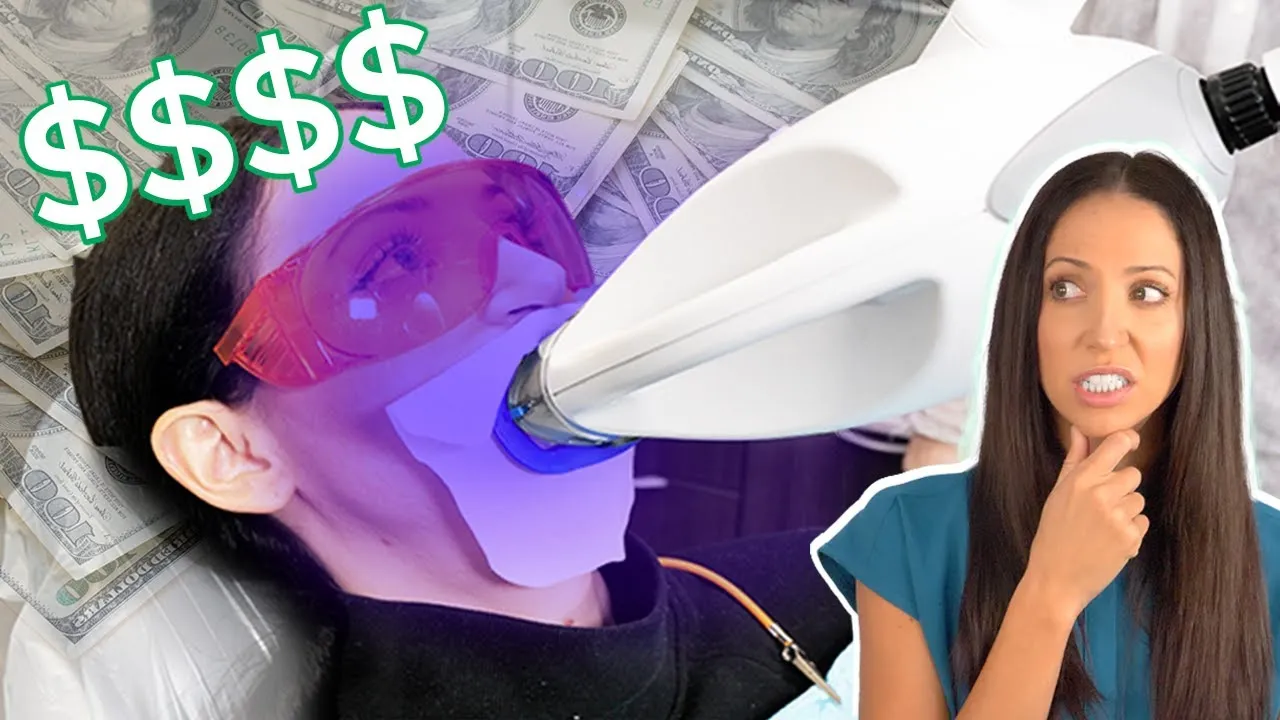
In-office teeth whitening is the most immediate and effective method, performed directly in a dental office. The dentist applies a high-concentration bleaching gel to the teeth, and in many cases, uses a special light or laser to accelerate the whitening process. This technique often produces dramatic results in a single visit, making it a popular choice for those seeking rapid improvement. The entire procedure typically takes about an hour to an hour and a half. The cost is generally higher than at-home alternatives, but the convenience and immediate impact make it a worthwhile investment for many individuals. This method is also monitored by a dental professional, minimizing risks and ensuring a safe and effective treatment.
At-Home Whitening Kits from Dentist
Dentist-provided at-home whitening kits offer a more gradual yet effective approach to teeth whitening. These kits typically include custom-fitted trays designed to perfectly fit your teeth, ensuring even application of the bleaching agent. Your dentist will provide instructions and guidance on how to use the kit, including the recommended duration of use and the concentration of the bleaching agent. While results take longer to appear compared to in-office treatments, the at-home method is generally more cost-effective and allows for greater flexibility in your daily routine. These kits still offer a professional-grade experience, with the added advantage of being able to whiten your teeth in the comfort of your own home. Regular check-ins with your dentist ensure proper use and monitor the results.
Factors Influencing Teeth Whitening Cost
Several factors can affect the overall cost of professional teeth whitening. Understanding these variables can help you budget effectively and make informed decisions about your treatment. From the type of whitening procedure to the location of your dentist, various elements contribute to the final price. Considering each of these elements will give you a clearer idea of what to expect and allow you to plan accordingly. The cost of the whitening procedure can vary significantly.
Geographic Location

The geographic location of your dental practice plays a significant role in determining teeth whitening costs. Dental service prices often vary based on the cost of living, demand, and regional economic factors. Practices in major metropolitan areas or regions with higher living costs tend to have higher prices compared to those in smaller towns or rural areas. It’s beneficial to research average costs in your area to get a better understanding of local pricing. Furthermore, compare prices between different dental offices within your vicinity to find the most competitive rates. Be aware of the prevailing economic conditions and how they influence healthcare services, ensuring you select a practice that offers value and expertise within your budget.
Dentist’s Experience and Reputation
The experience and reputation of the dentist also play a crucial role in the cost of teeth whitening. Highly experienced dentists, particularly those specializing in cosmetic dentistry, may charge more for their services due to their advanced skills, expertise, and the quality of care they provide. Dentists with strong reputations, positive patient reviews, and a track record of successful results often command higher fees. It’s worth considering the dentist’s qualifications, certifications, and before-and-after photos to assess the quality of their work. While cost is a factor, prioritizing the experience and reputation of the dentist can ensure you receive a safe and effective whitening treatment, ultimately yielding the best possible outcome for your smile. Invest time in finding a professional you trust.
Type of Whitening Treatment
The specific type of teeth whitening treatment you choose directly influences the cost. In-office whitening, which involves professional application in a dental clinic, typically costs more than at-home whitening kits. This is due to the higher concentration of bleaching agents used, the advanced technology involved (like special lights or lasers), and the direct involvement of the dentist. At-home kits, provided by your dentist, are generally less expensive because they require a more gradual approach and can be administered at your convenience. The differences in cost reflect the varying degrees of time, resources, and expertise required for each method. It’s crucial to consider your desired level of whitening, time constraints, and budget when selecting the most suitable treatment. Your dentist will guide you through this decision-making process.
Number of Treatments Needed

The total cost of teeth whitening can also depend on the number of treatments required to achieve your desired level of brightness. In-office whitening often provides immediate results, and you might achieve your goals in a single session. However, for more significant staining or discoloration, multiple sessions may be needed, increasing the overall cost. At-home whitening kits usually involve a series of applications over several weeks, depending on the specific product and your dentist’s instructions. This could potentially impact the overall expense. It’s essential to discuss your expectations and the likely number of treatments with your dentist during the initial consultation. They can provide an accurate estimate of the total cost based on your individual needs and the anticipated outcome of the whitening process. Plan accordingly for potential additional sessions.
Cost Breakdown of Professional Teeth Whitening
Understanding the different components that make up the cost of professional teeth whitening provides a clearer picture of the overall expense. The primary cost elements include the initial consultation, the whitening procedure itself, and any post-whitening care products. Each of these components contributes to the total cost, offering insights into where your money is allocated. This breakdown enables you to better evaluate the value of the service and make an informed decision. Consider the various parts that make up the total cost.
Initial Consultation and Examination
Before undergoing teeth whitening, an initial consultation and examination are essential. This appointment usually includes a comprehensive assessment of your oral health, a review of your medical history, and a discussion of your aesthetic goals. The dentist will examine your teeth for existing dental work (such as fillings or crowns), assess the overall health of your gums, and determine if you are a suitable candidate for the procedure. The cost of this consultation will vary depending on the dentist and the complexity of the exam. This initial step helps the dentist to tailor a whitening plan that addresses your specific needs and ensures the safety and effectiveness of the treatment. It is a crucial first step that needs to be addressed.
Whitening Procedure Cost

The main component of the cost is the teeth whitening procedure itself. This includes the materials, equipment, and the dentist’s time and expertise. In-office whitening procedures are generally more expensive due to the higher concentration of bleaching agents used, the specialized equipment (such as lasers or lights), and the immediate results they provide. The cost covers the application of the whitening agent, the use of any light-accelerating technology, and the dentist’s monitoring throughout the process. At-home whitening kits, on the other hand, involve the cost of the custom-fitted trays and the bleaching agent, which is typically a lower-concentration formula. This cost element reflects the immediate treatment you receive at the clinic, or the at-home kits and ongoing care.
Post-Whitening Care and Products
Following your teeth whitening procedure, you may need to invest in post-whitening care products. These products are designed to maintain and enhance your new, brighter smile. This may include a special toothpaste formulated for sensitive teeth, which helps reduce any potential discomfort after the treatment. Some dentists also recommend using a whitening touch-up kit or a maintenance program to keep your teeth looking their best over time. The cost of these products is usually relatively low compared to the main whitening procedure. Following the dentist’s recommendations and incorporating these products into your oral care routine will ensure your results are long-lasting and protect your smile. Remember to consistently use the post-whitening care routine.
Teeth Whitening Cost Comparison
When considering the cost of teeth whitening, it’s essential to compare different options to make an informed decision. This comparison involves evaluating the cost differences between in-office and at-home whitening kits, as well as considering the price of over-the-counter whitening products. Each option offers varying degrees of effectiveness, convenience, and cost-effectiveness. Carefully weighing these factors enables you to select the best choice for your needs and budget. Compare the different options available.
In-Office vs At-Home Kits

In-office whitening typically costs more than at-home kits provided by a dentist. The in-office option involves a higher initial investment due to the professional application and advanced technology used, such as special lights and high-concentration bleaching agents. However, it offers the advantage of immediate results and is performed under the direct supervision of a dentist. At-home kits, on the other hand, are generally more cost-effective, offering a more gradual approach to whitening. While they require more time and commitment, they provide the flexibility of whitening your teeth in the comfort of your home and can be a great option for maintaining your new smile. It is all about the long-term goal.
Cost of Over-the-Counter Whitening Products
Over-the-counter (OTC) teeth whitening products, such as whitening strips, gels, and toothpastes, are typically the most affordable option. These products are readily available at pharmacies and supermarkets and offer a convenient way to brighten your teeth. However, they often contain lower concentrations of bleaching agents compared to professional treatments, which means results may be less dramatic and slower to appear. While OTC products are a cost-effective solution for minor staining and touch-ups, they are not as effective for significant discoloration. It’s essential to understand the limitations of OTC options and consider their potential impact on your teeth before use. Always follow the instructions carefully and be aware of potential side effects.
Additional Costs to Consider
Besides the basic cost of the whitening procedure, there may be additional expenses to consider. These costs can vary depending on your specific situation and the chosen treatment method. Understanding these potential add-ons helps you budget accurately and avoid any unexpected financial surprises. Consider these potential costs when determining the overall expense.
Teeth Sensitivity and Side Effects
Teeth whitening can sometimes cause temporary sensitivity and other side effects. While these side effects are usually mild and resolve quickly, it’s important to factor in the potential costs associated with managing them. If you experience sensitivity, you may need to purchase a desensitizing toothpaste or use a fluoride treatment recommended by your dentist. These products help soothe the teeth and reduce discomfort. In rare cases, more severe side effects may require additional dental care. Discussing potential side effects with your dentist beforehand and having a plan in place can help mitigate these costs and ensure a comfortable experience. This includes the costs for any medications.
Teeth Whitening Cost Benefits
While the cost of teeth whitening is a key consideration, it’s equally important to recognize the various benefits that come with a brighter smile. Beyond the aesthetic advantages, teeth whitening can boost your confidence and offer some long-term oral health advantages. Recognizing these benefits can help you justify the investment and appreciate the overall value of the procedure. See all the advantages that come with this procedure.
Improved Aesthetics and Confidence
One of the most immediate and noticeable benefits of teeth whitening is the improvement in your smile’s appearance. A brighter, whiter smile can dramatically enhance your overall look, making you appear more youthful, attractive, and healthy. This aesthetic improvement often leads to increased self-esteem and confidence. People who are happy with their smile tend to feel more comfortable in social situations, more willing to smile widely, and more likely to make a positive first impression. Investing in teeth whitening can thus have a significant impact on your personal and professional life, boosting your self-assurance and overall well-being. Have a better appearance to help with your confidence.
Long-Term Oral Health Benefits
Although primarily a cosmetic procedure, teeth whitening can also contribute to improved oral health habits. When you invest in a brighter smile, you may become more motivated to maintain good oral hygiene practices, such as regular brushing, flossing, and dental check-ups. This increased focus on dental health can lead to early detection of potential problems like cavities or gum disease, allowing for prompt treatment and preventing more serious issues down the line. Additionally, the process of teeth whitening itself, especially when performed by a dentist, often includes a thorough examination and cleaning, which can help identify and address any underlying oral health concerns. It will also help you maintain better oral hygiene.
Making Teeth Whitening Affordable
Despite the potential costs, there are several ways to make teeth whitening more affordable. Explore options such as checking for dental insurance coverage and exploring financing options or payment plans. These strategies can help you achieve your desired results without straining your budget. Discover how to make this process more financially manageable.
Dental Insurance Coverage
Dental insurance typically doesn’t cover cosmetic procedures like teeth whitening. However, some dental insurance plans may offer partial coverage or discounts for teeth whitening treatments. It’s essential to check your specific insurance policy to determine whether any portion of the cost will be covered. In some cases, if the whitening is deemed medically necessary due to certain conditions, there might be coverage available. Contacting your insurance provider and reviewing your plan details can provide clarity on what expenses, if any, are covered. Being informed about your insurance benefits helps you budget more effectively.
Payment Plans and Financing Options
Many dental practices offer payment plans or financing options to make teeth whitening more accessible. These plans allow you to spread the cost of the procedure over time, making it more manageable for your budget. Discuss these options with your dentist’s office to explore the different payment plans available, which may include installment plans with or without interest. Additionally, some dental practices partner with third-party financing companies. These options provide a way to get your teeth whitened without paying everything upfront. These payment options make it easier to achieve a brighter smile.