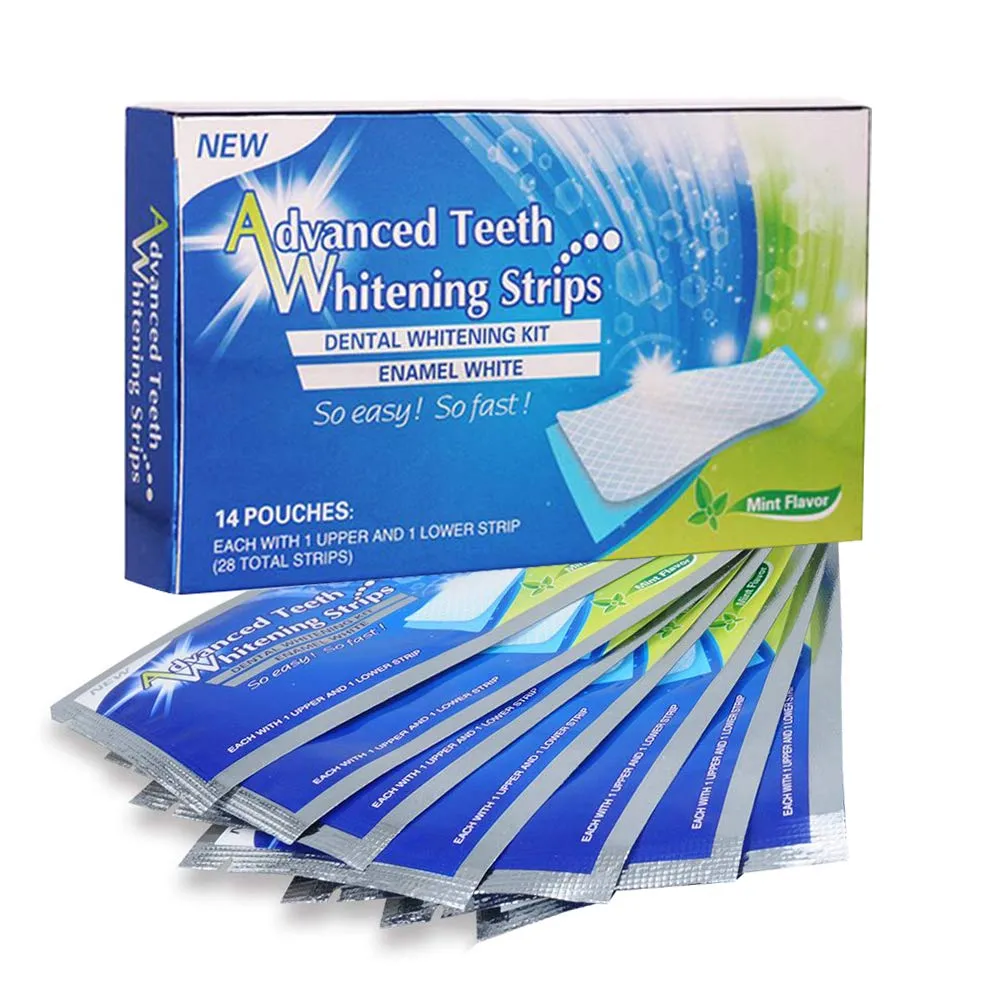
What are Listerine Whitening Strips?
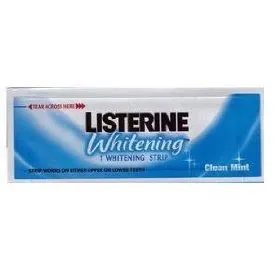
Listerine Whitening Strips are a popular over-the-counter teeth whitening product designed to brighten your smile conveniently and affordably. These thin, flexible strips are coated with a whitening agent and are applied directly to the teeth. They are designed to adhere to the surface of the teeth, allowing the whitening agent to come into contact with the enamel. The product is intended for use at home, making it a convenient alternative to professional teeth whitening treatments. Listerine Whitening Strips are available in various formulations, often containing different concentrations of the active whitening ingredient, hydrogen peroxide, to cater to different user needs and sensitivity levels. They are a cost-effective method for improving the appearance of your teeth and can be a great option for those looking to enhance their smile without a dentist visit. The effectiveness of these strips often depends on consistent use and adherence to the instructions provided.
The Science Behind Teeth Whitening
Teeth whitening is a chemical process that alters the internal and external structure of teeth, specifically targeting the discoloration caused by stains. These stains can be intrinsic (within the tooth structure) or extrinsic (on the tooth surface). The primary goal of teeth whitening is to remove or neutralize these stains, thereby restoring the natural whiteness of the teeth. The science behind this involves the use of oxidizing agents, the most common being hydrogen peroxide or carbamide peroxide. These agents penetrate the enamel and dentin, breaking down stain molecules into smaller, less visible components. The effectiveness of teeth whitening depends on various factors, including the concentration of the whitening agent, the duration of application, and the type of stain present. Whitening products work by a process of oxidation, a chemical reaction that breaks down the bonds of the stain molecules, causing them to become less concentrated and appearing less noticeable.
How Listerine Whitening Strips Work
Listerine Whitening Strips utilize the principles of chemical oxidation to whiten teeth. When applied, the active whitening agent, typically hydrogen peroxide, comes into contact with the tooth’s surface. This agent penetrates the enamel and reacts with the discolored molecules embedded within, breaking them down. This process effectively lightens the appearance of the stains, resulting in a brighter smile. The design of the strips ensures that the whitening agent remains in contact with the teeth for the duration of the treatment, enhancing its effectiveness. The strip’s flexibility allows it to mold closely to the teeth, ensuring even distribution of the whitening agent. The convenience of the strips is a major factor in their appeal, as they can be easily applied at home without professional assistance, making teeth whitening accessible and straightforward for the average consumer.
The Active Ingredient Hydrogen Peroxide
Hydrogen peroxide is the core active ingredient in Listerine Whitening Strips, playing a crucial role in the teeth whitening process. As an oxidizing agent, hydrogen peroxide works by releasing oxygen molecules that penetrate the enamel and dentin layers of the teeth. These oxygen molecules then react with the stain molecules, breaking them down into smaller, less visible particles. The concentration of hydrogen peroxide can vary among different products, with higher concentrations often leading to faster results but also potentially increasing the risk of sensitivity. It is essential to follow the product instructions carefully, considering the recommended duration of use and the potential for side effects such as temporary tooth sensitivity. The efficacy of hydrogen peroxide in teeth whitening is well-established, making it a reliable choice for improving the appearance of your teeth.
The Role of the Strip’s Design
The design of Listerine Whitening Strips is crucial to their effectiveness. The strips are made of a thin, flexible material that conforms to the shape of the teeth, ensuring maximum contact with the enamel surface. This close fit helps to deliver the whitening agent evenly across the teeth, maximizing the whitening effect. The design also incorporates a layer of the whitening gel, which is designed to adhere to the teeth, preventing it from being easily washed away by saliva. This ensures that the active ingredients remain in contact with the teeth for the prescribed period, allowing them to effectively break down the stains. The strips are designed for ease of use, making them easy to apply and remove. The design also focuses on ensuring that the whitening agent is delivered in a controlled manner, minimizing the risk of irritation and ensuring a comfortable experience.
The Step-by-Step Application Process
Preparing Your Teeth
Before applying Listerine Whitening Strips, it’s essential to prepare your teeth properly for optimal results. Start by brushing your teeth gently to remove any surface debris or food particles. Rinse your mouth with water to clear any remaining toothpaste. Avoid using toothpaste with abrasive ingredients immediately before applying the strips, as this could potentially increase sensitivity. Ensure your teeth are dry before applying the strips, as this will help them adhere better. For best results, apply the strips to clean, dry teeth, ensuring that the whitening agent can directly interact with the tooth surface. Following these preparatory steps can improve the effectiveness of the whitening process and reduce the likelihood of irritation.
Applying the Strips
Once your teeth are prepared, carefully apply the Listerine Whitening Strips according to the product instructions. Peel the strip from its backing, ensuring that you handle it by the edges to avoid touching the whitening gel. Align the strip with your gumline, pressing gently to ensure it adheres firmly to the teeth. Use a mirror to position the strip correctly, making sure it covers the visible surface of your teeth. Fold any excess strip material behind the teeth to secure it in place. Make sure the strips are applied to both the upper and lower teeth to achieve a consistent whitening effect. Ensure that the strips cover all the teeth you wish to whiten. Avoid touching the strips after application and refrain from eating, drinking, or smoking while the strips are in place.
Waiting and Removing
After applying the strips, allow them to remain on your teeth for the recommended duration, typically ranging from 30 minutes to an hour, as indicated on the product packaging. During this time, the whitening agent actively works to break down stains. Avoid any activities that might dislodge the strips or reduce their effectiveness, such as excessive talking or eating. Once the time is up, gently peel off the strips and discard them. Rinse your mouth with water to remove any remaining gel. Refrain from brushing your teeth immediately after removing the strips, as this could potentially increase sensitivity. Following the recommended waiting and removal instructions is crucial for achieving the desired results while minimizing potential side effects.
Factors Affecting Effectiveness
The Concentration of Hydrogen Peroxide
The concentration of hydrogen peroxide in Listerine Whitening Strips is a key determinant of their effectiveness. Higher concentrations of hydrogen peroxide typically lead to faster and more noticeable whitening results. However, it is important to note that a higher concentration also increases the potential for side effects such as tooth sensitivity and gum irritation. The concentration is often measured in percentage, and products vary in the amount of hydrogen peroxide they contain. When choosing a product, consider your individual sensitivity level and the desired speed of results. Always follow the product instructions and avoid exceeding the recommended usage to minimize potential risks. It is essential to strike a balance between achieving the desired whitening effect and maintaining comfort and oral health.
The Duration of Use
The duration of use, both per session and over the course of treatment, is critical for the effectiveness of Listerine Whitening Strips. The product instructions will specify how long the strips should remain on the teeth during each application. Adhering to this time frame is crucial to achieve optimal results without overexposing your teeth to the whitening agent. The total duration of the treatment, typically spanning several days or weeks, also influences the outcome. Consistent use, as directed by the product instructions, helps to build up the whitening effect over time. Avoid extending the application time or using the strips more frequently than recommended, as this can increase the risk of side effects without necessarily enhancing the whitening results. Patience and adherence to the recommended usage schedule are key to successfully achieving a brighter smile.
Individual Tooth Sensitivity
Individual tooth sensitivity significantly influences the effectiveness and comfort of using Listerine Whitening Strips. Some individuals naturally have more sensitive teeth, making them more susceptible to the effects of the whitening agent. If you have sensitive teeth, you may experience temporary discomfort or sensitivity during and after the application of the strips. To manage sensitivity, consider using a toothpaste designed for sensitive teeth before, during, and after your whitening treatment. You might also reduce the duration of each application or use the strips less frequently. It is crucial to monitor your teeth’s response and adjust your usage accordingly. If sensitivity becomes severe or persistent, it is advisable to consult a dentist. Your dentist can offer guidance and recommend alternative whitening options that are better suited to your individual needs and sensitivity levels.
Benefits of Using Listerine Whitening Strips
Improved Teeth Brightness

The primary and most significant benefit of using Listerine Whitening Strips is the improvement in teeth brightness. These strips are designed to effectively lighten the appearance of stains, resulting in a noticeably brighter smile. Consistent use, as directed by the product instructions, can lead to significant improvements in the whiteness of your teeth. The whitening effect typically becomes more evident with each application, enhancing the overall aesthetics of your smile. The ability to achieve a brighter smile can boost self-confidence and positively impact your social interactions. The effectiveness of the strips is often visible within a few days or weeks of consistent use. Maintaining the results may require occasional touch-ups, but the initial improvement in brightness is often substantial and highly appreciated.
Convenience and Ease of Use
Convenience and ease of use are significant advantages of Listerine Whitening Strips. The strips are designed to be user-friendly, allowing you to whiten your teeth at home without the need for professional dental appointments. The application process is straightforward and requires minimal effort, making it easy to incorporate into your daily routine. The strips are portable, allowing you to whiten your teeth anywhere and anytime. This ease of use contrasts sharply with more complex or time-consuming whitening methods, making the strips a popular choice for those seeking a hassle-free approach. The convenience factor makes it easier to maintain a consistent whitening schedule, contributing to better and more consistent results. With simple application and removal steps, Listerine Whitening Strips make teeth whitening accessible and manageable for anyone.
Affordability
Affordability is another key benefit of Listerine Whitening Strips, making them an accessible option for many people. Compared to professional teeth whitening treatments or some other over-the-counter methods, whitening strips are often considerably more budget-friendly. The cost of the strips is relatively low, providing an effective way to enhance your smile without a significant financial investment. This affordability makes teeth whitening attainable for a wider range of individuals, allowing them to improve their appearance without overspending. The cost-effectiveness of these strips makes it an appealing option for those seeking an affordable way to boost their self-esteem and improve their smile. The product offers a high return on investment in terms of appearance.
Potential Side Effects and Considerations

Tooth Sensitivity
Tooth sensitivity is a common potential side effect of using Listerine Whitening Strips. The active ingredient, hydrogen peroxide, can penetrate the enamel and reach the dentin, potentially irritating the nerves within the teeth. This can lead to temporary sensitivity to hot or cold temperatures or pressure. The severity of the sensitivity varies depending on the individual’s tooth sensitivity levels, the concentration of hydrogen peroxide in the strips, and the duration of use. To mitigate sensitivity, consider using a toothpaste designed for sensitive teeth before, during, and after treatment. Adjust the frequency or duration of use. If the sensitivity becomes excessive, consult your dentist. Remember that this is a common and usually temporary side effect, but it is essential to manage it to ensure comfort and oral health.
Gum Irritation
Gum irritation is another potential side effect associated with the use of Listerine Whitening Strips. If the whitening agent comes into direct contact with the gums, it can cause irritation, resulting in redness, swelling, or discomfort. This typically occurs if the strips are not applied correctly or if they extend beyond the gumline. To minimize the risk of gum irritation, carefully follow the product instructions and ensure that the strips are properly placed on the teeth only. Avoid excessive application or overuse of the product. If irritation occurs, rinse your mouth thoroughly with water and avoid using the strips for a few days to allow your gums to heal. If the irritation persists or worsens, consult your dentist for advice and possible treatment options. Proper application and mindful usage are crucial to prevent and manage gum irritation.
Alternatives to Listerine Whitening Strips

Professional Teeth Whitening
Professional teeth whitening is a highly effective alternative to Listerine Whitening Strips, offering several advantages. Conducted by a dentist, professional whitening typically uses stronger concentrations of hydrogen peroxide, leading to faster and more dramatic results. The process involves protecting the gums and soft tissues while the whitening agent is applied to the teeth. The dentist can also monitor the process, ensuring patient safety and minimizing the risk of side effects. While more expensive than over-the-counter options, professional whitening provides a personalized and controlled experience. Dentists can also address underlying dental issues that might affect the whitening results. For those seeking the most significant improvement in teeth brightness, professional teeth whitening offers a reliable and effective solution, although it requires time and financial investment.
Other Over-the-Counter Options
Besides Listerine Whitening Strips, various other over-the-counter options are available for teeth whitening. Whitening toothpastes contain mild abrasives or whitening agents like hydrogen peroxide to remove surface stains. Whitening gels are another option, applied using custom trays or brushes. Whitening pens offer convenience for touch-ups. These products vary in their effectiveness, with some offering more noticeable results than others. It is important to carefully read product labels and follow instructions. Consider the active ingredients, the potential for side effects, and your own sensitivity levels when choosing an over-the-counter whitening product. Consult a dentist for advice on which product is best suited to your needs and oral health situation.