
What is Laser Teeth Whitening
Laser teeth whitening, also known as in-office teeth whitening, is a cosmetic dental procedure designed to brighten your smile significantly in a short amount of time. Unlike over-the-counter whitening products, this treatment is performed by a dental professional, ensuring both safety and effectiveness. It involves the application of a strong bleaching agent, typically hydrogen peroxide, to the surface of your teeth. This is then activated by a laser or specialized light source, accelerating the whitening process and delivering dramatic results. The procedure targets both intrinsic and extrinsic stains, providing a comprehensive solution for a more radiant and confident smile. Many individuals opt for laser teeth whitening because it offers a quick and noticeable improvement in the shade of their teeth, making it a popular choice for special occasions or a general aesthetic upgrade.
How Laser Teeth Whitening Works
The process of laser teeth whitening is a sophisticated blend of science and dental expertise. The procedure begins with a thorough cleaning of the teeth to remove any surface debris, allowing the bleaching agent to work optimally. The dentist then applies a protective barrier to the gums and soft tissues to prevent irritation from the strong bleaching solution. Next, the whitening gel, which contains a high concentration of hydrogen peroxide, is applied to the teeth. The laser or specialized light source is then directed at the teeth, activating the hydrogen peroxide and breaking down the stain molecules. This process is repeated several times during the session to achieve the desired level of whitening. Following the procedure, the dentist removes the gel and may apply a fluoride treatment to help reduce any sensitivity. The entire process is carefully monitored by the dental professional to ensure both safety and effectiveness.
The Science Behind the Treatment
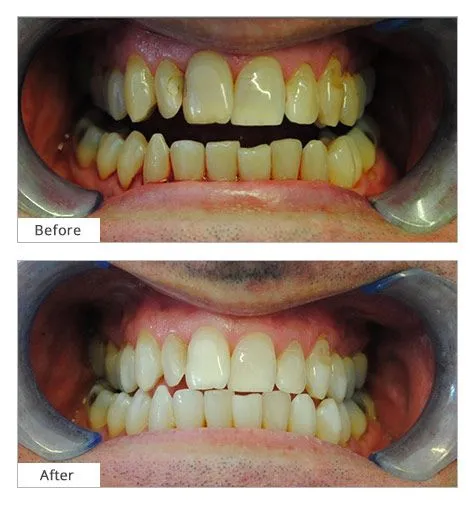
At the core of laser teeth whitening is the chemical reaction of hydrogen peroxide. When the bleaching agent comes into contact with the stained enamel, it breaks down into smaller oxygen molecules. These oxygen molecules penetrate the enamel and dentin, the layers beneath the enamel, reacting with the stain molecules and breaking them apart. The laser or light source used in the procedure acts as a catalyst, speeding up this chemical reaction. The light energy increases the temperature of the bleaching agent, making it more effective at removing stains. This process doesn’t damage the tooth structure; it simply targets the discoloration caused by various factors like food, drinks, and aging. The effectiveness of the procedure depends on the concentration of the bleaching agent, the duration of the treatment, and the specific light source used, all of which are carefully controlled by the dentist.
Key Ingredients Used
The primary ingredient in laser teeth whitening is hydrogen peroxide. The concentration of hydrogen peroxide used in professional treatments is significantly higher than in over-the-counter products, ensuring more dramatic results. In addition to hydrogen peroxide, the whitening gel may contain other ingredients like stabilizers and desensitizing agents. Stabilizers help maintain the effectiveness of the hydrogen peroxide, while desensitizing agents, such as potassium nitrate, help reduce tooth sensitivity that may occur during the whitening process. The specific formulation of the gel can vary depending on the brand and the dentist’s preference, but the goal remains the same to safely and effectively remove stains and brighten the teeth. The high concentration of hydrogen peroxide used in the dental office necessitates professional application to ensure patient safety and the best possible outcome.
Top 7 Benefits of Laser Teeth Whitening
Improved Confidence

One of the most significant benefits of laser teeth whitening is the boost in self-esteem and confidence. A brighter, whiter smile can dramatically enhance your appearance, making you feel more attractive and self-assured. People who undergo teeth whitening often report feeling more comfortable in social situations and more willing to smile openly. This newfound confidence can extend to various aspects of life, including personal relationships, professional interactions, and overall well-being. The positive psychological effects of a beautiful smile are undeniable, contributing to a more positive self-image and a greater sense of self-worth. Smiling is a natural human behavior, and having a smile you’re proud of can have a profound impact on your daily life and interactions with others.
Quick and Effective Results
Laser teeth whitening is renowned for its speed and effectiveness. Unlike at-home whitening treatments that may take weeks to show noticeable results, in-office whitening can deliver dramatic improvements in a single session. The entire procedure typically takes about an hour, making it a convenient option for those with busy schedules. The immediate nature of the results is particularly appealing for individuals preparing for important events like weddings, job interviews, or special occasions. The rapid transformation can be incredibly satisfying, providing a significant boost in self-confidence in a short period. The ability to achieve such remarkable results quickly is one of the key reasons why laser teeth whitening is so popular among those seeking to brighten their smiles.
Minimally Invasive Procedure
Laser teeth whitening is a minimally invasive cosmetic procedure. It doesn’t involve any drilling, injections, or other invasive techniques. The process primarily involves the application of a bleaching agent and the use of a laser or light source. The dentist carefully protects the gums and soft tissues, minimizing any risk of discomfort or side effects. This makes it a comfortable experience for most patients, with minimal downtime. The non-invasive nature of the procedure is a significant advantage for individuals who may be hesitant about more extensive dental work. The focus is solely on the cosmetic enhancement of the teeth, using gentle yet effective methods to achieve a brighter, more appealing smile. The procedure prioritizes patient comfort and safety, ensuring a positive experience from start to finish.
Long-Lasting Effects

While the longevity of laser teeth whitening results can vary depending on individual habits and lifestyle factors, the effects often last for an extended period. With proper care, including good oral hygiene practices and regular dental check-ups, the whitening can last for several months or even years. Avoiding or minimizing consumption of staining foods and drinks, such as coffee, tea, and red wine, can help maintain the results. Regular touch-up treatments may be recommended to prolong the whitening effect. The long-lasting nature of the results makes laser teeth whitening a cost-effective investment in your appearance, providing a consistently brighter smile for an extended period. Maintaining good oral hygiene is key to extending the life of your whitening treatment and preserving your beautiful, bright smile.
Safe and Professional
Laser teeth whitening is a safe procedure when performed by a qualified and experienced dental professional. Dentists are trained to assess your oral health and determine if you are a suitable candidate for the treatment. They use professional-grade products and equipment, ensuring the highest standards of safety and effectiveness. The dentist will take precautions to protect your gums and soft tissues, minimizing any potential risks. Unlike over-the-counter products, in-office whitening is supervised by a dental expert, providing personalized care and monitoring throughout the process. The professional environment and expertise ensure that the treatment is carried out safely and effectively, with the best possible outcomes for your smile. You can have peace of mind knowing that your oral health is in the hands of a skilled professional.
Enhanced Appearance
The most obvious benefit of laser teeth whitening is the dramatic improvement in your smile’s appearance. Stains and discoloration are effectively removed, revealing a brighter, more radiant smile. This can significantly boost your overall look, making you appear younger, healthier, and more attractive. A brighter smile can also create a more positive first impression, enhancing your social and professional interactions. The enhancement in your appearance can lead to increased self-esteem and confidence. The aesthetic improvement is immediate and noticeable, making you feel better about yourself and your smile. The visual impact is undeniable, contributing to a more confident and appealing presence.
Stain Removal

Laser teeth whitening effectively removes a wide range of stains caused by various factors. These include stains from food and drinks, such as coffee, tea, red wine, and berries. It also addresses discoloration caused by tobacco use and aging. The bleaching agent penetrates the enamel and dentin, breaking down the stain molecules and restoring the natural brightness of your teeth. This process effectively addresses both intrinsic and extrinsic stains, leaving you with a clean, refreshed smile. The procedure can reverse the effects of years of staining, giving you a revitalized and more youthful appearance. The ability to eliminate these stains is a key benefit, contributing to a healthier-looking and more attractive smile.
Who is a Good Candidate for Laser Teeth Whitening
Ideal Candidates
Ideal candidates for laser teeth whitening are individuals with healthy teeth and gums who are looking to improve the appearance of their smile. Those with extrinsic stains, caused by food, drinks, and tobacco use, often see the most dramatic results. Patients with intrinsic stains, caused by aging or certain medications, can also benefit, although the results may vary. Good oral hygiene habits are crucial, as the treatment works best on clean teeth. Individuals should be free from active gum disease or significant dental problems. A consultation with a dentist is essential to determine if you’re a good candidate and to discuss your expectations and potential outcomes. The dentist can assess your specific needs and create a customized treatment plan to achieve the best possible results.
Who Should Avoid Laser Teeth Whitening

Certain individuals should avoid or delay laser teeth whitening. This includes those with significant dental problems, such as cavities, gum disease, or cracked teeth. The treatment may not be suitable for people with overly sensitive teeth, as it can exacerbate the sensitivity. Pregnant or breastfeeding women are generally advised to postpone the procedure. Individuals with crowns, veneers, or dental fillings on their front teeth should be aware that the whitening treatment will not affect these restorations, potentially leading to an uneven appearance. A dentist will conduct a thorough examination to assess your oral health and determine if laser teeth whitening is right for you, considering any potential risks or contraindications. It’s important to discuss your medical history and any concerns with your dentist before proceeding with the treatment.
What to Expect During a Laser Teeth Whitening Procedure
Consultation and Examination
Before undergoing laser teeth whitening, you’ll have a consultation with your dentist. The dentist will examine your teeth and gums to assess your oral health and determine if you’re a suitable candidate. They will discuss your goals and expectations, explaining the procedure and potential outcomes. This consultation also includes a discussion about any existing dental work, such as fillings or crowns, and how they might be affected by the whitening process. Your dentist will take photographs of your teeth before the procedure to track the progress. This initial step is crucial for ensuring that the treatment is appropriate and that you fully understand the procedure. The dentist can also address any questions or concerns you might have, making you feel more comfortable and informed.
The Whitening Process

During the laser teeth whitening procedure, your dentist will start by cleaning your teeth to remove any surface debris. A protective barrier is then applied to your gums and soft tissues to prevent irritation from the bleaching agent. The whitening gel, containing a high concentration of hydrogen peroxide, is applied to your teeth. The dentist then uses a laser or specialized light source to activate the gel, accelerating the whitening process. This step is typically repeated several times during the session to achieve the desired level of brightness. The entire procedure usually takes about an hour, making it a quick and convenient option. Throughout the process, the dentist monitors your teeth and gums to ensure your comfort and safety. The results are often immediately visible, giving you a brighter and more confident smile.
Post-Treatment Care
After your laser teeth whitening treatment, your dentist will provide you with specific aftercare instructions. It’s essential to follow these guidelines to maintain your results and prevent any complications. You may experience some tooth sensitivity for a few days after the procedure, which can be managed with over-the-counter pain relievers or desensitizing toothpaste. You’ll also be advised to avoid staining foods and drinks, such as coffee, tea, red wine, and dark-colored berries, for at least 24 to 48 hours. Maintaining good oral hygiene habits, including brushing and flossing regularly, is crucial for long-lasting results. Your dentist may recommend a follow-up appointment to check your progress and provide further guidance. Following these post-treatment care tips ensures the best possible outcome and helps you enjoy your brighter, whiter smile for a longer period.
Cost and Availability of Laser Teeth Whitening
Cost Factors
The cost of laser teeth whitening can vary depending on several factors. These include the geographic location of the dental practice, the experience of the dentist, and the specific whitening system used. The extent of the discoloration and the number of treatments required can also influence the price. In general, laser teeth whitening is more expensive than at-home whitening kits, but the results are often more dramatic and immediate. It’s important to discuss the cost with your dentist during your consultation, and inquire about payment options or financing plans. While the initial investment may be higher, the long-term benefits, including improved confidence and a brighter smile, often make it a worthwhile investment. Comparing prices and services from different dental practices can help you find the best value for your needs.
Finding a Qualified Dentist
Finding a qualified dentist for laser teeth whitening is crucial for ensuring both safety and optimal results. Start by researching dentists in your area and checking their credentials and experience. Look for dentists who specialize in cosmetic dentistry and have a proven track record of successful teeth whitening procedures. Read online reviews and testimonials to get a sense of other patients’ experiences. Schedule consultations with a few different dentists to discuss your goals and ask questions about their approach. During the consultation, pay attention to their communication style and how they address your concerns. A reputable dentist will be transparent about the procedure, potential risks, and expected outcomes. Choosing a qualified dentist ensures that the treatment is performed safely, effectively, and to your satisfaction. Don’t hesitate to ask for before-and-after photos of previous patients to get an idea of their results.