Understanding 1 Hour Intense Whitening Kits
Achieving a brighter, more confident smile is now easier than ever, thanks to the availability of at-home teeth whitening kits. Among these, the 1-hour intense whitening kits, like the Up & Up variant, offer a convenient and fast solution for those seeking quick results. These kits are designed to deliver noticeable whitening effects in a relatively short amount of time, making them a popular choice for people with busy schedules or those looking for a rapid cosmetic improvement. However, it’s important to understand how these kits work, the science behind them, and how to use them safely to maximize their benefits and minimize potential risks.
How Whitening Kits Work
Teeth whitening kits generally use bleaching agents, most commonly hydrogen peroxide or carbamide peroxide, to lighten the color of your teeth. These agents penetrate the enamel and dentin, breaking down the stains and discolorations that have accumulated over time. The process essentially oxidizes the stain molecules, rendering them colorless and making the teeth appear whiter. The concentration of the bleaching agent and the duration of its contact with the teeth are key factors in determining the effectiveness of the whitening process. Kits that promise faster results often contain a higher concentration of the active ingredient.
The Science Behind Teeth Whitening

The effectiveness of teeth whitening is rooted in the chemical reactions that occur when the bleaching agent interacts with the stained molecules within the tooth structure. Hydrogen peroxide, the primary bleaching agent, releases oxygen molecules that break the bonds of the stain molecules, thereby lightening the color. The enamel of your teeth is porous, and these oxygen molecules can penetrate through to the dentin, which is the layer beneath the enamel that contains the bulk of the tooth’s color. The speed and degree of whitening depend on factors like the concentration of the bleaching agent, the duration of the treatment, and the type and severity of the stains. Different types of stains respond differently to whitening treatments, with extrinsic stains (on the surface) generally being easier to remove than intrinsic stains (within the tooth structure).
Choosing the Right Whitening Kit
Selecting the appropriate teeth whitening kit is crucial for both achieving desired results and ensuring your oral health. Consider factors such as the concentration of the whitening agent, the application method (strips, trays, pens), and the time commitment required. It is wise to select products from reputable brands that adhere to safety standards and provide clear instructions for use. If you have sensitive teeth or gums, opt for kits with lower concentrations of peroxide or those specifically designed for sensitive teeth. Reading reviews and consulting with a dentist can provide insights into the effectiveness and suitability of various whitening kits for your specific needs.
Up & Up 1 Hour Intense Whitening Kit Overview
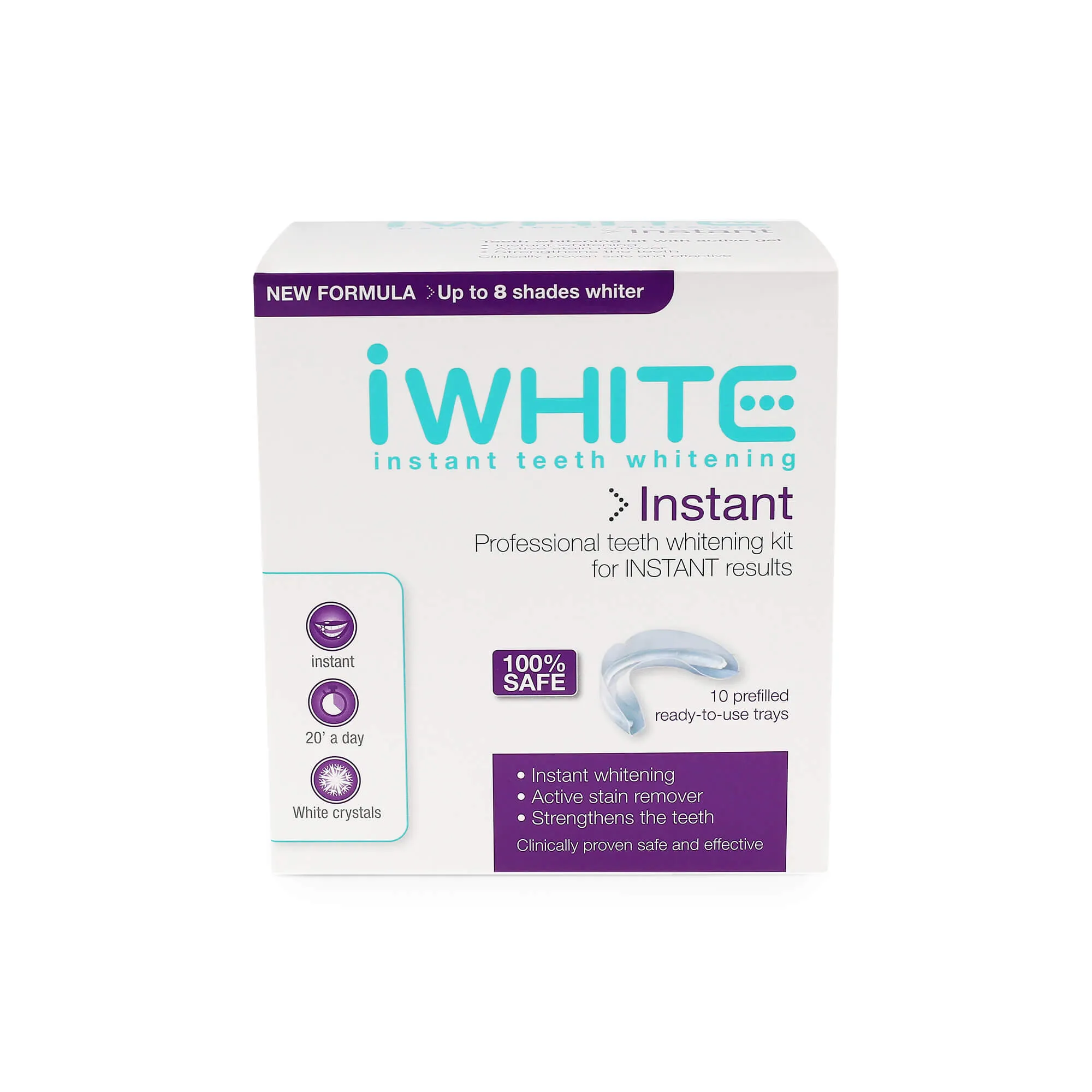
The Up & Up 1-hour intense whitening kit is designed for rapid teeth whitening. It usually contains pre-filled trays with a whitening gel, which is applied to the teeth for a set duration, often around an hour. The kit typically includes detailed instructions, and some kits might feature a desensitizing treatment to minimize potential sensitivity. The advantage of the Up & Up kit is its ease of use, offering a quicker whitening solution compared to kits that require multiple applications over several days or weeks. Always carefully review the manufacturer’s guidelines and follow the recommended usage to achieve optimal results while minimizing any potential risks.
Ingredients and Their Effects

The primary active ingredient in the Up & Up 1-hour intense whitening kit is hydrogen peroxide or carbamide peroxide. The concentration can vary, and the kit usually includes other ingredients that help deliver the bleaching agent, such as thickeners, flavorings, and stabilizers. Hydrogen peroxide is the active bleaching agent that breaks down stains, while carbamide peroxide breaks down into hydrogen peroxide and urea. Urea serves as a moisturizing agent, helping to prevent dehydration of the teeth. Ensure you check the ingredients list if you have allergies or sensitivities, and it is always a good idea to consult your dentist about the suitability of these ingredients for your teeth.
Application Instructions
Proper application is crucial for effective and safe teeth whitening. Start by brushing your teeth thoroughly and rinsing your mouth to remove any surface debris. Follow the specific instructions provided with the Up & Up kit. Typically, you’ll apply the whitening gel to the pre-filled trays and then fit them over your teeth, ensuring the gel covers all tooth surfaces. The kit will specify the duration for which the trays should remain in place, usually around an hour. Avoid overfilling the trays to prevent excess gel from coming into contact with your gums, which could cause irritation. After the specified time, remove the trays, rinse your mouth, and clean the trays for future use, if applicable.
Step-by-Step Guide to Using the Kit
To use the Up & Up 1-hour intense whitening kit effectively, follow these steps: Brush your teeth thoroughly and rinse your mouth. Carefully insert the pre-filled trays over your upper and lower teeth, ensuring that the gel makes contact with all tooth surfaces. Wear the trays for the amount of time recommended by the kit, usually about an hour. Remove the trays and rinse your mouth thoroughly with water to remove any remaining gel. Brush your teeth again to ensure any residual gel is removed. Follow the kit’s recommendations for post-treatment care. Repeat the treatment as directed to achieve your desired level of whitening.
Tips for Optimal Results

To enhance the whitening results and ensure your safety, consider the following tips. Follow the kit’s instructions meticulously. Avoid consuming staining foods and drinks, such as coffee, tea, red wine, and berries, during the whitening process. Maintaining good oral hygiene by brushing, flossing, and rinsing with mouthwash, will help maintain the whiteness. Consistent use of the kit, as directed, is vital to see desired results. Be patient, as everyone’s teeth react differently to whitening treatments. Avoid smoking, as tobacco use can stain your teeth and diminish the effects of the whitening kit.
Pre-Treatment Preparation
Before starting your whitening treatment, prepare your teeth. Brush and floss thoroughly to remove plaque and food particles. Ensure your teeth are clean to allow the whitening agent to directly contact the enamel. Avoid using abrasive toothpaste, which can increase tooth sensitivity. If you have any existing dental work, like fillings or crowns, consult your dentist, as the whitening kit may not affect these materials. Ensure your gums are healthy, as whitening can irritate sensitive tissues. If you have any known allergies, carefully review the ingredients list to ensure compatibility.
Post-Treatment Care
After using the whitening kit, rinse your mouth thoroughly. Avoid eating or drinking highly pigmented foods and beverages for at least the first few hours. This helps prevent staining. Brush your teeth gently with a fluoride toothpaste, but wait at least 30 minutes after treatment. If you experience any sensitivity, use a toothpaste designed for sensitive teeth. Avoid smoking and other tobacco products, as they can diminish the results of whitening. Follow the instructions on your kit for how often you can repeat the treatment, and do not over-whiten, as this can cause damage to your teeth.
Potential Side Effects and How to Manage Them

While teeth whitening kits offer convenience, it’s essential to be aware of potential side effects. The most common side effects are tooth sensitivity and gum irritation. These are typically temporary and subside within a few days after stopping the treatment. However, if symptoms persist or worsen, consult your dentist immediately. Understanding the potential side effects will help you to use the product more safely and effectively, and will help you to know when to seek professional help.
Sensitivity and Discomfort
Tooth sensitivity is a common side effect of teeth whitening treatments. The whitening agent can penetrate the enamel, causing the dentin to become more sensitive to temperature and pressure. Gum irritation can also occur if the whitening gel comes into contact with your gums. You may experience mild discomfort during the treatment. Be prepared for this and manage it appropriately. If the sensitivity is unbearable, stop using the kit and speak to your dentist.
Managing Sensitivity
If you experience tooth sensitivity, several strategies can help. Use a toothpaste designed for sensitive teeth, containing ingredients like potassium nitrate. Avoid overly hot or cold foods and drinks. Use the whitening kit less frequently or for shorter durations, as directed. You can consult your dentist about applying fluoride treatments or other desensitizing agents to alleviate the symptoms. Ensure you follow the product’s instructions carefully and do not overuse the whitening kit.
Alternatives to Whitening Kits

While at-home whitening kits offer convenience, alternative options exist. Professional teeth whitening performed by a dentist can yield more dramatic results and is often safer, as it’s performed under expert supervision. Other alternatives include over-the-counter whitening products, such as whitening toothpaste and mouthwashes. Selecting the best alternative will depend on your needs, goals, and preferences. It’s always important to consult with your dentist about which options are suitable for you.
Professional Teeth Whitening
Professional teeth whitening provides more significant results compared to at-home kits. Dentists use higher concentrations of bleaching agents and can apply them in a controlled environment. This offers more efficient whitening and may reduce sensitivity. The procedure usually involves isolating the gums and applying the whitening agent directly to the teeth. A special light or laser may be used to accelerate the process. Professional whitening is a safe and effective option, especially for severe staining or discoloration. Always seek the services of a qualified dental professional for such treatments.
Over-the-Counter Whitening Options
Over-the-counter whitening options include whitening toothpaste, mouthwashes, and strips. These products are generally less potent than professional treatments, but can help maintain whiteness or provide minor improvements. Whitening toothpaste contains mild abrasives that remove surface stains. Whitening mouthwashes can help in removing stains, and strips apply a thin layer of whitening agent to the teeth. Remember that these options may not provide dramatic results, and it’s important to use them as directed to avoid potential side effects. Always check for the ADA seal of approval to ensure product safety.
Maintaining Your White Smile

Maintaining a bright and healthy smile requires consistent oral hygiene practices and lifestyle choices. Regular brushing, flossing, and dental check-ups are crucial. Dietary considerations also play a significant role in preventing stains and maintaining whiteness. Remember that the longevity of your results depends on the care you take. Following these steps will keep your smile bright for longer. Consistent care helps preserve your investment in teeth whitening.
Oral Hygiene Practices
Effective oral hygiene is essential for maintaining a white smile. Brush your teeth twice daily with fluoride toothpaste, using gentle circular motions. Floss daily to remove plaque and food particles from between your teeth, where a toothbrush can’t reach. Use an antibacterial mouthwash to help kill bacteria and freshen breath. Schedule regular dental check-ups and professional cleanings to remove plaque and tartar buildup, which can cause staining. A good oral hygiene routine is the foundation of a healthy, bright smile.
Dietary Considerations
What you eat and drink significantly impacts the color of your teeth. Avoid or limit foods and beverages known to stain teeth, such as coffee, tea, red wine, berries, and dark sauces. Drink plenty of water throughout the day to help rinse away food particles and prevent stains. Consider using a straw to minimize the contact of staining beverages with your teeth. Eat crunchy fruits and vegetables, such as apples and carrots, as they can help scrub away surface stains. By making mindful dietary choices, you can maintain a bright smile.