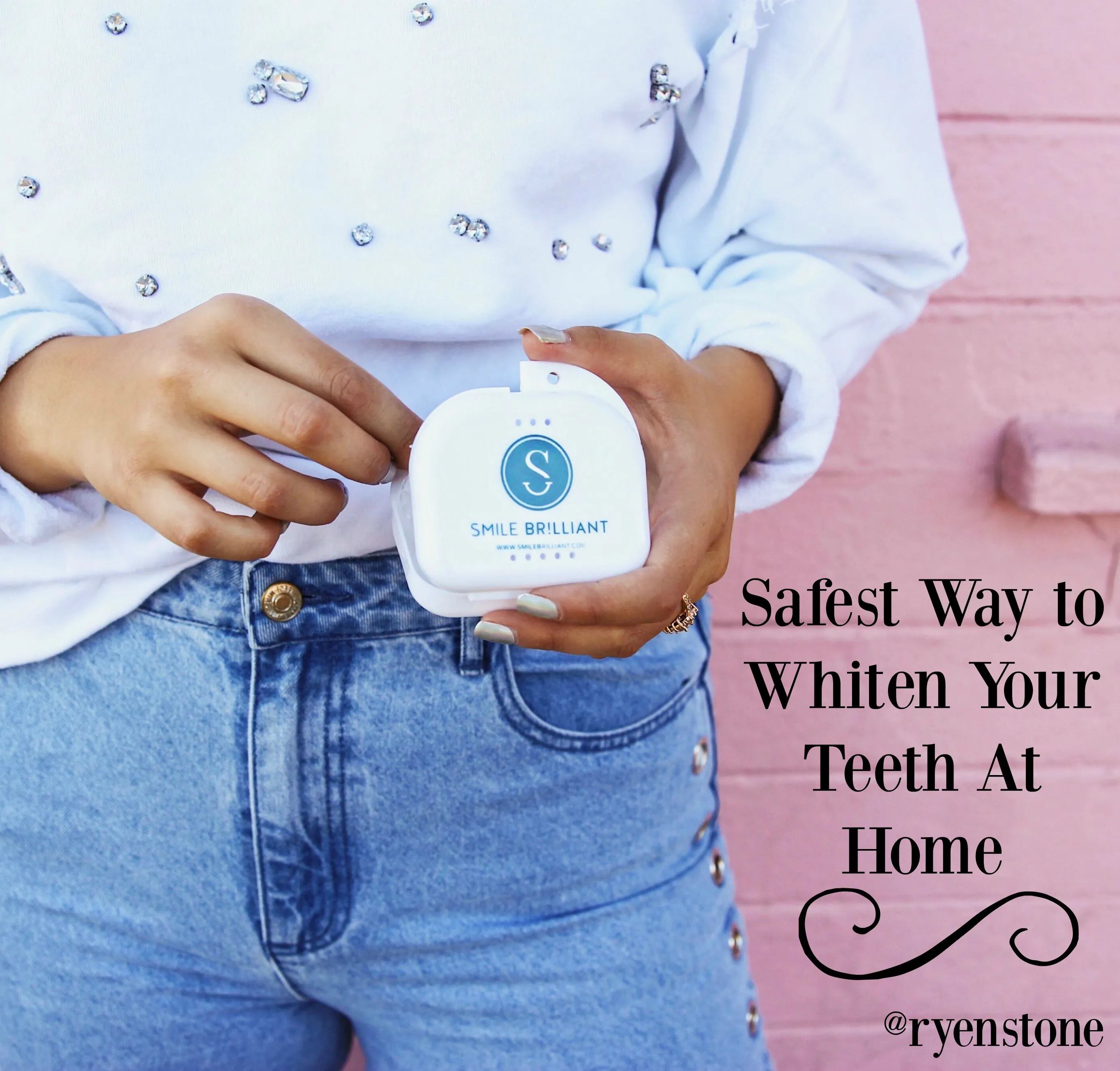
Understanding Home Teeth Whitening
Achieving a brighter smile is a common goal, and home teeth whitening tricks offer accessible and often affordable solutions. Before diving into these methods, it’s essential to understand how they work and what to expect. Home teeth whitening typically involves removing stains and discoloration from the enamel of your teeth. Stains can be caused by various factors, including coffee, tea, wine, tobacco use, and certain foods. The effectiveness of home treatments varies depending on the type of stain, the product used, and individual factors such as the natural shade of your teeth. It is important to set realistic expectations. While home methods can improve the appearance of your teeth, they may not achieve the same dramatic results as professional whitening treatments.
Types of Home Teeth Whitening Options
Several options are available for home teeth whitening, each with its pros and cons. These range from readily available over-the-counter products to DIY methods using common household items. Understanding the different types can help you choose the best approach for your needs and preferences. The most popular categories include whitening toothpastes and rinses, whitening strips and trays, and various DIY techniques. It’s crucial to consider factors such as cost, ease of use, potential side effects, and the level of whitening you desire. Always read and follow the product instructions carefully. If you have sensitive teeth or gums, consult your dentist before starting any whitening treatment to avoid potential issues.
Over-the-Counter Whitening Products

Over-the-counter whitening products offer a convenient and accessible way to brighten your smile. These products, readily available at drugstores and supermarkets, include whitening toothpastes, rinses, and strips. Whitening toothpastes typically contain mild abrasives and/or chemicals to help remove surface stains. Whitening rinses often contain hydrogen peroxide or other bleaching agents. Strips, a popular option, are thin, flexible strips coated with a peroxide-based whitening gel. These products offer varying degrees of effectiveness, with strips generally providing more noticeable results than toothpastes and rinses. However, the effectiveness can vary based on the concentration of the whitening agent and the duration of use. It’s important to follow the product instructions carefully. Consider the potential for tooth sensitivity or gum irritation, and consult your dentist if you have any concerns.
Whitening Toothpastes and Rinses
Whitening toothpastes and rinses are often the first step many people take in their quest for a brighter smile. These products are designed to remove surface stains and prevent new ones from forming. Whitening toothpastes typically contain mild abrasives, such as silica, that gently polish the teeth, removing stains. They may also contain chemical agents like hydrogen peroxide or other bleaching ingredients. While whitening toothpastes can help improve the appearance of your teeth, they generally provide only minor whitening effects compared to other methods. Whitening rinses, often containing hydrogen peroxide, work similarly by helping to remove surface stains. Consistent use of these products can contribute to a fresher, brighter smile over time. It is important to note that these products are not a substitute for professional dental care or more potent whitening treatments.
Whitening Strips and Trays
Whitening strips and trays offer a more concentrated approach to home teeth whitening. Whitening strips are thin, flexible strips coated with a peroxide-based whitening gel. You apply these strips directly to your teeth, following the instructions on the product. The peroxide penetrates the enamel to break down stain molecules. Whitening trays, often custom-fitted by your dentist or available as pre-filled or moldable trays, work similarly. They hold a whitening gel against your teeth for a specified amount of time. Whitening strips and trays generally provide more noticeable results than toothpastes and rinses because of the higher concentration of the whitening agent and the prolonged contact time. They are typically used for a few weeks and can significantly improve the appearance of your teeth. Be aware of potential side effects, such as tooth sensitivity or gum irritation, and consult your dentist if you have any concerns.
DIY Home Teeth Whitening Methods

DIY home teeth whitening methods utilize common household items to help brighten your smile. While these methods can be appealing due to their cost-effectiveness, it’s essential to approach them cautiously. The effectiveness of these methods can vary, and some may pose risks if not used properly. Popular DIY approaches include using baking soda and hydrogen peroxide, coconut oil pulling, and certain fruits with whitening properties. It’s crucial to research and understand the potential risks and benefits before trying any DIY method. If you have any underlying dental conditions or concerns, consult your dentist before starting a DIY whitening treatment.
Baking Soda and Hydrogen Peroxide
Baking soda and hydrogen peroxide are frequently used in DIY teeth whitening. Baking soda acts as a mild abrasive, helping to remove surface stains, while hydrogen peroxide has bleaching properties. To use this method, you can create a paste by mixing baking soda with hydrogen peroxide and brushing your teeth with the mixture for a short period. Some people also use a baking soda and water mixture. The effectiveness of this method can vary, and it may not be suitable for everyone. Overuse or improper application can potentially lead to tooth sensitivity or damage to the enamel. It is important to use this method sparingly and to consult with your dentist. If you experience any discomfort or adverse effects, discontinue use immediately and seek professional dental advice.
Coconut Oil Pulling for Whitening
Coconut oil pulling is an ancient Ayurvedic practice that involves swishing coconut oil in your mouth for an extended period to remove bacteria and toxins. Some proponents claim that coconut oil pulling can also help whiten teeth. The process involves taking a tablespoon of coconut oil and swishing it around in your mouth for 15-20 minutes. It is thought that the oil helps to pull out bacteria and plaque that can contribute to stains. While there is anecdotal evidence supporting the whitening benefits of coconut oil pulling, there is limited scientific research to support these claims. It is considered a gentle method and may not produce dramatic whitening results. It is essential to remember that oil pulling is not a substitute for brushing, flossing, or regular dental checkups.
Fruits That Can Help Whiten Teeth

Certain fruits contain enzymes and acids that may contribute to teeth whitening. Strawberries, for example, contain malic acid, which can act as a natural astringent and help remove surface stains. Pineapple contains bromelain, an enzyme that can help break down proteins and may aid in removing stains. However, the whitening effects of these fruits are typically mild, and relying solely on them may not yield significant results. Using these fruits as part of a balanced diet, combined with regular brushing and dental care, can help maintain a healthy and brighter smile. It is important to note that excessive consumption of acidic fruits could potentially erode enamel over time. It is always wise to rinse your mouth with water after consuming acidic fruits to minimize this risk.
Important Tips for Effective Whitening
To achieve the best results from home teeth whitening, there are several important tips to keep in mind. First, it’s crucial to choose the right product for your needs, considering factors such as your budget, sensitivity, and desired level of whitening. Always read and follow the product instructions carefully to ensure safe and effective use. Be patient; it can take time to see noticeable results, depending on the method you choose and the severity of your stains. Maintain good oral hygiene practices, including regular brushing, flossing, and dental checkups. Avoid or limit consumption of stain-causing foods and drinks, such as coffee, tea, and red wine. If you have existing dental work, such as fillings or crowns, be aware that whitening treatments may not affect them. Consulting with your dentist can help you select the most appropriate and effective whitening method, as well as address any specific concerns or dental conditions.
Dietary Considerations and Habits
Your diet and habits play a significant role in maintaining a white and healthy smile. Certain foods and drinks are known to stain teeth, and minimizing their consumption can help prevent discoloration. Coffee, tea, red wine, and dark-colored sodas are major culprits. Tobacco use is another significant factor, as it can cause severe staining. Certain foods, like berries and sauces, can also contribute to staining. To protect your teeth, consider limiting your intake of these items or rinsing your mouth with water immediately after consuming them. A diet rich in fruits, vegetables, and calcium-rich foods can help promote oral health and contribute to a brighter smile. Maintaining good oral hygiene practices, such as brushing and flossing, is also essential for preventing stains and maintaining a white smile.
Maintaining Your White Smile

Once you achieve a brighter smile through home teeth whitening or professional treatments, it’s important to take steps to maintain your results. Regular brushing and flossing are fundamental. Use a whitening toothpaste and consider incorporating a whitening mouthwash into your routine. Minimize or avoid stain-causing foods and drinks. Regular dental checkups and cleanings are essential for removing any surface stains and maintaining overall oral health. If you are a smoker, quitting can significantly improve the appearance of your teeth and your overall health. Consider using touch-up treatments as needed to maintain your desired level of whiteness. With consistent care and attention, you can enjoy a bright and beautiful smile for years to come.