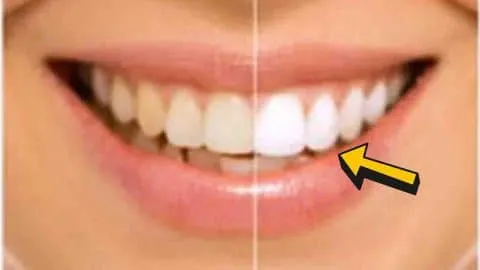
Understanding Teeth Whitening
A bright, white smile is often associated with health, youth, and attractiveness. Teeth whitening, or bleaching, is a popular cosmetic procedure designed to lighten the color of your teeth and remove stains. While professional treatments offer powerful results, many people opt for DIY teeth whitening methods for convenience and cost-effectiveness. Before embarking on any DIY approach, it’s crucial to understand the underlying principles of teeth discoloration and the various methods available, as well as the potential risks involved.
Causes of Tooth Discoloration
Tooth discoloration can stem from a variety of factors, both internal and external. Understanding these causes is essential to determine the best approach for teeth whitening. External stains affect the surface of the enamel, while internal stains originate within the tooth structure.
External Stains

External stains are often caused by lifestyle choices and dietary habits. Common culprits include coffee, tea, red wine, and tobacco products. These substances contain chromogens, which are pigment-producing substances that adhere to the tooth enamel and cause discoloration. Additionally, certain foods, such as berries and curries, can contribute to staining. Regular brushing and professional cleanings can help remove these surface stains.
Internal Stains
Internal stains originate within the tooth structure and are often more challenging to treat. These can be caused by factors such as aging, trauma to the tooth, excessive fluoride exposure during childhood, or certain medications, such as tetracycline antibiotics. Internal stains may require more intensive treatments, such as professional bleaching or other dental procedures.
DIY Teeth Whitening Methods
Several DIY teeth whitening methods have gained popularity, offering accessible and affordable options for brightening your smile. However, it’s important to note that the effectiveness of these methods can vary, and it’s crucial to exercise caution and follow instructions carefully to avoid potential harm. Some of the most popular DIY approaches include using baking soda and hydrogen peroxide, coconut oil pulling, and creating DIY whitening strips.
Baking Soda and Hydrogen Peroxide

Baking soda and hydrogen peroxide are two common household items often used in DIY teeth whitening. Baking soda acts as a mild abrasive, helping to remove surface stains, while hydrogen peroxide has a mild bleaching effect. This combination can be an effective and affordable way to enhance the brightness of your smile when used properly.
How to Use Baking Soda for Whitening
To use baking soda for teeth whitening, mix a small amount (about a teaspoon) with water to form a paste. Gently brush your teeth with the paste for about two minutes, then rinse thoroughly. It’s important to avoid brushing too vigorously, as this can damage the enamel. Use this method once or twice a week to avoid over-abrasion.
Hydrogen Peroxide Application
Hydrogen peroxide can be used as a mouthwash to help whiten teeth. Mix 3% hydrogen peroxide with an equal amount of water. Swish the solution in your mouth for about 30-60 seconds, then rinse thoroughly with water. Avoid swallowing the solution. Alternatively, you can dip your toothbrush in hydrogen peroxide and gently brush your teeth for a short time. Use this method sparingly, as overuse can cause sensitivity.
Coconut Oil Pulling

Coconut oil pulling is an ancient Ayurvedic practice that involves swishing coconut oil in your mouth to remove bacteria and toxins. While the scientific evidence supporting its teeth-whitening capabilities is limited, many users report a noticeable improvement in the brightness of their teeth and overall oral health.
Benefits of Coconut Oil
Coconut oil has antibacterial and anti-inflammatory properties, which can help reduce plaque and bacteria in the mouth. This can contribute to whiter teeth and fresher breath. Coconut oil pulling may also help improve gum health and reduce the risk of cavities.
How to Perform Oil Pulling
To perform oil pulling, take about a tablespoon of coconut oil (solid or liquid) and swish it around in your mouth for 15-20 minutes. Make sure the oil reaches all areas of your mouth, including between your teeth. After swishing, spit the oil into a trash can (not down the sink, as it can clog the pipes) and rinse your mouth with water. Brush your teeth as usual afterward.
DIY Whitening Strips

DIY whitening strips can be a cost-effective alternative to store-bought strips. You can create your own strips using simple materials like dental floss and hydrogen peroxide or a baking soda paste. While the results may not be as dramatic as professional treatments, these strips can help to gradually brighten your teeth.
Materials Needed
You’ll need dental floss or thin strips of paper, hydrogen peroxide (3%), and optionally a small amount of baking soda. Make sure the hydrogen peroxide is fresh. It is also a good idea to have a mirror and timer to keep track of the process.
Step-by-step guide
Cut the dental floss or paper into strips that are long enough to cover your teeth. Dip the strips into hydrogen peroxide. If using baking soda, create a paste with water. Apply the moistened strips to your teeth, ensuring they cover the front surfaces. Leave the strips on for about 10-15 minutes. Remove the strips and rinse your mouth thoroughly with water. Repeat this process a few times a week for best results.
Other Natural Whitening Agents

Besides the methods mentioned above, several other natural agents are believed to have teeth-whitening properties. These include activated charcoal, lemon juice, and certain fruits. However, the effectiveness and safety of these agents can vary, and it’s important to approach them with caution.
Activated Charcoal
Activated charcoal is a fine black powder made from various sources, such as coconut shells or wood. It’s known for its ability to absorb toxins and remove surface stains from teeth. Many people use activated charcoal to brush their teeth, hoping to achieve a whiter smile.
Using Activated Charcoal Safely
To use activated charcoal, wet your toothbrush and dip it into the powder. Brush your teeth gently for about two minutes, then rinse thoroughly with water. Be careful, as activated charcoal can stain clothing and surfaces. While activated charcoal can help remove surface stains, it may also be abrasive and potentially damage tooth enamel if used too frequently or with excessive force.
Lemon Juice and Baking Soda

Some people combine lemon juice and baking soda to create a teeth-whitening paste. However, this method is generally discouraged due to the high acidity of lemon juice, which can erode enamel and increase sensitivity. While it may temporarily whiten teeth, it can also cause long-term damage.
Risks and Precautions
While DIY teeth whitening methods can be tempting, it’s essential to be aware of the potential risks and take precautions to protect your oral health. Overusing these methods or using them incorrectly can lead to various problems, including sensitivity, enamel erosion, and even gum irritation.
Sensitivity and Irritation
Some DIY teeth whitening methods, such as those using hydrogen peroxide or lemon juice, can cause tooth sensitivity and gum irritation. If you experience any discomfort, stop using the method immediately and consult with a dentist. Sensitivity can manifest as sharp, shooting pains when consuming hot, cold, sweet, or acidic foods and drinks. Gum irritation can result in redness, swelling, and bleeding.
Enamel Erosion
Overusing abrasive substances like baking soda or harsh chemicals like lemon juice can erode the tooth enamel, making your teeth more vulnerable to decay and sensitivity. Enamel erosion is irreversible, so it’s essential to use these methods sparingly and follow the instructions carefully. Once the enamel is gone, it will not grow back.
Consulting a Dentist
Before trying any DIY teeth whitening method, it’s always best to consult with a dentist. They can assess your oral health, determine the cause of your tooth discoloration, and recommend the most appropriate and safe treatment options. Professional teeth whitening treatments offer the most effective and safest way to achieve a brighter smile, and your dentist can guide you through the process.
In conclusion, while DIY teeth whitening methods can offer a cost-effective way to improve your smile, it’s crucial to approach them with caution. Understanding the causes of tooth discoloration, the various DIY methods, and the potential risks is essential to protect your oral health. Always consult with a dentist before trying any new teeth-whitening treatment to ensure your safety and achieve the best possible results.