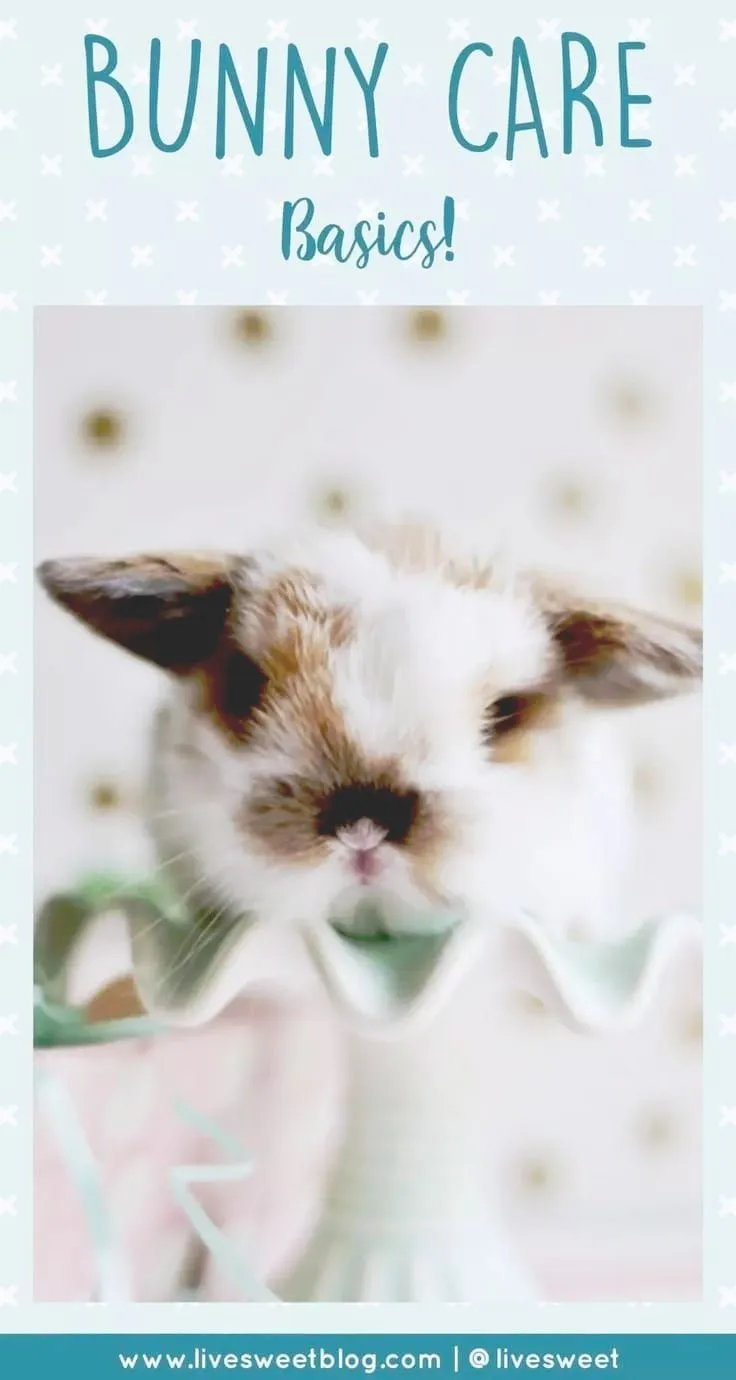
Understanding Bunny Care Needs
Bringing a bunny into your life is an exciting adventure, but it’s also a big responsibility. Bunnies, or rabbits, are not low-maintenance pets; they require specific care to thrive. Understanding their needs is the first step toward ensuring your bunny lives a long, healthy, and happy life. These needs go beyond just food and water; they encompass a suitable living environment, regular health checkups, mental stimulation, and plenty of love and attention. Bunnies are sensitive creatures, and their well-being depends on a holistic approach to care. They are social animals and can suffer from loneliness and boredom if their needs aren’t met. Failing to provide proper care can lead to stress, illness, and behavioral problems. Therefore, before you welcome a bunny into your home, it’s crucial to educate yourself on the specific requirements of these adorable creatures.
Choosing the Right Bunny Breed
The world of bunny breeds is wonderfully diverse, each with its own unique characteristics and needs. Researching different breeds will help you find the perfect match for your lifestyle and living situation. Some breeds are naturally more energetic and require extensive playtime, while others are more laid-back. Consider factors like size, grooming requirements, and temperament. For instance, smaller breeds like the Netherland Dwarf are popular, but can be more skittish. Larger breeds, such as the Flemish Giant, need more space. The Rex breed has a velvety coat that requires less grooming than some other long-haired breeds. It’s essential to observe the bunny’s personality when choosing a rabbit. A friendly, curious bunny is more likely to adapt well to a new home, whereas a shy or nervous bunny might take longer to adjust. Responsible breeders and rescue organizations are excellent resources for learning about different breeds and finding a bunny that suits you.
Housing Your Bunny

A safe and comfortable home is essential for your bunny’s well-being. Indoor or outdoor, the housing should provide protection from the elements, predators, and hazards. A large cage or hutch is ideal, allowing plenty of space to move around, hop, and stretch. The minimum cage size varies depending on the bunny’s size, but the general rule is to provide enough room for the bunny to fully stretch out, hop a few times, and easily access food and water. The flooring should be solid or covered with a non-toxic material like fleece or hay to prevent injuries. Avoid wire-bottom cages without a resting area, as they can harm a bunny’s delicate feet. The location of the hutch is also crucial, ensuring it is away from direct sunlight, drafts, and excessive noise. Regular cleaning of the hutch is essential, removing soiled bedding and food to maintain a healthy environment. A well-maintained home is a happy home for your bunny.
Inside Your Bunny’s Home
Inside the hutch or cage, create a comfortable and enriching environment. Provide a soft bed or resting area, such as a hay-filled box or a commercially available bunny bed. This gives your bunny a place to relax and sleep. Offer plenty of enrichment items to prevent boredom and encourage natural behaviors. These include chew toys, tunnels, and hiding places. Bunnies love to chew, so provide safe chew toys made of wood, cardboard, or untreated materials. Tunnels and hiding spots allow them to feel safe and secure, reducing stress and anxiety. Make sure the home is equipped with a litter box, food bowls, and water dispensers. Litter boxes should be easily accessible and cleaned daily. Provide fresh water daily in a heavy bowl or a sipper bottle. The goal is to make the inside of the hutch a stimulating and cozy space for your bunny, allowing them to feel safe, secure, and entertained.
Outside Your Bunny’s Home
Supervised playtime outside of the cage is crucial for your bunny’s physical and mental health. This can take place in a secure, bunny-proofed area, such as a dedicated playpen or a rabbit-safe room. Before allowing your bunny to roam free, ensure the area is free of hazards, such as electrical cords, toxic plants, and dangerous objects. Supervise playtime closely, watching for any signs of stress or discomfort. Provide interactive toys and enrichment items to keep your bunny entertained. Consider building an outdoor run for supervised outside time in a secure, enclosed area. This lets your bunny enjoy fresh air and natural surroundings. When outside, be mindful of extreme temperatures and provide shade and water to prevent overheating. Always supervise playtime outside of the cage to ensure their safety.
Feeding Your Bunny

A balanced diet is the cornerstone of a happy and healthy bunny. The primary component of your bunny’s diet should be high-quality hay, such as Timothy hay, which provides essential fiber for digestive health. Alfalfa hay is suitable for young bunnies but can be too rich for adults, leading to weight gain. Supplement the hay with a measured amount of fresh, leafy green vegetables daily. These vegetables provide vitamins, minerals, and additional fiber. Avoid feeding excessive amounts of fruits or sugary treats, as they can cause digestive upset and weight problems. Provide a small amount of high-quality, bunny-specific pellets. Always ensure fresh, clean water is available at all times, either in a water bottle or a heavy bowl to prevent spills.
Essential Foods for Bunnies
Understanding what foods are essential for bunnies will help you provide a balanced diet. Hay is the cornerstone, providing the fiber that bunnies need to digest properly. Timothy hay is the ideal choice for adult bunnies, while alfalfa hay is appropriate for young bunnies and pregnant or nursing does. Offer a variety of fresh, leafy green vegetables daily, such as romaine lettuce, kale, spinach, and parsley. Avoid iceberg lettuce, as it has minimal nutritional value. Fruits should be given sparingly as treats due to their high sugar content. Some safe fruits include small pieces of apple, banana, and berries. Avoid feeding your bunny any foods that are toxic to rabbits, such as chocolate, onions, and avocado. Always introduce new foods gradually and monitor for any digestive issues.
Water and Hydration
Clean, fresh water is essential for your bunny’s health. Rabbits need a constant supply of water for proper hydration and digestion. Provide water in a heavy ceramic bowl or a sipper bottle, or both. If using a bowl, make sure it’s heavy enough that your bunny cannot tip it over. Sipper bottles are also a good option, but check them regularly to ensure they are working correctly and haven’t become clogged. Change the water daily to keep it fresh and clean. During hot weather, your bunny might drink more water, so monitor their water intake and adjust the supply accordingly. Make sure the water is always accessible, especially if your bunny is eating a diet high in dry food like hay or pellets.
Grooming Your Bunny

Regular grooming is an essential part of bunny care, helping to keep your bunny clean, healthy, and comfortable. Grooming also provides a great opportunity to bond with your bunny and check for any potential health issues. The frequency of grooming depends on the breed; long-haired breeds require more frequent brushing to prevent mats and tangles. Use a soft brush designed for rabbits, and gently brush your bunny’s fur in the direction it grows. During shedding seasons, you may need to brush your bunny more frequently to remove loose fur. Grooming can also help you spot any skin problems, such as parasites or infections. Make grooming a positive experience by talking to your bunny in a soothing voice and offering treats as rewards. A well-groomed bunny is a happy bunny.
Nail Care
Regular nail trimming is crucial for your bunny’s comfort and health. Overgrown nails can make it difficult for your bunny to move around and can lead to injuries. You can use special rabbit nail clippers or small human nail clippers to trim your bunny’s nails. Hold your bunny gently and carefully clip the nails, avoiding the quick, which is the pink part of the nail containing blood vessels and nerves. If you accidentally clip the quick, the nail will bleed. Keep styptic powder or cornstarch on hand to stop the bleeding. If you’re not comfortable trimming your bunny’s nails, take them to a vet or groomer who is experienced with rabbits. Regular nail trims prevent pain, improve mobility, and prevent injuries.
Teeth Care
Bunnies’ teeth are constantly growing, so they need to wear them down through chewing. Providing plenty of hay and chew toys is essential for maintaining healthy teeth. Check your bunny’s teeth regularly for any signs of overgrowth, misalignment, or injury. Overgrown teeth can lead to serious health problems, preventing your bunny from eating properly. If you notice any issues with your bunny’s teeth, consult your vet immediately. They may need to file or trim your bunny’s teeth. Providing a diet rich in hay and offering safe chew toys will help to prevent dental problems. Regular dental checkups as part of your bunny’s overall health plan will keep them smiling.
Health and Wellness for Bunnies

Preventative healthcare is critical to keeping your bunny healthy and happy. Regular checkups with a veterinarian experienced in rabbit care are essential. These checkups allow your vet to identify and address any potential health issues early on. In addition to regular vet visits, it’s important to monitor your bunny for any signs of illness or discomfort. Common symptoms include changes in appetite, lethargy, changes in litter box habits, and unusual behavior. A balanced diet, a clean living environment, and plenty of exercise and enrichment contribute to your bunny’s overall well-being. Vaccinations are essential to protect your bunny from common diseases. The more you know about bunny health, the better equipped you are to provide the care they need.
Common Bunny Health Issues
Being aware of common bunny health issues allows you to act quickly if your bunny shows any signs of illness. Gastrointestinal stasis, a potentially life-threatening condition where the digestive system slows or stops, is a common problem. Symptoms include loss of appetite, decreased fecal production, and lethargy. Dental disease, as previously mentioned, is another common issue, with symptoms including drooling, difficulty eating, and weight loss. Respiratory infections, such as snuffles, can cause sneezing, runny nose, and eye discharge. Parasites, such as mites and fleas, can cause skin irritation and hair loss. If you notice any of these symptoms, contact your vet right away. Early detection and treatment are crucial for a successful recovery. Regular checkups will also help in detecting these conditions.
Finding a Vet
Finding a veterinarian experienced in rabbit care is essential for your bunny’s health and well-being. Not all vets are familiar with rabbit care, so it’s essential to find one who has experience and expertise in treating rabbits. Ask for recommendations from local rabbit rescue organizations or other bunny owners. Do some research to ensure the vet has a good reputation and is comfortable treating rabbits. During your first visit, discuss your bunny’s health history and any concerns you may have. Regular vet visits are crucial for preventative care, including vaccinations, dental checkups, and parasite prevention. A good vet will be a valuable resource for your bunny’s health, providing guidance and support as you care for your furry friend. Build a strong relationship with your vet, ensuring your bunny receives the best possible care.
Bunny Enrichment and Playtime

Bunnies are intelligent and curious creatures who need mental and physical stimulation to stay happy and healthy. Providing enrichment and playtime is essential for preventing boredom and promoting natural behaviors. A bored bunny can develop behavioral problems, such as chewing on inappropriate items, excessive digging, or even self-mutilation. Enrichment goes beyond just toys; it includes creating a stimulating environment with opportunities for foraging, exploring, and social interaction. Playtime should be a regular part of your bunny’s routine, allowing them to run, jump, and interact with their environment. Make time for play daily to create a happy, healthy bunny.
Toys and Activities
Offering a variety of toys and activities is key to keeping your bunny entertained and engaged. Provide safe chew toys made of wood, cardboard, or untreated materials. Bunnies love to chew, and these toys satisfy their natural chewing instincts and help keep their teeth healthy. Tunnels and hideaways offer a sense of security and encourage exploration. Rotate toys regularly to keep your bunny interested and prevent boredom. Puzzle toys that dispense treats or food are also a great way to provide mental stimulation. Supervised playtime outside of the cage allows your bunny to explore and interact with you. Always supervise playtime to ensure your bunny’s safety and prevent any potential hazards. Toys and activities contribute significantly to a happy and healthy bunny.
Bonding with Your Bunny
Building a strong bond with your bunny is one of the most rewarding aspects of bunny ownership. Bunnies are social animals, and they thrive on interaction and affection. Take the time to get to know your bunny’s personality and preferences. Some bunnies enjoy being petted, while others prefer to be left alone. Spend time with your bunny daily, talking to them in a soothing voice and offering gentle petting if they enjoy it. Hand-feeding treats can help build trust and strengthen your bond. Create a consistent routine and provide a safe and comfortable environment. Never force interaction or handle your bunny roughly. Patience, consistency, and positive reinforcement are key to building a strong and loving relationship. The closer your bond, the happier your bunny will be.
Understanding Bunny Behavior

Understanding bunny behavior is crucial for providing proper care and building a positive relationship with your pet. Bunnies communicate through a variety of behaviors, including body language, vocalizations, and scent marking. Learning to recognize these signals will help you understand your bunny’s needs and respond appropriately. For example, a bunny thumping its hind feet is often a sign of alarm or a warning. Nipping or biting can indicate fear, stress, or a need for more space. Pay attention to your bunny’s posture; a relaxed bunny will be stretched out and comfortable, while a tense bunny will be hunched and alert. Understanding the reason behind these behaviors will help you manage your bunny’s environment to minimize any stress or anxiety. By understanding their signals, you can provide better care and improve the relationship.
Caring for a bunny is a commitment that brings immense joy. By understanding their needs, providing a healthy environment, and building a strong bond, you can ensure your bunny lives a long, happy, and fulfilling life. With patience, love, and dedication, you can create a wonderful life with your furry companion.