Understanding Oral Hygiene Order
Oral hygiene is more than just a routine; it’s a crucial part of your overall health. The order you perform your oral hygiene tasks significantly impacts their effectiveness. Many people often wonder about the best sequence, particularly when integrating mouthwash into their routine. The common question is should you use whitening mouthwash before or after brushing? Understanding the correct order ensures you’re maximizing the benefits of each step, leading to a healthier and brighter smile. This guide delves into the optimal approach, explaining why the order matters and providing actionable tips to enhance your oral care.
The Importance of Brushing Your Teeth
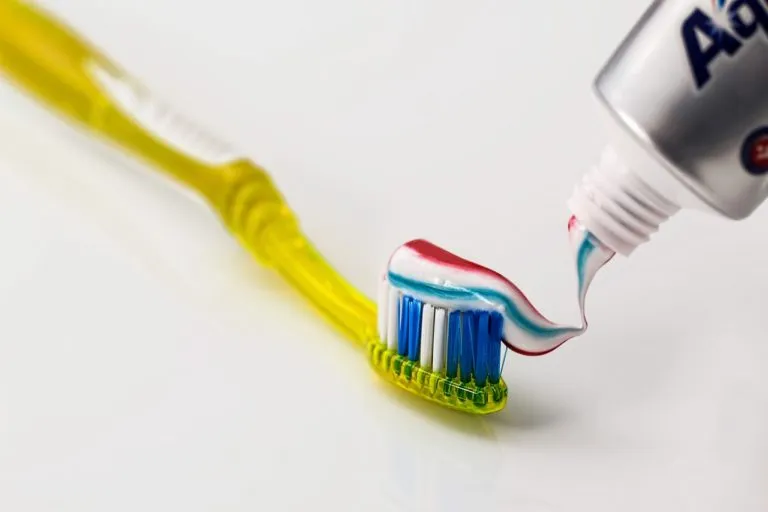
Brushing your teeth is the cornerstone of any good oral hygiene practice. It is the primary method for removing plaque, food particles, and bacteria that accumulate throughout the day. Plaque, a sticky film of bacteria, is the main culprit behind many dental issues, including cavities and gum disease. Effective brushing not only cleans your teeth but also stimulates your gums, promoting healthy circulation and reducing the risk of inflammation. A thorough brushing routine should last at least two minutes, covering all surfaces of your teeth, including the front, back, and chewing surfaces. It is best to use a soft-bristled toothbrush and fluoride toothpaste, as recommended by dental professionals, to ensure effective cleaning without damaging your enamel or gums. Prioritizing brushing ensures a healthy base for the rest of your oral care.
Why Brushing Is The Foundation For Cleanliness
Brushing acts as the first line of defense against oral health problems. Its primary function is to physically remove the buildup of plaque and food debris, preventing them from causing more serious issues. The act of brushing disrupts the bacterial colonies in plaque, reducing their ability to produce acids that erode tooth enamel. Furthermore, brushing helps to freshen your breath and remove surface stains, contributing to a cleaner and brighter smile. Regular and thorough brushing is not just about aesthetics; it’s about maintaining a healthy oral environment that supports overall well-being. By making brushing a non-negotiable part of your daily routine, you’re setting the stage for optimal oral hygiene.
How Brushing Removes Plaque and Debris
Brushing mechanically removes plaque and food particles from your teeth’s surfaces. The bristles of your toothbrush act like tiny scrubbers, dislodging the sticky film of plaque and any trapped debris. When done correctly, brushing can reach even the most difficult areas, such as the back molars and along the gumline. This action helps to prevent the formation of cavities and reduces the risk of gum disease. Using a fluoride toothpaste adds an extra layer of protection, as fluoride strengthens the enamel and makes it more resistant to acid attacks. It’s important to use the correct brushing technique, applying gentle pressure and using a circular motion to effectively clean each tooth. Careful brushing is the first step in a successful whitening mouthwash routine.
Whitening Mouthwash Benefits & Purpose
Whitening mouthwash serves a specific purpose in the oral hygiene routine, primarily focusing on enhancing the brightness of your teeth and providing additional antimicrobial benefits. These mouthwashes often contain ingredients like hydrogen peroxide or other bleaching agents that help to remove surface stains, giving your teeth a whiter appearance. In addition to whitening, many mouthwashes also contain ingredients that help to kill bacteria, reducing plaque buildup and freshening your breath. While brushing removes the physical debris, mouthwash can reach areas that brushing might miss and provides a more comprehensive cleaning, contributing to overall oral health. Whitening mouthwash isn’t just about aesthetics; it’s about providing an extra layer of protection for your teeth.
Whitening Mouthwash Main Ingredients

The key ingredients in whitening mouthwashes work to enhance their effectiveness. Hydrogen peroxide is a common component, acting as a bleaching agent to oxidize and remove stain molecules from the tooth surface. Other mouthwashes may contain carbamide peroxide, which breaks down into hydrogen peroxide. Many products also include fluoride, which strengthens the enamel and helps prevent cavities. Some formulations also contain antibacterial agents like cetylpyridinium chloride (CPC) or essential oils, which help to control plaque and gingivitis. Understanding the ingredients can help you choose a product that meets your specific needs and helps to achieve a brighter and healthier smile. Carefully review the labels to ensure the product aligns with your oral health goals.
Maximizing Whitening Mouthwash Effectiveness
To maximize the effectiveness of whitening mouthwash, it’s essential to use it correctly and at the right time. The goal is to provide the active ingredients with the best possible conditions to work without interference from other products. Proper use involves rinsing for the recommended time, usually 30-60 seconds, as directed on the product label. Making sure to swish the mouthwash thoroughly throughout your mouth, ensuring it reaches all surfaces of your teeth and gums. Consistency is key; using whitening mouthwash regularly, as part of your daily routine, will yield the best results. It’s also important to consider other habits, such as avoiding staining foods and drinks, and maintaining a good overall oral hygiene regimen.
The Optimal Whitening Mouthwash Routine
Brush First, Then Mouthwash

The most effective order for your oral hygiene routine is generally to brush your teeth first, followed by using whitening mouthwash. Brushing removes the surface debris and plaque, creating a clean surface. Using mouthwash afterward allows its active ingredients to directly contact the cleaned tooth surfaces. This sequence ensures that the whitening agents can penetrate the enamel more effectively, maximizing their impact. Additionally, rinsing with mouthwash after brushing helps to flush out any remaining debris and provides an extra layer of protection against bacteria and stains. This approach is supported by dental professionals and is proven to deliver superior results for whitening and overall oral health. Remember, consistency is key to achieving and maintaining a brighter, healthier smile.
Why This Order Works
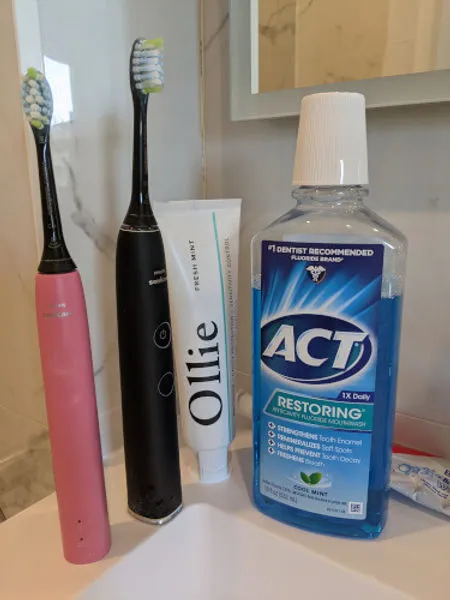
This order works because it optimizes the function of each product. Brushing removes a barrier of plaque and debris, allowing the mouthwash to fully access the tooth surface. If you use mouthwash first, it may wash away some of the fluoride from your toothpaste, reducing its effectiveness. By brushing first, you’re creating the best environment for the mouthwash to work. This method also ensures that the whitening agents in the mouthwash have direct contact with the teeth, boosting their whitening effect. This simple yet effective routine helps to achieve a cleaner, brighter, and healthier smile.
Best Practices Whitening Mouthwash
Several best practices can further enhance the effectiveness of your whitening mouthwash. Always follow the product’s instructions carefully, paying attention to the recommended rinsing time and frequency. Avoid eating or drinking for at least 30 minutes after using mouthwash to allow the active ingredients to work without interference. Be consistent with your routine, using the mouthwash daily for optimal results. Additionally, incorporate other good oral hygiene habits, such as flossing once a day, to maximize your results. By adhering to these practices, you’ll maximize the benefits of your whitening mouthwash and contribute to a brighter, healthier smile.
Choosing the Right Whitening Mouthwash

Selecting the right whitening mouthwash involves considering your specific needs and preferences. Look for products that contain effective whitening agents, such as hydrogen peroxide. Read reviews and consult with your dentist to find a brand and formula that suits your needs. Consider your sensitivity levels; some mouthwashes are stronger than others. If you have sensitive teeth, choose a gentler formula or consult with your dentist for recommendations. Finally, consider the taste and feel of the mouthwash, as you’re more likely to use it consistently if you enjoy it. By choosing the right product, you can ensure that you’re maximizing the benefits for a brighter and healthier smile.
Tips for Enhanced Oral Health
Beyond the optimal use of whitening mouthwash, several other tips can enhance your overall oral health. Floss daily to remove plaque and food particles from between your teeth, where your toothbrush can’t reach. Use a tongue scraper to remove bacteria and freshen your breath. Drink plenty of water throughout the day to keep your mouth hydrated and rinse away food particles. Limit your intake of sugary snacks and drinks, which contribute to tooth decay. Avoid tobacco products, as they can stain your teeth and harm your gums. By incorporating these simple tips into your daily routine, you can significantly improve your oral health and enjoy a brighter, healthier smile.
Common Mistakes to Avoid
Avoiding common mistakes is crucial for maintaining optimal oral health. One common mistake is not brushing long enough; ensure you brush for the recommended two minutes. Another mistake is using too much pressure when brushing, which can damage your gums and enamel. Overusing mouthwash can also be detrimental, as it can disrupt the natural balance of bacteria in your mouth. Not replacing your toothbrush regularly, every three months, is another oversight, as the bristles can become worn and less effective. Ignoring regular dental checkups can also lead to undetected problems that can escalate. Finally, neglecting flossing is a major mistake; this is an essential part of a comprehensive oral hygiene routine. By avoiding these mistakes, you can ensure a healthier, brighter smile.
Maintaining a Bright Smile

Maintaining a bright smile requires consistent effort and attention to detail. Practice the optimal oral hygiene routine regularly, brushing twice a day and using mouthwash after brushing. Avoid foods and drinks that can stain your teeth, such as coffee, tea, and red wine. If you consume these beverages, rinse your mouth with water afterward to minimize staining. Consider professional teeth whitening treatments for more dramatic results. Regular dental cleanings are also essential for removing plaque and tartar, which can dull your smile. By implementing these habits, you’ll be well on your way to maintaining a bright, confident smile.
Regular Dental Checkups
Regular dental checkups are vital for maintaining oral health and a bright smile. During these visits, your dentist will thoroughly examine your teeth and gums, looking for any signs of decay, gum disease, or other issues. They will also perform a professional cleaning to remove plaque and tartar buildup that you can’t remove at home. Early detection of any dental problems can prevent more serious issues down the line. Regular checkups also provide an opportunity to discuss any concerns you have, such as teeth whitening options or strategies for improving your oral hygiene routine. Dental professionals can also provide tailored advice to address your specific needs and maintain the health and appearance of your smile. Aim for checkups at least twice a year to ensure your mouth stays in top condition.