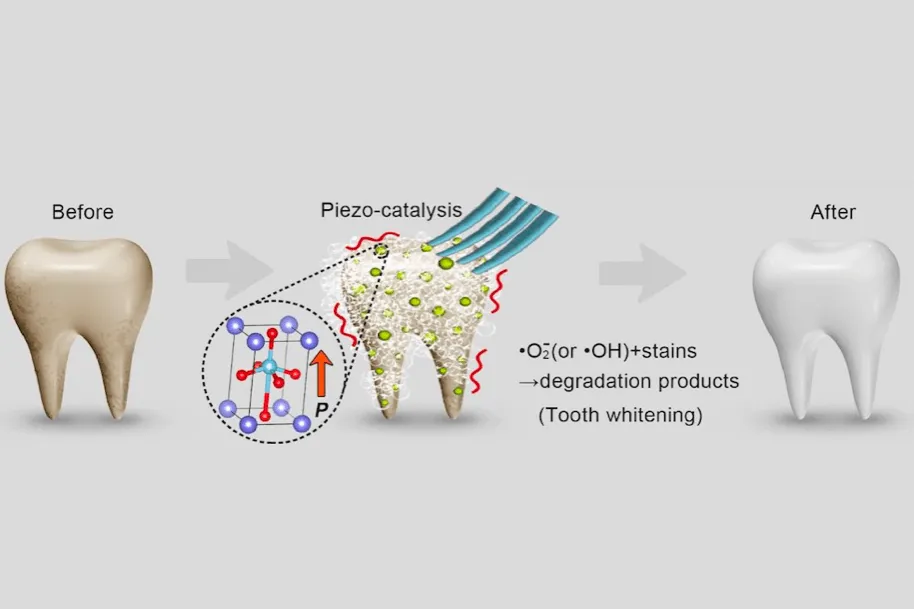
Understanding Thin Enamel and Teeth Whitening
Teeth whitening is a popular cosmetic procedure, but it’s essential to approach it cautiously if you have thin enamel. Thin enamel, the outer protective layer of your teeth, makes them more vulnerable to sensitivity and damage. Understanding the condition of your enamel before undergoing any whitening treatment is critical for both your oral health and the effectiveness of the treatment. This guide will delve into the best teeth whitening options tailored for individuals with thin enamel, ensuring you achieve a brighter smile without compromising your dental well-being. Proper evaluation of your dental condition before any teeth whitening treatment is essential to ensure it is safe for you.
What is Thin Enamel
Thin enamel refers to a condition where the outer protective layer of your teeth is thinner than average. Enamel is the hardest substance in the human body, but it can be worn down over time due to various factors. Its primary function is to protect the underlying dentin, which contains the nerves and blood vessels of your teeth. When enamel is thin, the dentin becomes more exposed, leading to increased sensitivity to hot, cold, and sweet foods and drinks. Thin enamel not only increases sensitivity but also makes your teeth more susceptible to decay and erosion.
Causes of Thin Enamel

Several factors contribute to the thinning of enamel. One of the most common is acid erosion, which can be caused by consuming acidic foods and beverages like citrus fruits, soda, and sports drinks. Gastroesophageal reflux disease (GERD) can also bring stomach acid into contact with your teeth, eroding the enamel. Additionally, teeth grinding (bruxism) can wear down enamel over time. Certain medical conditions, such as celiac disease, can also affect enamel development. Genetics play a role, too; some people are simply born with thinner enamel. Poor oral hygiene, including aggressive brushing and the use of abrasive toothpastes, can exacerbate enamel erosion. It’s important to understand the potential causes to take preventive measures and protect your enamel.
Risks of Teeth Whitening with Thin Enamel
Teeth whitening treatments, especially those containing strong bleaching agents like hydrogen peroxide or carbamide peroxide, can pose significant risks for individuals with thin enamel. These agents work by penetrating the enamel to break down stain molecules. However, if the enamel is thin, these chemicals can more easily reach the dentin, causing increased sensitivity and potential damage to the pulp (the soft tissue inside the tooth containing nerves and blood vessels). The result can be excruciating pain, increased tooth sensitivity, and even damage to the tooth’s nerve. Moreover, whitening agents can exacerbate existing sensitivity issues, making it difficult to enjoy hot or cold foods and drinks. Therefore, individuals with thin enamel must proceed with caution and explore gentler whitening options or alternatives.
Identifying If You Have Thin Enamel
Identifying whether you have thin enamel is crucial before considering any teeth whitening treatment. Several signs can indicate thin enamel. Increased tooth sensitivity to temperature changes (hot or cold foods and drinks) is a primary indicator. Your teeth might also appear more translucent, and the edges might seem slightly jagged or transparent. You might also notice increased staining or yellowing of your teeth, as the thinner enamel allows the underlying dentin to show through. It is always best to consult your dentist for a professional evaluation. They can perform a thorough examination and use tools to measure enamel thickness and identify any underlying dental issues. Professional evaluation is vital before starting any teeth whitening treatment.
Best Teeth Whitening Options for Thin Enamel

If you have thin enamel, you can still achieve a brighter smile, but you’ll need to choose whitening options that are gentle and less likely to cause sensitivity or damage. The best approach is to consult your dentist for personalized recommendations. Generally, treatments with lower concentrations of bleaching agents are preferred. The focus should be on options that minimize the risk of damaging your enamel. The dentist can help you determine the safest and most effective teeth whitening options for your specific situation.
Professional Teeth Whitening Options
Professional teeth whitening offers several advantages, including stronger whitening agents and expert supervision. However, for those with thin enamel, it’s crucial to inform your dentist about your condition. They can then tailor the treatment to minimize the risk of sensitivity and damage. Professional whitening treatments may involve lower concentrations of bleaching agents or alternative techniques to achieve the desired results. They will also be able to monitor the process and adjust it if you experience any discomfort. Your dentist can also apply a fluoride treatment to strengthen the enamel and reduce sensitivity.
In-Office Whitening Treatments
In-office whitening treatments are performed by a dentist and offer the most controlled environment. Your dentist can use higher concentrations of bleaching agents, but they will also take precautions to protect your gums and reduce sensitivity. They can also use desensitizing agents before and after the treatment to minimize discomfort. The treatment usually involves applying the whitening agent to your teeth and using a special light or laser to activate it, speeding up the whitening process. While these treatments can be effective, it is essential to communicate any sensitivity issues to your dentist immediately.
Custom Tray Whitening

Custom tray whitening involves your dentist creating custom-fitted trays that fit snugly over your teeth. You’ll receive a bleaching gel with a lower concentration of hydrogen peroxide or carbamide peroxide to use at home. The dentist will provide detailed instructions on how to apply the gel and wear the trays. Custom trays allow for more precise application of the whitening agent, minimizing contact with the gums and reducing sensitivity. This method offers a balance of effectiveness and safety, making it a suitable option for individuals with thin enamel. They will also monitor the process and give advice when necessary.
Over-the-Counter Whitening Products
Over-the-counter (OTC) whitening products, such as whitening toothpastes, strips, and gels, are readily available but may not be suitable for everyone with thin enamel. These products often contain lower concentrations of bleaching agents, making them less potent than professional treatments. However, they can still cause sensitivity or irritation if used improperly. Before using any OTC whitening product, consult your dentist. They can recommend products that are safe for your condition and provide advice on proper usage. Always follow the instructions carefully and stop using the product if you experience any discomfort.
Whitening Toothpastes for Thin Enamel
Whitening toothpastes often contain mild abrasives and polishing agents to remove surface stains. They are generally considered safe for people with thin enamel, as they don’t contain bleaching agents. However, some whitening toothpastes also contain low concentrations of peroxide. Check the ingredient list and consult your dentist for recommendations. Consider using a toothpaste specifically designed for sensitive teeth, as these usually contain ingredients that help reduce sensitivity. Be sure to brush gently to avoid further abrasion of your enamel. Choose a toothpaste with a low Relative Dentin Abrasivity (RDA) value.
Whitening Strips and Gels

Whitening strips and gels contain bleaching agents, typically hydrogen peroxide. The concentration of these agents in OTC products is generally lower than in professional treatments. However, they still pose a risk for individuals with thin enamel. The strips or gels may not fit your teeth perfectly, which can cause uneven whitening and increase the risk of the bleaching agent coming into contact with your gums. If you choose to use these products, opt for those with lower concentrations of hydrogen peroxide. Also, follow the instructions carefully and discontinue use if you experience any sensitivity or discomfort. Again, consult your dentist before using these products to ensure they are safe for you.
Teeth Whitening Alternatives
If traditional teeth whitening methods are not suitable, there are alternative treatments to improve the appearance of your smile. These alternatives do not involve bleaching agents and are gentler on the enamel. Discuss these options with your dentist to determine the best approach for your individual needs.
Dental Veneers
Dental veneers are thin shells, usually made of porcelain or composite resin, that are bonded to the front surface of your teeth. They can dramatically improve the appearance of your smile by covering up stains, chips, cracks, and gaps. Veneers are a good option if you have thin enamel because they don’t rely on bleaching agents. Instead, they provide a new, protective surface for your teeth. They are custom-made to match the color and shape of your natural teeth, resulting in a natural-looking and long-lasting smile. They require minimal enamel removal.
Teeth Bonding
Teeth bonding involves applying a tooth-colored composite resin to your teeth to repair chips, cracks, or discoloration. The resin is then shaped, hardened, and polished to match the surrounding teeth. Bonding is a minimally invasive procedure that doesn’t involve bleaching agents and is a good option if you have thin enamel. It is typically used for minor cosmetic issues. Bonding is a more affordable and quicker alternative to veneers, but it is not as durable. It may require touch-ups over time to maintain its appearance.
Important Considerations and Tips
Whether you choose teeth whitening or other alternatives, there are several things to keep in mind to protect your enamel and maintain a healthy smile. Proper oral hygiene, regular dental check-ups, and a healthy lifestyle are essential. The following considerations and tips will help you make informed choices about teeth whitening and maintain the health of your teeth and gums.
Consulting Your Dentist
The most crucial step is consulting your dentist before undertaking any teeth whitening treatment, especially if you have thin enamel. Your dentist can assess your oral health, determine the cause of your thin enamel, and recommend the safest and most effective whitening options. They can also provide personalized advice based on your specific needs. During your consultation, be prepared to discuss your dental history, any sensitivity issues, and your expectations for the whitening treatment. Your dentist can also provide you with advice on oral hygiene.
Maintaining Healthy Teeth and Gums

Maintaining healthy teeth and gums is essential for preventing further enamel erosion and ensuring the longevity of any whitening treatment. Brush your teeth twice a day with a soft-bristled toothbrush and a toothpaste designed for sensitive teeth. Use a fluoride toothpaste to strengthen your enamel. Floss daily to remove plaque and food particles from between your teeth. Avoid acidic foods and drinks that can erode enamel. If you consume acidic items, rinse your mouth with water afterward. Schedule regular dental check-ups and cleanings to detect and address any dental issues early on. Maintaining a healthy oral hygiene routine and making appropriate lifestyle choices will help protect your enamel and keep your smile bright and healthy. Consider using a straw for acidic beverages to minimize contact with your teeth.
Frequently Asked Questions About Teeth Whitening and Thin Enamel
Here are some frequently asked questions about teeth whitening and thin enamel:
- Can I whiten my teeth if I have thin enamel?
- What are the best teeth whitening options for thin enamel?
- Are over-the-counter whitening products safe for thin enamel?
- Can teeth whitening cause further enamel erosion?
- How can I tell if I have thin enamel?
- What are the alternatives to teeth whitening if I have thin enamel?
- How do I choose the right toothpaste for thin enamel?
- How can I protect my enamel after teeth whitening?
- How often should I get my teeth whitened?
- What are the signs of enamel erosion?