Understanding Teeth Discoloration
Teeth discoloration is a common cosmetic concern that affects people of all ages. Understanding the causes of discoloration is the first step in choosing the best teeth whitening method. Various factors contribute to changes in tooth color, leading to a less bright smile. These include dietary choices, lifestyle habits, and the natural aging process. Recognizing these factors empowers you to make informed decisions about your oral health and the methods you choose to brighten your smile. Discoloration can range from mild staining to more severe discoloration, affecting the overall appearance of your teeth and the confidence in your smile. Being aware of these causes will help in preventing and treating them effectively.
Causes of Teeth Staining
Teeth staining can be broadly categorized into extrinsic and intrinsic stains. Extrinsic stains affect the surface of the tooth, while intrinsic stains originate from within the tooth structure. Both types of stains can impact the appearance of your smile. A combination of factors, from dietary choices to oral hygiene habits, contribute to these stains. Knowledge of these causes helps in selecting the right teeth whitening method and implementing preventive measures to keep your teeth bright and healthy. Understanding these root causes enables you to create a more personalized and effective oral care routine. Awareness is key to effectively addressing discoloration issues and maintaining a radiant smile.
Extrinsic Stains

Extrinsic stains are those that affect the outer surface of your teeth, the enamel. These stains are often caused by pigments in food and drinks that adhere to the tooth’s surface. Common culprits include coffee, tea, red wine, and dark-colored sodas. Tobacco use is another significant contributor to extrinsic staining. These stains typically appear as surface-level discoloration and can often be addressed with professional cleaning or at-home whitening treatments. Consistent and proper oral hygiene, including regular brushing and flossing, is crucial to remove these stains before they set in. Avoiding or limiting the consumption of stain-causing substances can also significantly reduce the accumulation of extrinsic stains and keep your smile brighter. Regular dental check-ups are also essential.
Intrinsic Stains
Intrinsic stains originate from within the tooth structure, affecting the dentin, the layer beneath the enamel. These stains are often more difficult to treat than extrinsic stains. Causes can include aging, as the enamel thins over time, revealing the darker dentin underneath. Exposure to certain medications, such as tetracycline antibiotics during tooth development, can also lead to intrinsic staining. Excessive fluoride intake during childhood (fluorosis) is another factor. Some medical treatments, like chemotherapy, can also cause these stains. Treatment options for intrinsic stains may include more intensive professional whitening procedures, veneers, or other cosmetic dentistry solutions to restore the natural appearance of your teeth and confidence.
Professional Teeth Whitening Methods
Professional teeth whitening offers several advantages over at-home methods, especially when dealing with stubborn stains or deep discoloration. These methods are typically performed by a dentist in a controlled environment, ensuring both effectiveness and safety. Professional treatments use higher concentrations of whitening agents than those available over-the-counter. This allows for faster and more dramatic results. The dentist can also assess your oral health and customize the treatment to your specific needs. It minimizes the risk of side effects, such as tooth sensitivity. Professional whitening can be an excellent investment for achieving a significantly brighter and more confident smile. Choosing the best method depends on your individual needs and the dentist’s recommendation.
In-Office Whitening

In-office whitening is the most immediate way to whiten your teeth. This procedure typically involves the application of a high-concentration hydrogen peroxide gel to the teeth. This is often followed by the use of a special light or laser to accelerate the whitening process. The entire procedure can be completed in a single visit, making it a convenient option for those seeking quick results. The dentist carefully monitors the process, ensuring that the gums and soft tissues are protected throughout the treatment. In-office whitening is particularly effective for more severe cases of discoloration and can provide results that are several shades brighter than at-home methods.
How In-Office Whitening Works
The in-office whitening process begins with a thorough cleaning of the teeth to remove any plaque or surface stains. A protective barrier is then applied to the gums to prevent irritation from the whitening agent. The dentist then applies the high-concentration hydrogen peroxide gel to the teeth, ensuring even coverage. A special light or laser is used to activate the gel and accelerate the whitening process. The gel is typically left on the teeth for a specific duration, and the process may be repeated several times during the appointment. After the treatment, the dentist removes the gel and provides instructions for post-treatment care, including how to maintain your new, brighter smile.
Benefits of In-Office Whitening
In-office whitening provides several key benefits, making it a preferred choice for many. The primary advantage is the speed of results, with significant whitening achieved in just one session. The treatment is administered under professional supervision, ensuring both safety and effectiveness. The dentist can customize the treatment to your specific needs, adjusting the strength of the whitening agent and the duration of the procedure. In-office whitening is also ideal for individuals with sensitive teeth, as the dentist can take measures to minimize discomfort. Results are often more dramatic and longer-lasting compared to at-home methods. It is a convenient solution for those looking for a quick and effective way to brighten their smile.
At-Home Whitening Kits

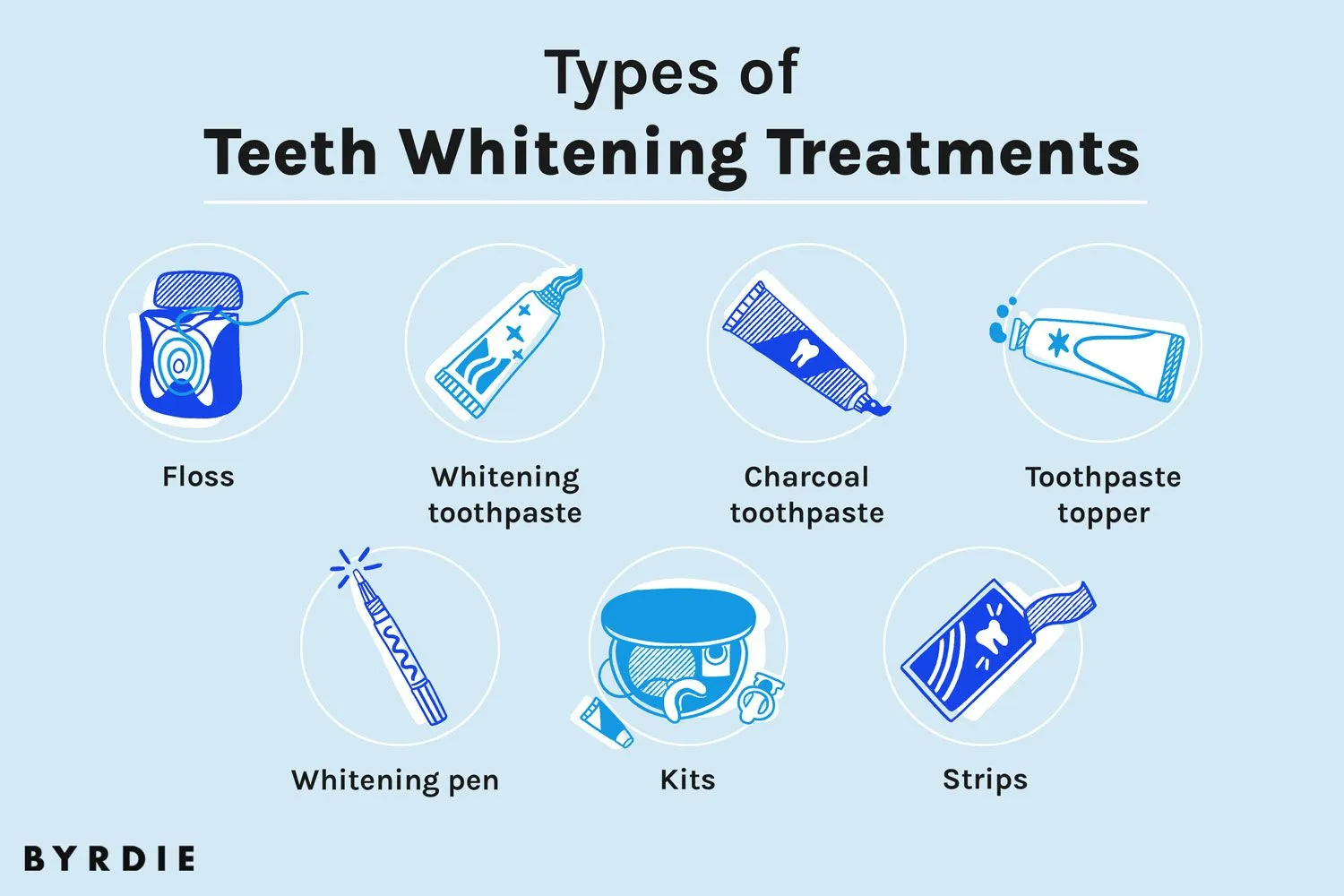
At-home whitening kits offer a convenient and cost-effective alternative to professional treatments. These kits typically contain whitening strips, trays, or toothpastes with lower concentrations of hydrogen peroxide or other whitening agents. The main advantage of at-home kits is their accessibility and affordability. They allow you to whiten your teeth in the comfort of your own home, at your own pace. While results may not be as dramatic or immediate as in-office treatments, at-home kits can still provide noticeable improvements in tooth color over time. It is important to follow the instructions carefully and consult your dentist before use to ensure that the product is suitable for your specific dental needs and to avoid potential side effects.
Whitening Toothpastes
Whitening toothpastes are the most accessible and affordable option for teeth whitening. They typically contain mild abrasives or chemical agents, like hydrogen peroxide, to remove surface stains. These toothpastes are designed to gently polish the teeth and remove extrinsic stains caused by foods and drinks. Whitening toothpastes cannot change the intrinsic color of your teeth but can help maintain brightness and prevent the build-up of new stains. While they provide a subtle whitening effect, they are best used in conjunction with other methods for more significant results. Consistent use is key to maximizing their effectiveness and keeping your smile looking its best. They are an excellent addition to your daily oral hygiene routine.
Effectiveness of Whitening Toothpastes
The effectiveness of whitening toothpastes varies depending on the ingredients and the type of stains. They are most effective at removing surface stains and preventing new ones from forming. Toothpastes with abrasive ingredients can help remove stains by physically polishing the teeth. Products containing hydrogen peroxide or other chemical agents can also help to lighten the tooth’s surface. However, whitening toothpastes are generally less effective at addressing deeper or intrinsic stains. For best results, choose a toothpaste with clinically proven whitening ingredients and use it consistently as part of your daily oral hygiene routine. Combining them with other whitening methods can further enhance your results.
Whitening Strips

Whitening strips are a popular at-home teeth whitening method due to their convenience and ease of use. These thin, flexible strips are coated with a peroxide-based whitening agent and are applied directly to the teeth. The strips conform to the shape of your teeth, ensuring that the whitening agent comes into contact with the entire surface. They are readily available over-the-counter and typically require only a short application time each day, making them easy to incorporate into your daily routine. Whitening strips can provide noticeable results within a few weeks of consistent use. It is important to follow the manufacturer’s instructions carefully to maximize effectiveness and minimize the risk of side effects, like tooth sensitivity.
How to Use Whitening Strips
Using whitening strips is relatively straightforward. First, brush and floss your teeth. Then, peel the strips from their backing. Apply the strips to your teeth, making sure to align them along the gum line. Gently press the strips onto the teeth, ensuring they make good contact. Leave the strips in place for the recommended time, usually 30 minutes to an hour, as indicated in the product instructions. After the specified time, remove the strips and discard them. Rinse your mouth with water to remove any remaining gel. It’s crucial to use the strips as directed and to avoid swallowing any of the whitening agent. Consistent use, as per the product instructions, will lead to the best results and a brighter smile.
Teeth Whitening Tips
Achieving and maintaining a bright, white smile requires a combination of effective teeth whitening methods and good oral hygiene practices. Understanding the various options available and knowing how to choose the right one for your needs are key steps. Consistent care is also necessary to ensure the longevity of your results. It is best to consult with your dentist to determine which method is most appropriate for your specific needs. Professional advice will guarantee both effective and safe results, protecting your teeth and gums. It is important to understand both the benefits and the potential downsides of each method before deciding. These factors help you in maintaining a healthy and radiant smile.
Choosing the Right Method

Choosing the best teeth whitening method depends on several factors, including the severity of your discoloration, your budget, and your personal preferences. If you have severe staining or desire quick results, professional in-office whitening may be the best option. For those looking for a more affordable and convenient approach, at-home whitening kits or whitening toothpastes can be effective. Consider your sensitivity to chemicals and follow product instructions carefully. Always consult with your dentist before starting any whitening treatment. They can assess your oral health, determine the cause of the discoloration, and recommend the most appropriate and safe method for your specific needs. This will also prevent any unexpected adverse effects.
Maintaining a White Smile
Maintaining your bright, white smile after whitening requires a proactive approach. Regular dental check-ups and cleanings are essential for removing surface stains and maintaining overall oral health. Continue to brush and floss your teeth regularly to remove plaque and prevent new stains from forming. Consider using a whitening toothpaste or mouthwash to help maintain your results. Avoiding or limiting the consumption of stain-causing foods and beverages is crucial. If you do consume these, rinse your mouth with water afterward. Consistent and proper oral hygiene practices, combined with periodic touch-up treatments, will help ensure your smile stays bright and beautiful for years to come. Proper care is as important as the initial treatment.
Foods and Drinks to Avoid
Certain foods and drinks can stain your teeth, undoing the effects of your whitening treatment. Minimizing or avoiding these items will help maintain your bright smile. Coffee, tea, and red wine are notorious for causing stains. Dark-colored sodas and fruit juices can also contribute to discoloration. Foods such as berries, soy sauce, and balsamic vinegar can also stain your teeth. Tobacco use is another major factor in teeth staining. If you consume these items, rinse your mouth with water immediately afterward or brush your teeth after each meal to reduce staining. Being mindful of what you eat and drink is crucial for maintaining your desired results.
Oral Hygiene Practices

Good oral hygiene is the cornerstone of maintaining a bright, white smile. Brushing your teeth at least twice a day with a fluoride toothpaste is essential. Flossing daily removes plaque and food particles from between your teeth, preventing stains and promoting gum health. Using an antimicrobial mouthwash can further reduce bacteria and prevent staining. Regular dental check-ups and professional cleanings are also crucial for removing plaque and tartar. These professional cleanings can also help remove surface stains that regular brushing and flossing may miss. Consistent and thorough oral hygiene practices, combined with regular dental visits, will keep your smile looking its best and your teeth healthy.