Understanding OTC Teeth Whitening
Achieving a brighter, more confident smile is easier than ever, thanks to the wide array of over-the-counter (OTC) teeth whitening products available today. These products offer a convenient and affordable alternative to professional treatments, allowing you to enhance your smile from the comfort of your home. However, with so many options on the market, it’s essential to understand how these products work and how to choose the best ones for your needs. This guide will explore the different types of OTC teeth whitening products, the key factors to consider when selecting them, and provide a detailed look at some of the top-rated products available.
How OTC Whitening Works
OTC teeth whitening products generally work by using bleaching agents to remove stains and discoloration from the surface of your teeth. The most common active ingredient in these products is hydrogen peroxide or carbamide peroxide. These peroxides break down into oxygen molecules, which penetrate the enamel and dentin to oxidize the stain molecules. This process makes the stains less visible, resulting in a brighter and whiter smile. The effectiveness of a product depends on the concentration of the bleaching agent, the application time, and how consistently you use the product. It’s important to follow the product instructions carefully to achieve the best results and minimize the risk of side effects.
Types of OTC Teeth Whitening Products

OTC teeth whitening products come in various forms, each offering a different method of application and level of convenience. Understanding the different types can help you choose the product that best suits your lifestyle and preferences. From whitening toothpastes that gently remove surface stains to more potent strips and gels, the choices are extensive. The effectiveness can vary, so it’s crucial to understand what each product offers and how it aligns with your whitening goals and sensitivity levels. Let’s explore each of these product types in detail.
Whitening Toothpastes
Whitening toothpastes are a common and readily available option for teeth whitening. They typically contain mild abrasives, such as silica or hydrated alumina, and sometimes low concentrations of hydrogen peroxide. These abrasives help remove surface stains caused by coffee, tea, and other foods and drinks. While whitening toothpastes can improve the appearance of your teeth, they are generally less effective than other whitening methods. They are more effective at removing existing stains than changing the inherent color of your teeth. Consistent use of a whitening toothpaste can contribute to a brighter smile, but significant results are typically not achieved with this method alone. See image: whitening-toothpaste.webp
Whitening Strips
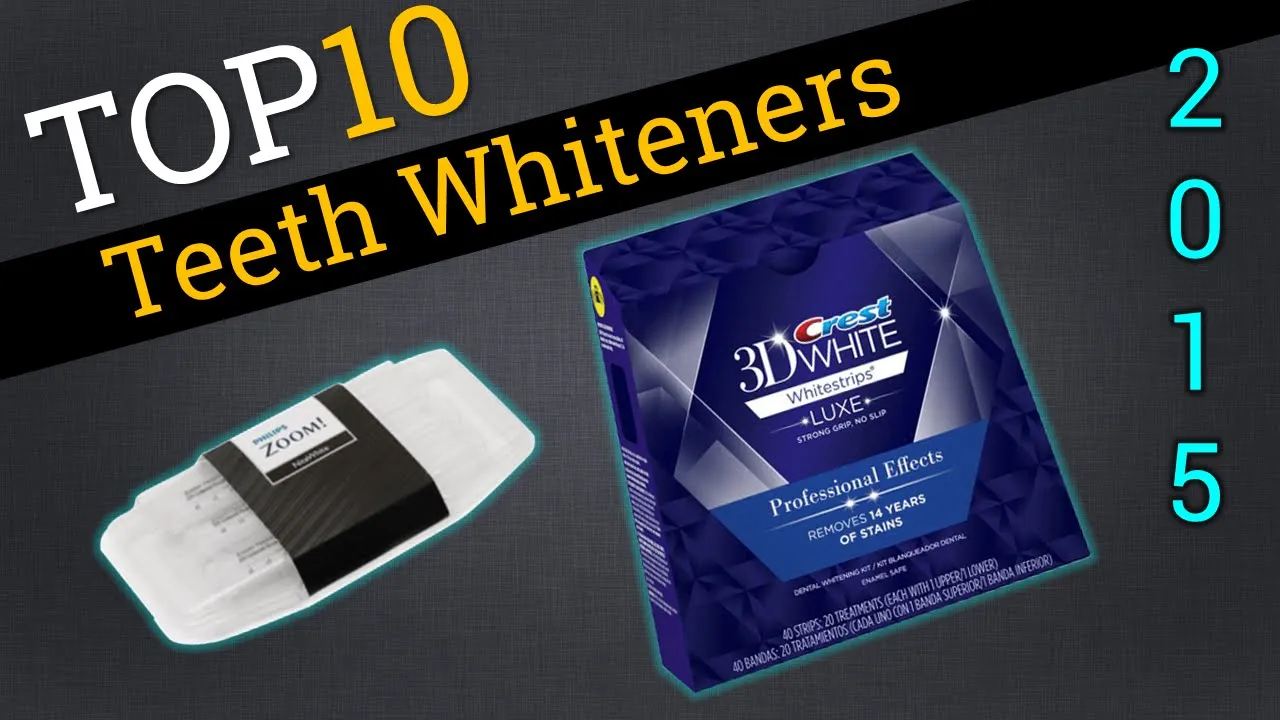
Whitening strips are thin, flexible strips coated with a whitening gel, typically containing hydrogen peroxide. They are applied directly to the teeth and are designed to be worn for a specific amount of time, usually 30 minutes to an hour, once or twice a day, for a period of several weeks. These strips are a popular choice because they are relatively easy to use and can provide noticeable results within a few weeks. The concentration of hydrogen peroxide in whitening strips is usually higher than in toothpastes, making them more effective at removing deeper stains. It’s important to follow the instructions carefully to avoid any potential gum irritation. See image: whitening-strips.webp
Whitening Gels and Trays

Whitening gels are applied to the teeth using custom-fitted or pre-formed trays. These gels usually contain a higher concentration of hydrogen peroxide or carbamide peroxide compared to strips. Custom trays provide a more precise fit, ensuring the gel comes into contact with the teeth more effectively. Pre-formed trays are also available for convenience. The duration of use varies depending on the product and the desired level of whitening, but it’s generally recommended to wear the trays for a specific amount of time each day over several weeks. Whitening gels can provide significant whitening results, but it’s important to follow the instructions to avoid gum sensitivity or irritation. See image: whitening-gels.webp
Whitening Rinses
Whitening rinses are mouthwashes that contain whitening agents, typically hydrogen peroxide. They are used for a short period, usually a minute or two, twice a day, after brushing and flossing. Whitening rinses can help remove surface stains and freshen breath, but they are generally less effective than other whitening methods, such as strips or gels. The concentration of hydrogen peroxide in rinses is usually lower, and the contact time with the teeth is limited. Consistent use can contribute to a brighter smile, but the results may be subtle. Whitening rinses can be a useful addition to your oral hygiene routine but shouldn’t be relied upon as the primary method for significant whitening.
Top 5 Best OTC Teeth Whitening Products
Choosing the best OTC teeth whitening products can be overwhelming with so many options available. To help you make an informed decision, we’ve compiled a list of the top 5 products based on effectiveness, ease of use, and user reviews. This selection includes a variety of product types to suit different needs and preferences. Each product has been carefully evaluated to ensure it delivers visible results and meets the standards of quality and safety. Please note that individual results may vary, and it’s always best to consult with a dentist before starting any new whitening treatment.
Product 1 Overview

Provide an overview of a specific product, highlighting its key features, ingredients, and how it works. This could be a popular brand of whitening strips. Discuss its ease of use, the expected results, and any potential drawbacks. Mention user reviews and overall rating, as well as its strengths and weaknesses.
Product 2 Overview
Detail another product, such as a whitening toothpaste, mentioning its unique selling points. Describe the ingredients, how it removes stains, and the benefits of regular use. Highlight any special formulations, such as those for sensitive teeth, and how it compares to other products in its category. Include any scientific backing for its effectiveness and its general customer feedback.
Product 3 Overview
Review a different product, like a whitening gel or tray system. Explain the application process, the concentration of the whitening agent, and how it is designed to be used. Discuss the results, the recommended usage duration, and any potential side effects. Mention user reviews, and customer experiences, as well as the level of whitening expected.
Product 4 Overview

Describe a fourth product, such as a whitening rinse, detailing its use and ingredients. Emphasize how it integrates into an existing oral hygiene routine. Address any potential benefits and limitations compared to other whitening products. Include user feedback, ease of use, and convenience aspects.
Product 5 Overview
Detail the fifth product, such as a combination kit or a product with a unique approach. Mention its specific features, ingredients, and how it is differentiated from other whitening solutions. Highlight its advantages and disadvantages based on customer feedback and provide an analysis of its effectiveness.
Factors to Consider When Choosing
Selecting the right OTC teeth whitening product requires careful consideration of several factors. Understanding these key considerations will help you choose a product that meets your specific needs and goals, while minimizing the risk of side effects. From assessing your teeth’s sensitivity to evaluating the ease of use, it’s crucial to evaluate your situation. This section covers some of the most critical factors to evaluate, including your teeth’s sensitivity, your desired level of whitening, and the convenience of use. See image: teeth-whitening-comparison.webp
Your Teeth’s Sensitivity

Tooth sensitivity is a common concern when it comes to teeth whitening. If you have sensitive teeth, you may experience discomfort or pain during the whitening process. Products containing lower concentrations of hydrogen peroxide or carbamide peroxide are generally less likely to cause sensitivity. Additionally, some products are formulated with ingredients like potassium nitrate, which helps reduce sensitivity. Consider using a toothpaste designed for sensitive teeth before, during, and after whitening to minimize any discomfort. If you experience severe sensitivity, it’s essential to consult with your dentist before continuing use. See image: sensitive-teeth.webp
Desired Level of Whitening
The level of whitening you desire will influence the type of product you choose. Whitening toothpastes can offer a slight improvement in brightness, while strips and gels typically provide more dramatic results. If you’re looking for significant whitening, you may need to opt for a product with a higher concentration of the active ingredient. Keep in mind that the more potent the product, the greater the potential for sensitivity. Consider your starting shade and the degree of whitening you want to achieve to determine the best product for your needs. Also, be realistic about your expectations; not all teeth will whiten to the same degree.
Ease of Use and Convenience
The ease of use and convenience of a teeth whitening product can significantly impact your ability to stick to the treatment. Some products require multiple applications per day, while others need to be worn for longer periods. Consider your daily routine and choose a product that fits seamlessly into your lifestyle. Strips are generally very easy to use, requiring just a few minutes of application time. Gels and trays may require more time to prepare and apply. Whitening toothpastes are the most convenient, as they integrate easily into your brushing routine. Choose a product that you will comfortably use to ensure consistent results.
Ingredients to Look For and Avoid

Understanding the ingredients in OTC teeth whitening products is crucial for making informed choices. Certain ingredients are essential for effective whitening, while others might be best avoided due to potential risks. Familiarize yourself with the most common active and inactive ingredients and their purpose. This knowledge enables you to select products that are effective, safe, and tailored to your oral health needs. Pay attention to concentrations and any potential allergic reactions or sensitivities. This knowledge will help you make informed choices for a brighter smile.
Look For Hydrogen peroxide or carbamide peroxide are the active ingredients responsible for whitening your teeth. They break down to release oxygen, which bleaches the stains. Fluoride is an essential mineral that strengthens enamel and helps prevent cavities. It is often added to whitening toothpastes to protect your teeth. Avoid Products with excessive abrasives. High levels of abrasives can damage enamel and increase tooth sensitivity. Sodium lauryl sulfate (SLS) is a foaming agent that can cause irritation in some individuals. Consider products without SLS if you have sensitivity issues.
How to Use OTC Whitening Products Safely
Using OTC teeth whitening products safely is crucial to achieve the best results while minimizing potential side effects. Always follow the product instructions carefully to avoid any adverse reactions. This section provides essential tips for safe and effective use. Adhering to these guidelines helps protect your oral health. It also enhances the success of your whitening treatment. Always prioritize your oral health and seek professional advice if necessary. Safety is paramount, so proper usage is critical.
Before starting any whitening treatment, consult with your dentist to ensure it’s safe for your teeth and gums. Follow the product instructions precisely, including the recommended application time and frequency. Overuse can lead to increased sensitivity and potential enamel damage. If you experience any sensitivity, stop using the product and consult with your dentist. Avoid using whitening products if you have cavities, gum disease, or other oral health issues. Brush your teeth gently to avoid further irritation. Use a soft-bristled toothbrush. Avoid consuming foods and drinks that can stain your teeth, such as coffee, tea, and red wine, during the whitening process. Maintain a healthy oral hygiene routine, including brushing, flossing, and regular dental check-ups, to maximize and maintain the results.
Potential Side Effects
While OTC teeth whitening products are generally safe, potential side effects can occur. Being aware of these possible issues will help you manage them effectively and know when to seek professional help. Common side effects include tooth sensitivity and gum irritation. More severe issues are rare, but understanding the risks enables you to take appropriate actions. Knowing these side effects ensures a smoother and safer whitening experience, allowing you to achieve a brighter smile with minimal issues. Monitoring your oral health is vital during the whitening process.
Tooth sensitivity is one of the most common side effects. You may experience temporary discomfort or pain when consuming hot or cold foods and drinks. Gum irritation can also occur. The bleaching agents can irritate gum tissue, causing redness, swelling, or soreness. In rare cases, prolonged or excessive use of whitening products can lead to enamel damage, making your teeth more vulnerable to decay. Always consult with your dentist to discuss any concerns or side effects you experience during the whitening process. If you experience any severe side effects, discontinue use and seek professional dental care immediately.
Tips for Maintaining a Bright Smile
Maintaining a bright smile after using OTC teeth whitening products requires a consistent oral hygiene routine and mindful habits. These tips will help you preserve your results and prevent future staining. Regular care and attention to your teeth will contribute to a lasting, radiant smile. Following these recommendations will ensure that your teeth stay bright and healthy. These steps will maximize the longevity of your whitening treatment. The strategies described help you keep your smile looking its best for years to come. See image: bright-smile.webp
Brush your teeth at least twice a day with a fluoride toothpaste. Floss daily to remove plaque and food particles from between your teeth. Limit or avoid foods and drinks that can stain your teeth, such as coffee, tea, red wine, and dark-colored berries. Use a straw when consuming staining beverages to minimize contact with your teeth. Consider using a whitening toothpaste or mouthwash as part of your daily routine. Schedule regular dental check-ups and cleanings to remove surface stains and monitor your oral health. Avoid smoking and chewing tobacco, as they can significantly stain your teeth. Consider professional teeth whitening treatments from your dentist for long-lasting results.