What is Baking Soda Teeth Whitening?
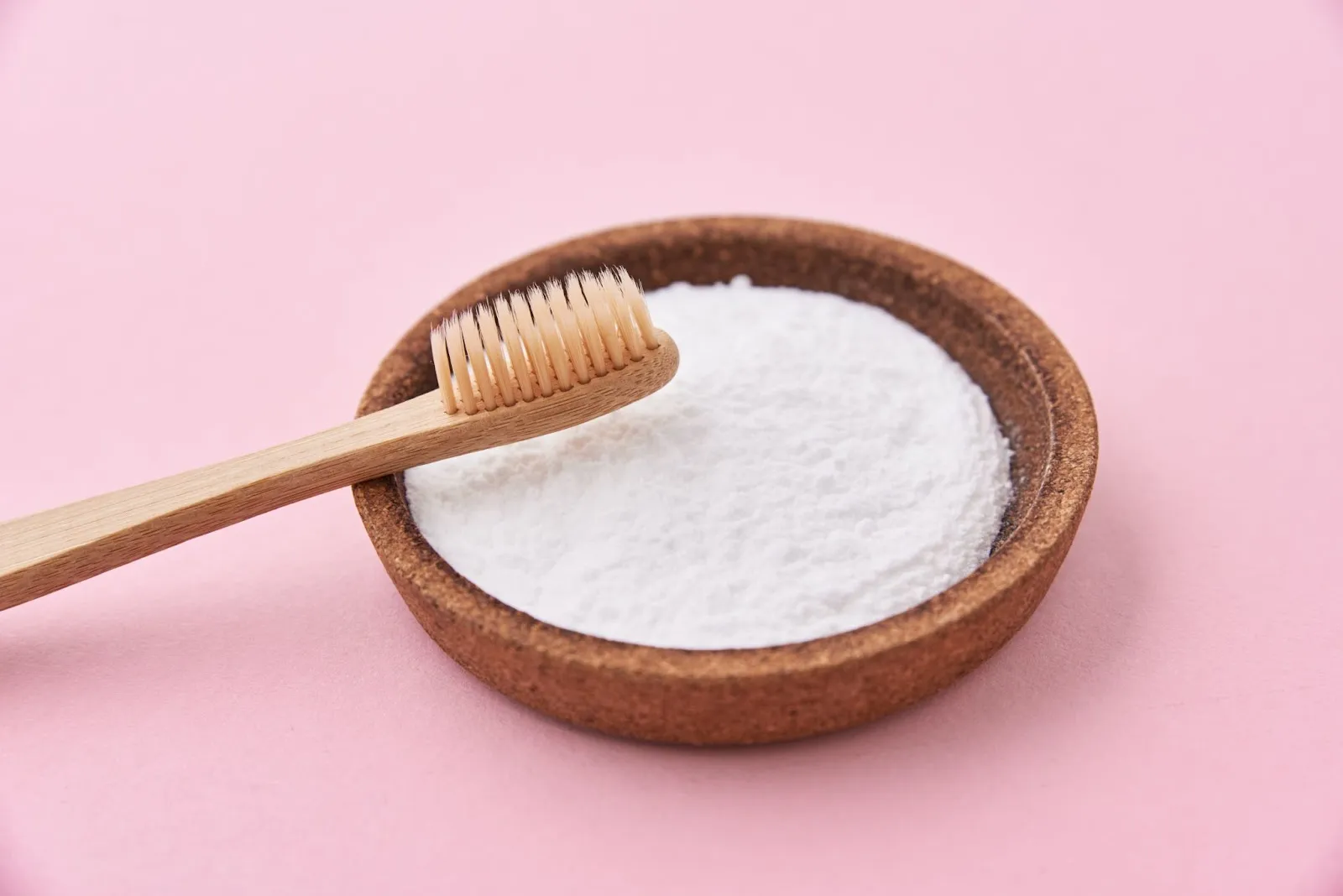
Baking soda, or sodium bicarbonate, is a common household ingredient with various uses, including teeth whitening. It’s a mild abrasive that can help remove surface stains from teeth, leading to a brighter smile. This method involves using baking soda to scrub the teeth, with the aim of polishing away discoloration caused by coffee, tea, tobacco, and other staining agents. While it’s a relatively inexpensive and accessible option, understanding its mechanisms and potential side effects is crucial before incorporating it into your oral hygiene routine. Many people are turning to natural methods to achieve a brighter smile, and baking soda has become a popular choice due to its availability and low cost. However, it’s important to approach this method with knowledge and caution.
How Baking Soda Works for Whitening Teeth
Baking soda whitens teeth primarily through its abrasive action. The small, slightly gritty particles of baking soda help to scrub away stains on the surface of the enamel. These stains are often caused by pigmented compounds that adhere to the tooth’s surface. When used in moderation, baking soda can effectively remove these stains, revealing the natural whiteness of the teeth underneath. The abrasive nature of baking soda is its key mechanism. However, this abrasive quality also raises concerns about potential damage to the enamel if used too frequently or aggressively. The effectiveness of baking soda also depends on the type and severity of stains; it works best on surface stains rather than deep-seated discoloration.
The Benefits of Baking Soda for Teeth Whitening

One of the primary benefits of using baking soda for teeth whitening is its accessibility and affordability. Unlike professional whitening treatments or expensive over-the-counter products, baking soda is readily available in almost every household and is extremely inexpensive. Another advantage is its ease of use; it can be incorporated into your existing oral hygiene routine with minimal changes. Beyond its whitening effects, baking soda can also help neutralize acids in the mouth, which can reduce the risk of tooth decay. It has a slightly alkaline pH, which can counter the acidic environment created by certain foods and drinks. Baking soda can also freshen breath, making it a versatile addition to oral care. However, these benefits should be weighed against potential risks.
Effective Baking Soda Whitening Methods
There are several ways to use baking soda for teeth whitening, the most common being mixing it with water to form a paste. The recommended method involves mixing a small amount of baking soda (about a teaspoon) with enough water to create a paste, and then gently brushing your teeth with this paste. It’s crucial to brush gently, using a soft-bristled toothbrush to avoid damaging the enamel. Another method involves adding a few drops of hydrogen peroxide to the baking soda paste for an enhanced whitening effect. This combination can create a stronger oxidizing action, which helps to break down stains. Some individuals also mix baking soda with their regular toothpaste to boost its cleaning power. However, it is important to use these methods sparingly and not as a daily practice to minimize potential side effects.
Baking Soda Whitening Recipe
Creating a simple baking soda whitening paste is straightforward. You’ll need baking soda, water, and a soft-bristled toothbrush. Start by adding about one teaspoon of baking soda to a small bowl. Gradually add water, a few drops at a time, mixing until you achieve a paste-like consistency. The paste should not be too watery or too thick; aim for a texture that will adhere to your toothbrush without dripping. Apply the paste to your toothbrush and brush your teeth gently for about two minutes, using circular motions. Rinse your mouth thoroughly with water after brushing. It is important to use this paste no more than once or twice a week to avoid any potential damage to your enamel. You can also add a drop of your favourite essential oil for flavour. After the application, you can rinse your mouth to avoid any side effects.
Baking Soda and Hydrogen Peroxide for Whitening

Combining baking soda with hydrogen peroxide is a popular method for enhancing teeth whitening. Hydrogen peroxide is a mild oxidizing agent that can help to bleach teeth, and when combined with baking soda, the abrasive action can help to remove stains and boost the whitening effect. To use this combination, mix a teaspoon of baking soda with a few teaspoons of hydrogen peroxide to create a paste. Brush your teeth with this mixture for about two minutes, then rinse thoroughly with water. It’s important to use a low concentration of hydrogen peroxide (3% is commonly used) to minimize the risk of gum irritation or enamel damage. This method can be more effective than using baking soda alone, but it should be used sparingly, perhaps once a week, to avoid potential adverse effects.
Baking Soda and Lemon for Whitening
The combination of baking soda and lemon juice is another home remedy used for teeth whitening. Lemon juice contains citric acid, a natural bleaching agent, which can help to lighten teeth. However, this method carries significant risks due to the high acidity of lemon juice. The acid can erode tooth enamel, making teeth more susceptible to decay and sensitivity. To use this method, you would mix baking soda with a small amount of lemon juice to create a paste, then apply it to your teeth. Due to the potential for enamel erosion, this method is generally not recommended by dental professionals. If you choose to try this method, use it very sparingly and rinse your mouth thoroughly with water afterward to neutralize the acid.
Risks and Side Effects of Baking Soda Whitening
While baking soda can effectively whiten teeth, it also carries potential risks. The primary concern is the abrasive nature of baking soda, which can erode the enamel over time if used too frequently or aggressively. Enamel erosion can lead to increased tooth sensitivity, making your teeth more vulnerable to cavities and other dental issues. Prolonged use can also irritate the gums, causing inflammation and discomfort. Some individuals may experience an unpleasant taste or a burning sensation when using baking soda. It’s crucial to use baking soda in moderation and to be mindful of any changes in tooth sensitivity or gum health. If you notice any adverse effects, discontinue use and consult your dentist.
Is Baking Soda Right for Your Teeth?

Deciding whether baking soda is right for your teeth depends on several factors, including your overall oral health, the sensitivity of your teeth, and your brushing habits. If you have sensitive teeth, enamel erosion, or gum issues, using baking soda may not be the best choice, as it could exacerbate these problems. If you have a history of dental problems, it’s crucial to consult your dentist before trying any teeth whitening method, including baking soda. For individuals with relatively healthy teeth and no pre-existing conditions, using baking soda occasionally (once or twice a week) may be acceptable. However, it’s essential to monitor your teeth for any signs of increased sensitivity or other adverse effects. Regular dental check-ups are essential to ensure that your teeth remain healthy.
Alternatives to Baking Soda for Whitening
If you’re looking for alternatives to baking soda for teeth whitening, there are several options available. Over-the-counter whitening toothpastes often contain mild abrasives and bleaching agents that can help to remove surface stains. Whitening strips are another popular choice; they contain a peroxide-based bleaching agent that can lighten teeth over time. For more dramatic results, you can consider professional teeth whitening treatments performed by a dentist, such as in-office bleaching or custom-fitted whitening trays. These professional options are generally more effective and safer than home remedies because they are performed under the supervision of a dental professional. Maintaining good oral hygiene, including regular brushing, flossing, and professional cleanings, is also crucial for keeping your teeth bright and healthy.
Maintaining a Bright Smile After Whitening
Once you’ve achieved a brighter smile, maintaining it requires a combination of good oral hygiene practices and lifestyle choices. Regular brushing (twice a day) and flossing (once a day) are fundamental to removing plaque and preventing stains. Consider using a whitening toothpaste to help maintain the brightness of your teeth. Limiting your intake of staining foods and drinks, such as coffee, tea, red wine, and berries, can also help. If you do consume these items, brushing your teeth soon afterward can minimize staining. Regular dental check-ups and professional cleanings are essential for removing any surface stains and ensuring your teeth remain healthy and bright. Avoid smoking, as it is a major cause of tooth discoloration. A consistent approach to oral care will help keep your smile looking its best.